

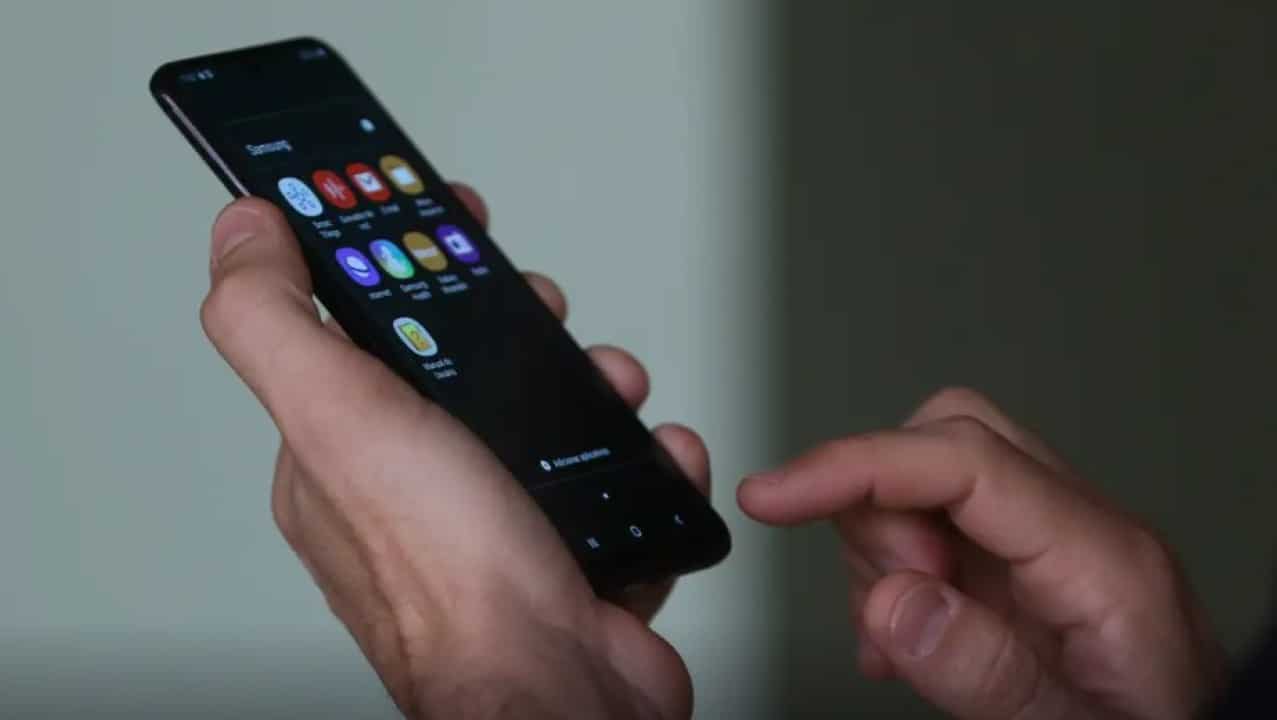
OpenAI is developing its first smartphone, scheduled to launch in 2028. The device will replace the traditional application experience with an interface based on artificial intelligence agents that automatically perform tasks for the user, according to analyst Ming-Chi Kuo. The strategy marks a radical change in the way smartphones currently work.
AI agent-based mobile phone Funcionamento
Analyst Ming-Chi Kuo described that users are no longer looking to navigate through multiple applications to resolve issues. Eles simply want to perform tasks and satisfy needs directly. The concept presented by Kuo shows a “Tarefas Flow from Agente” that displays ongoing operations performed by the AI system in the background.

Functions demonstrated include:
- Reservar flights automatically
- Compilar and summarize data
- Redigir replies to emails
- Organizar family events
- Monitorar status of insurance policy renewals
The device would function as a physical artificial intelligence assistant, eliminating the need for the user to interact directly with individual applications for each task. Essa approach significantly reduces time spent navigating traditional menus and interfaces.
Críticas to the replacement of human experience
Especialistas raise concerns about this AI-centric approach. Transforming a smartphone into a pure AI agent completely eliminates the human element from the user experience. A cell phone built exclusively to perform automated tasks leaves aside the dimension of the user’s personal choice.
Muitos argue that applications and services need to be redesigned not only to interact with AI agents, but also to prioritize the human experience. The phone must balance intelligent automation with user control and customization. Delegar all the functions of an AI agent, without the possibility of manual interference, reduces the smartphone to a black box of algorithmic decisions. The central question is: who truly controls the device? The user or the AI agent?
Reação Industry and Future Prospects
Reaction to the announcement has been divided. Entusiastas of technology, mainly present on social networks, supports a future where smartphones function as physical artificial intelligence agents. Contrariamente, other segments require devices that keep the traditional experience intact, with applications and human interfaces as a priority.
Existe potential for a middle ground that combines intelligent automation with human agency. Porém, this solution depends on the priorities of the technology companies involved. Atualmente, large corporations focus almost exclusively on AI development, with little attention to other aspects of the user experience. Esse imbalance raises questions about how OpenAI’s first smartphone will be built.
Mobile Innovation Contexto
The smartphone industry is in transition. Fabricantes as Nothing, led by CEO Carl Pei, discuss how services and applications should be redesigned to work with AI agents. Essas conversations reflect a broader shift in computing, where intelligent automation becomes central.
OpenAI’s announcement accelerates this transformation. By announcing a completely new device, the company signals that the traditional smartphone may be approaching the end of its current life cycle. The next few years will define whether users will accept this radical change or whether they will demand a greater balance between automation and human control. The 2028 date provides time for the market to debate these issues before the actual launch.