HyperOS 4 system update brings translucent design and advanced device integration
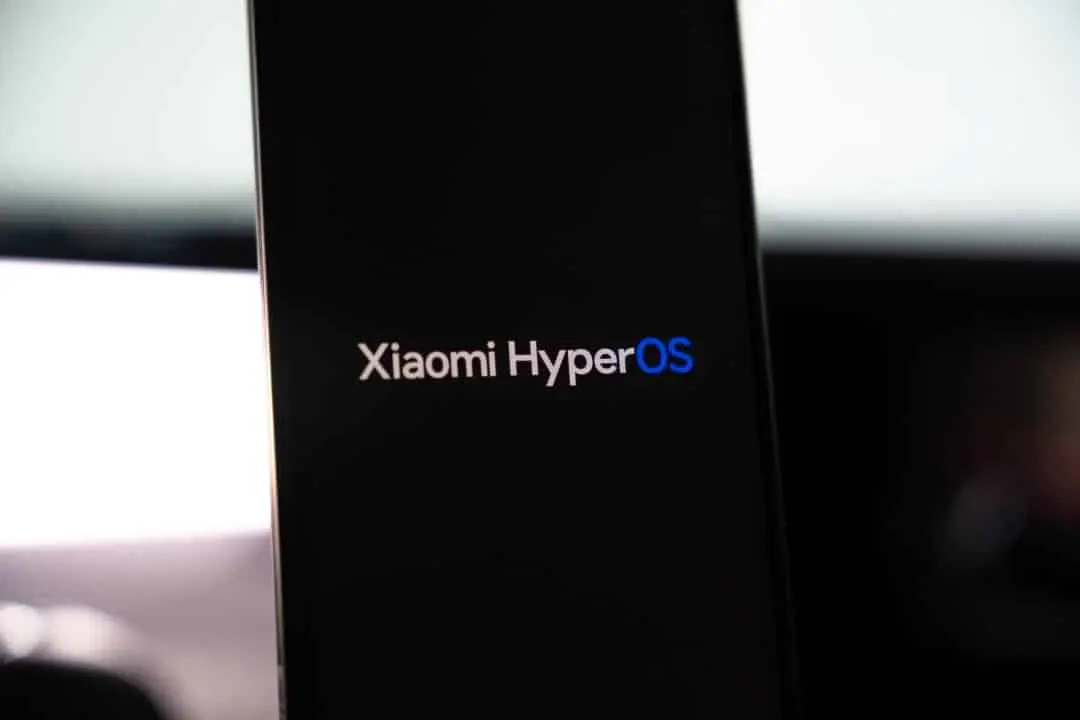
Chinese manufacturer Xiaomi revealed the visual specifications of HyperOS 4. The new version of the operating system modifies the interface of the brand’s devices. The focus of the update lies on the aesthetic concept called liquid glass. Essa approach combines minimalist elements with transparency to change everyday navigation. The company seeks to deliver a cleaner digital environment to consumers.
The structural change abandons the traditional solid blocks of color present in previous generations. The software now uses overlapping layers that generate a perception of depth on the screen. Elementos secondary applications remain partially visible in the background while using primary applications. Essa technique requires greater graphics processing capacity from devices. Visual integration covers the company’s entire ecosystem of connected products.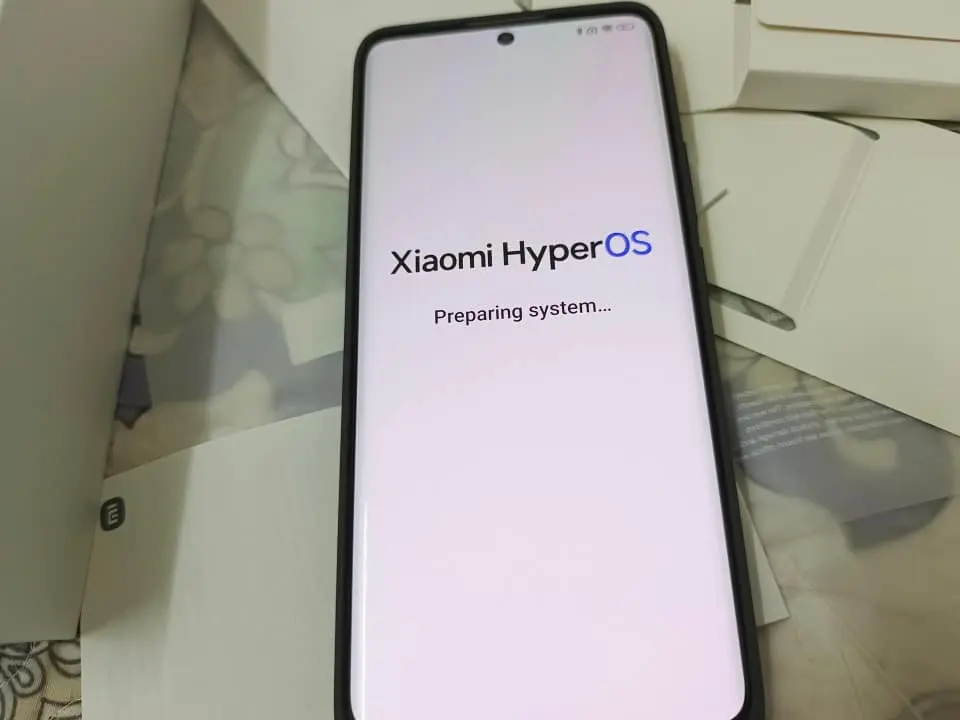
Nova visual identity based on depth and transparency
Applying the translucent effect changes the hierarchy of information displayed in the panels. The system calculates the opacity of each window in real time. Isso allows the user to maintain the visual context of the previous application when opening drop-down menus or notification centers. The software engineering team calibrated the blur levels to avoid visual pollution. Telas with OLED technology directly benefit from this dynamic contrast.
Native icons and home screen widgets have undergone a complete redesign. The color palette adopted more neutral tones to ensure the readability of fonts against transparent backgrounds. Contrast works effectively in different ambient lighting scenarios. Usuários can quickly identify tools and shortcuts even in low-light locations. Graphical standardization extends to native clock, weather and settings applications.
More on this story: Xiaomi releases initial list of phones compatible with HyperOS 4 beta
Developing this interface required months of usability testing with focus groups. The transition from a flat design to a simulated three-dimensional model represents the brand’s biggest aesthetic leap in recent years. The interface automatically adapts to dark mode. Liquid glass textures darken proportionally to protect the user’s vision at night.
Desempenho system and hardware adaptation
The fluidity of animations became a technical priority to support the new graphical load. HyperOS 4 operates unified across smartphones, tablets and smart home devices. The code architecture has been rewritten to reduce the response time to screen touches. Consumidores experience a seamless transition when switching usage between a phone and a tablet of the same brand. The ecosystem synchronizes visual preferences instantly via the cloud.
The operating system evaluates the computing power of the device before applying full visual effects. High-performance Processadores renders all layers of transparency and dynamic blur at high frames per second rate. Aparelhos input or intermediates receive an adapted version of the interface. The software automatically disables complex animations on less powerful hardware. Essa scalability ensures that older phones maintain operational stability.
RAM management has been given specific instructions to deal with semi-transparent textures. The system reserves a dedicated portion of memory just for the graphical interface. Aplicativos in the background are suspended more aggressively to free up resources for the main screen. The vibration motor’s haptic feedback acts in sync with the visual animations.
Diretrizes development for the ecosystem
Acceptance of the new visual standard depends directly on the community of software creators. Xiaomi has published a set of design rules to guide partner developers. The technical documentation details how to implement translucent textures in third-party applications. The inconsistency between native and downloaded programs creates disruptions in the user experience.
- Menus and control panels must implement semi-transparent textures standardized by the system interface.
- Aplicações partners receive code libraries to quickly adapt visual aesthetics.
- Support covers different screen sizes and pixel densities across multiple devices.
- Integration requires fluid communication between connected smartphones, tablets and smart watches.
- The system offers customization options for users who want to return to classic themes.
The company’s engineers created automated tools to facilitate this graphical transition. Estúdios developers can test the behavior of their applications on HyperOS 4 virtual emulators. The brand’s official application store will highlight software that adopts the new visual guidelines. Essa strategy encourages rapid updating of the third-party ecosystem.
See Also
Learn more: Xiaomi: HyperOS 4 and Android 17 arrive in beta; see list of models
Gerenciamento power and graphics optimization
Continuous rendering of overlapping layers poses a direct challenge to battery consumption. The graphics processing unit works constantly to calculate the blur behind active windows. Essa’s energy demand required the creation of containment algorithms. The operating system monitors the device’s temperature in real time. Efeitos superfluous visuals are paused immediately if the device experiences abnormal heating.
Source code optimization has reduced the electrical impact of transition animations. The software adjusts the screen refresh rate based on the content displayed. Reading static text reduces the display frequency to save energy. Scrolling web pages reactivates maximum frame capacity instantly. Esse dynamic management compensates for the extra expense generated by the liquid glass design.
Battery saving mode changes the behavior of the interface drastically. Enabling this feature turns off all transparencies and converts panels to dark solid colors. The processor reduces operating speed to prioritize autonomy. Usuários maintains access to essential phone functions for additional hours. Fast charging restores the original visual settings as soon as the device reaches a safe power level.
Estratégia distribution and update schedule
The aesthetic redesign is part of the company’s plan to consolidate its presence in the premium device market. The sophisticated visual language attracts consumers who are demanding when it comes to software design. The manufacturer positions HyperOS 4 as a competitive differentiator against other technology companies. Investment in research and development reflects the search for its own, globally recognizable identity.
The distribution of the update package will follow a fragmented schedule by product categories. Next-generation Smartphones form the first group to receive the full operating system. Modelos intermediaries enter the second phase of implementation after collecting stability data. Incoming Aparelhos wait for hardware optimization tests to end. Essa cautious approach avoids mass failures that could compromise the functioning of the phones.
On the same topic: Discover the 30 artificial intelligence tools coming to the iPhone with iOS 27
The company performs rigorous regional checks before releasing internet downloads. Servidores sites distribute software gradually to avoid network congestion. Usuários of previous generations receive notifications about the compatibility of their devices months before the update. The technical support team monitors official forums to identify glitches reported by early testers. The global transition process should take several months to reach the entire active customer base.