Xiaomi: HyperOS 4 and Android 17 arrive in beta; see list of models
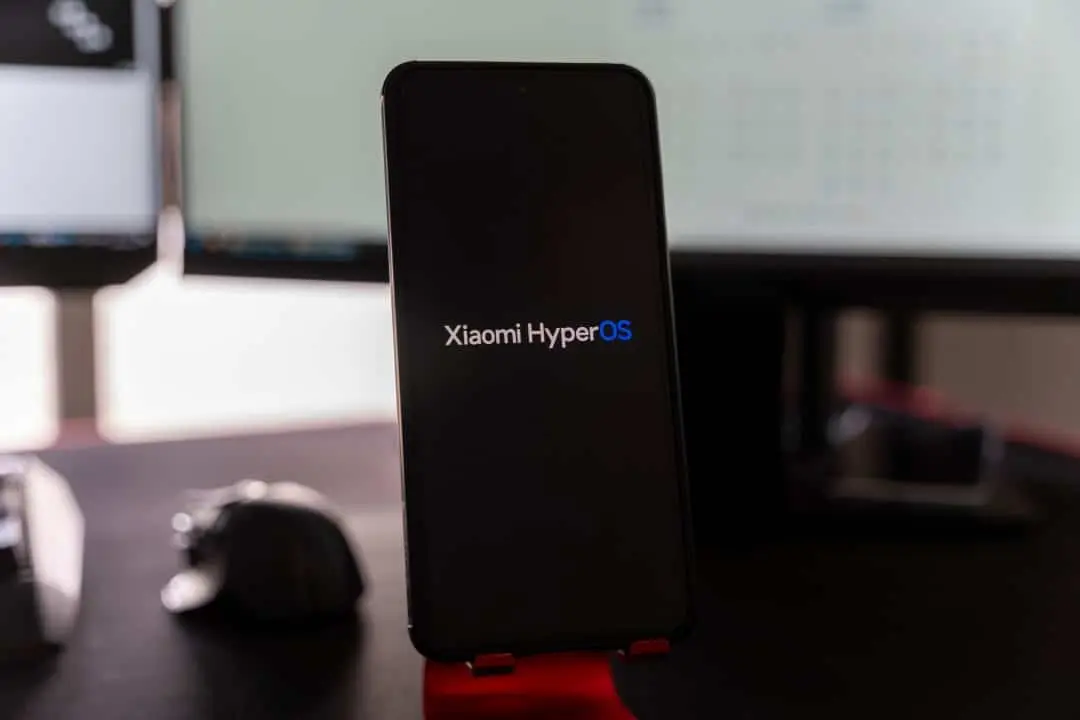
Xiaomi started the beta program for its new interface, HyperOS 4, which is now based on Android 17. The announcement took place on Thursday, August 13, 2026, revealing the brand’s first devices that will have access to the test version of the updated operating system. Initially restricted to the Chinese market, this launch marks an important step in the company’s strategy to renew its users’ experience with more modern and fluid software.
The transition to HyperOS 4 and the new Android 17
HyperOS 4 represents a significant evolution compared to the old MIUI interface, which accompanied Xiaomi smartphones for many years. With the move to Android 17 as a base, Xiaomi seeks to offer a more integrated and optimized experience, unifying devices within its ecosystem. This update aims to not only improve performance, but also introduce new features and a renewed design, promising a more intuitive and pleasant interaction for users. The adoption of a new Android base generally brings improvements in security, privacy and energy efficiency, crucial aspects for the daily usability of devices.
Xiaomi devices included in the first beta phase
In this initial stage of the beta program, Xiaomi has focused on some of its latest and most powerful models, including both smartphones and tablets. The full list of devices eligible for the testing update in China is as follows:
Learn more: Xiaomi HyperOS 4.0 with Android 17: list of eligible cell phones gets update
- Xiaomi 17 Ultra
- Xiaomi 17 Ultra Leica Edition
- Xiaomi 17 Pro Max
- Xiaomi 17 Pro
- Xiaomi 17
- Redmi K90 Pro Max
- Redmi K90 Pro Max Champion Edition
- Redmi K90
- Xiaomi Pad 8 Pro
- Xiaomi Pad 8
The expectation is that, after this initial phase, Xiaomi will expand availability to other models and regions, depending on the feedback and stability of the test version.
Discover HyperOS 4’s Liquid Glass design
One of the great highlights of HyperOS 4 is the introduction of the design called Liquid Glass. This concept aims to provide a more sophisticated visual aesthetic and more organic navigation for the user. The interface surfaces are designed to be more fluid, incorporating transparencies with a satin glass effect that adds depth and dynamism. The new animations were designed to be more responsive and smooth, creating a feeling of lightness and modernity in each interaction. This translates into smoother transitions between apps and an overall feeling of greater polish on the system.
See Also


Upcoming release waves and international beta access
Xiaomi has already released a schedule for the next update phases of HyperOS 4 in its beta version. The second wave of updates is scheduled to take place on August 27, 2026, followed by the third phase, which will begin on September 17, 2026. To participate in the testing program, users must integrate through the Xiaomi Community app.
On the same topic: Xiaomi HyperOS 4.0 arrives with Android 17 on several branded and Redmi cell phones
Although the beta program is currently restricted to China, the test version of HyperOS 4 is expected to be available on the international market within approximately three weeks of the initial launch. Users outside of China who want to try the new features should pay attention to official announcements from Xiaomi and check the Community app for information about the global release. The gradual launch process aims to guarantee the quality and adaptation of the system to different markets.
How users can prepare for the update
With the imminent arrival of HyperOS 4, Xiaomi device users can start preparing for the update. It is advisable to back up important data and ensure that the device has enough storage space for installation. For those not on the initial Chinese beta list, monitoring Xiaomi news and the official community forums will be crucial to know when and how the update will reach your specific models and regions. The company usually provides detailed support and information about compatibility and the installation process to ease its users’ transition to the new version of the operating system.