Apple develops camera system with variable aperture to equip the future iPhone 18 Pro
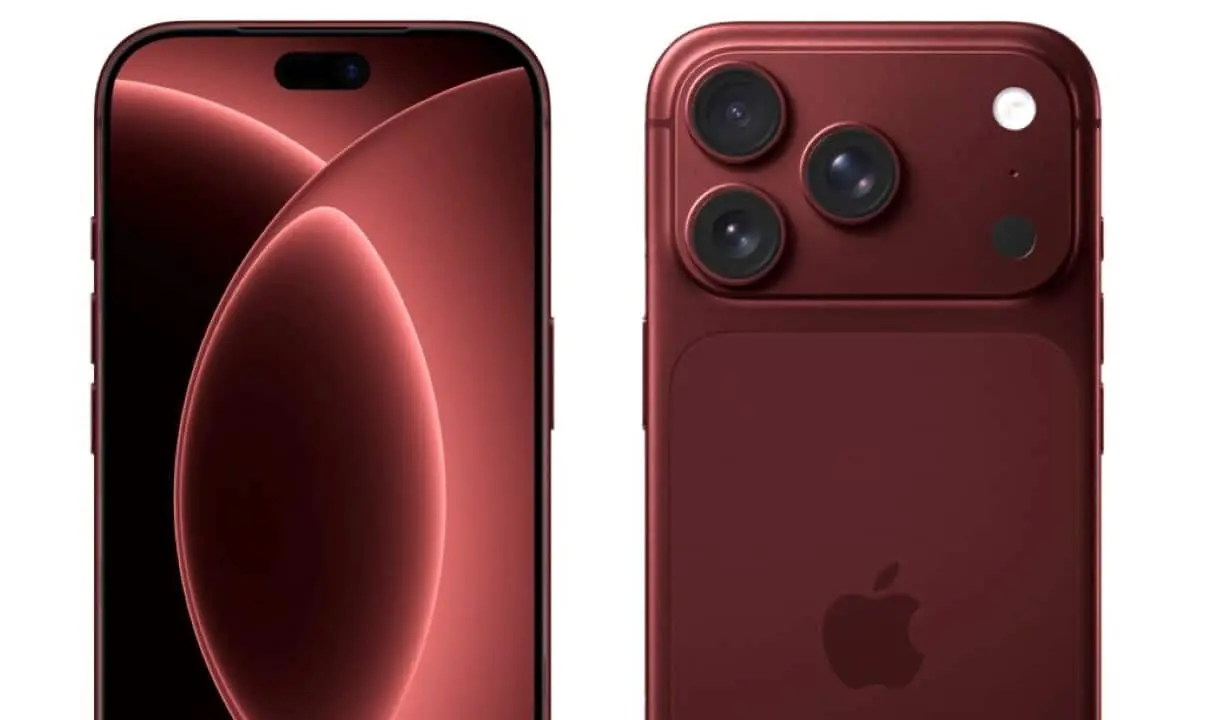
Apple is preparing a significant overhaul of the photography suite for its next high-end smartphone. The upcoming iPhone 18 Pro will feature a main camera system equipped with variable aperture. The technology allows mechanical control of the amount of light that reaches the image sensor. The feature represents an important hardware leap.
The modification ends the cycle of lenses with fixed aperture present in current generations. Recent Relatórios from the Asian supply chain confirm the behind-the-scenes movement in the industry. Fabricantes components have already started structural preparations to meet the North American company’s demand. Final assembly of the optical modules will take place in the first half of 2026.

On the same topic: New generation of iPhone 18 Pro features 2 nanometer chip and camera with unprecedented variable aperture
Physical Mecanismo replaces software adjustments
The variable aperture operation provides much more precise control over depth of field. The physical system changes the diameter of the light passing through the main lens. In low-light environments, the mechanism expands as much as possible to capture any available light beam. Durante day, the aperture retracts to keep entire landscapes in sharp focus. Sharpness increases considerably.
The transition from a fixed aperture of f/1.78 to a dynamic model brings the cell phone closer to dedicated professional cameras. Mechanical tuning reduces dependence on image processing algorithms. The functionality is not new to the global mobile device market. Aparelhos with Android system, like the Samsung Galaxy S9, explored the concept in 2018 with switching between f/1.5 and f/2.4. The Apple implementation promises to refine this transition with more efficient miniature engines.
Learn more: Apple reveals giant camera on iPhone 18 Pro Max with 40% larger module
Video recording receives a direct benefit from the new optical structure. Filmagens taken at 24 frames per second in bright sunlight often suffer from flickering or overexposure. Physically reducing the aperture solves the problem without requiring artificially high shutter speeds. The natural background blur effect, known as bokeh, also gains softer and more realistic contours.
Divisão of production between Asian suppliers
The technical complexity of the new module required a restructuring of the Apple partner network. The installation plans were defined in October 2025. Fontes linked to the South Korean industry point to LG Innotek as the main responsible for manufacturing the component. The company will take the largest share of production due to its prior experience with high-precision optical mechanisms.
The development of moving parts requires close collaboration between different technology companies. Sunny Optical and Luxshare ICT focus their efforts on creating actuators. Esses small motors are essential for moving the lens blades quickly and silently. Algumas assembly lines are already operating in the initial testing phase.
- LG Innotek concentrates its main production in its manufacturing unit located in Gumi, in Coreia of Sul.
- The Sunny Optical provides the microscopic actuators responsible for the mechanical movement of the lenses.
- The companies Foxconn and Cowell participate in the final stage of integration of electronic components.
- The start of mass manufacturing of the modules is scheduled for the period between June and July 2026.
Logistical coordination between factories guarantees the volume necessary for the global launch. Quality control goes through strict inspections to prevent opening mechanism failures during daily use.
See Also

Sperm whale has the largest brain in the animal kingdom: 7.8 kg, six times the size of the human brain

Suzuki police vehicle in the Philippines carries ten people and has only 97 hp

Advanced 146,000-year-old tools reveal surprising technology from extinct hominin in glacial China
More on this story: Apple develops variable aperture camera for iPhone 18 Pro to advance photography
Desempenho photographic in challenging scenarios
The flexibility of the lens adapts the iPhone 18 Pro to extreme lighting conditions. Capturing night images gains physical reinforcement that reduces visual noise without blurring details. The 48-megapixel main sensor works in conjunction with the new aperture to maximize photon input. The practical result is a cleaner photograph with accurate colors.
Retratos in group and architectural photography also benefit from technological innovation. Closing the aperture increases the area of image sharpness. Isso ensures that people positioned in different planes are perfectly focused. The need to use neutral density filters on very bright days drops drastically with mechanical light control.
Possíveis lens array updates
The development of the photographic system is not limited to just the device’s main camera. Informações behind-the-scenes footage indicates advanced testing on a new telephoto lens. The engineering objective is to enlarge the aperture of this secondary camera to improve optical zoom performance in dark locations. The separation between the photographed subject and the background would be more natural.
The resolution of the main sensor will remain at the 48 megapixel mark. The manufacturer’s strategy prioritizes optical quality and light capture rather than inflating megapixel numbers. The external design of the rear module must maintain the horizontal and robust shape characteristic of the previous generation. Especulações on the front camera suggests an increase in resolution, but the technical data remains under industrial secrecy.
Learn more: Apple improves iPhone 18 Pro camera and revamps AgeID parental controls
Cronograma launch and market impact
The arrival of the iPhone 18 Pro and its Pro Max variant will take place in the fall of 2026. The schedule follows the technology company’s historical pattern of announcements. The variable opening system emerges as the main selling point for that year’s update cycle. Mobile photography enthusiasts await the implementation to test the limits of the new hardware.
The premium smartphone market closely follows supply chain movements. The adoption of this technology by Apple may force other manufacturers to bring similar mechanisms to bear in their future releases. Manual and automatic control of light directly on the lens gives the user control over the final aesthetics of the image. The technical barrier between cell phones and traditional photographic equipment is becoming increasingly narrow.