
Apple removes Mac Pro from official catalog and ends production of tower computers
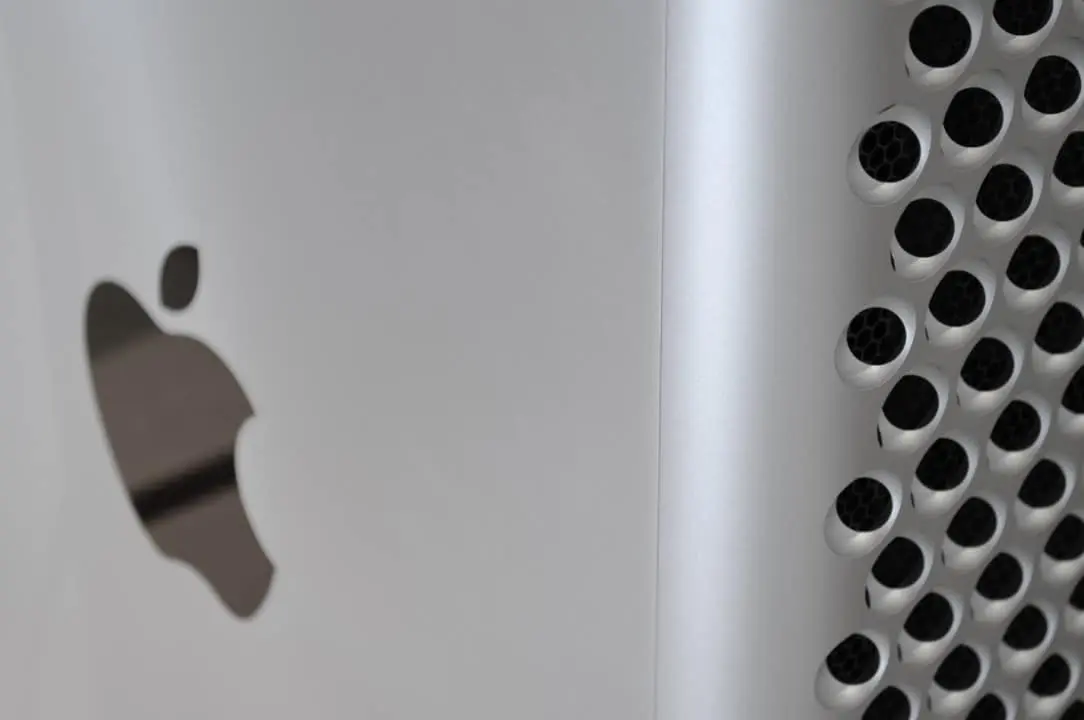
Apple has officially discontinued the Mac Pro, the most powerful desktop computer in its portfolio aimed at the corporate market. The manufacturer removed the section dedicated to the product from its sales portal on Thursday, March 26, 2026. The measure ends an almost two-decade cycle of modular tower design. The movement consolidates a profound change in the brand’s engineering strategy. The Cupertino company now concentrates production on compact equipment equipped exclusively with its own processors.
The model represented the pinnacle of processing power for video editing, software engineering and 3D modeling professionals. The line output eliminates the manufacturer’s only option that allowed internal expansion via PCIe cards. Especialistas from the technology sector point out that the transition to custom silicon architecture has made expandable cases obsolete within the brand’s ecosystem. The company’s current focus lies on the total integration of components into unified logic boards.
Full coverage: Latest News (EN)
Fim of internal expansion and change in hardware architecture
The decision did not surprise analysts who monitor the global technology supply chain. Recent Relatórioss indicated a drastic reduction in the pace of component updates in recent years. The last hardware revision of the equipment took place in 2023. Naquela occasion, the machine received the M2 Ultra chip. Desde then, the device remained stagnant on virtual shelves, while other lines of computers from the brand presented significant generational leaps in performance and energy efficiency.
The elimination of the modular tower directly impacts specific creative industry workflows. Engenheiros sound and audiovisual producers depended on the robust chassis to attach accelerator cards and internal massive storage systems. The manufacturer argues that the unified memory of current chips performs complex tasks without the need for additional dedicated hardware. Essa technical approach reduces energy consumption and reduces the physical space occupied by workstations in modern offices.
Understand the case: Apple prepares rollout of seven new devices for September
Mac Studio takes center stage in corporate environments
The Apple positions the Mac Studio as the drop-in replacement for high-demand operations. The company demonstrates confidence that the compact format delivers results equivalent to or superior to those of old aluminum towers. The intensive use of Thunderbolt technology for connecting external peripherals has become the basis of this new phase of productivity. Produtoras image and music studios are already registering an accelerated migration movement to the new standard of desktop computers.
The unification strategy simplifies the maintenance of information technology infrastructure in large companies. Processing power is now restricted to the system integrated into a single chip, eliminating communication bottlenecks between different parts. Rumores from the financial markets indicate that a robust hardware update for the compact lineup is expected before the 2026 annual developer conference.
- Unidades of the discontinued Mac Pro remain available only on the brand’s certified refurbished market.
- Software support and security updates remain active for current device owners.
- Thunderbolt 5 connectivity takes on the role of the main route for expanding storage capabilities.
- Modern Sistemas cooling systems operate optimized for the low-temperature silicon of the new chips.
The absence of the traditional cabinet also transforms the parts resale and technical assistance market. The culture of manual upgrades on branded computers reaches its final stage of practical disappearance. Empresas who provided expert technical support need to refocus business towards external storage and networking solutions. The welded hardware prevents any internal physical changes by the consumer or independent technicians after the moment of purchase.
More on this story: With revamped Siri, Apple plans up to 16 product launches by 2026
Equipment Histórico since original release
The first generation of Mac Pro arrived on the market in 2006. The launch marked the historic transition from Motorola chips to Intel processors in the professional line. The original model had two 64-bit Intel Xeon processors and four internal hard drive compartments. The equipment started at $2,499 at the time of its introduction. The imposing brushed aluminum design has become a standard of technical excellence in Hollywood studios and global advertising agencies.
The computer has undergone intense visual redesigns over the twenty years of its existence. The manufacturer launched a cylindrical design in 2013, which sparked heated debates in the technology sector. The version faced severe thermal limitations and made it difficult to change essential parts. The company returned to the traditional tower format in 2019, responding to requests from professional users. The useful life of this classic architecture, however, ended up being shortened by the accelerated development of the company’s own processors.
Perspectivas for the corporate sector against the competition
The corporate market is evaluating the consequences of this paradigm shift in setting up editing islands. Marcas competitors using the Windows operating system maintain heavy investments in expandable and customizable workstations. Diverging engineering philosophies are expected to influence government tenders and mass purchases in the coming years. Apple bets on a silent and unchanging future for high-performance professional hardware.
The manufacturer’s confidence in its closed ecosystem indicates that there is no plan for the return of modular cabinets. The unification of product lines reinforces the brand’s identity as a provider of ready-to-use solutions. Profissionais who purchased the 2023 version now have the last example of an era focused on physical control of components. The technology industry awaits the next update cycles to measure the definitive acceptance of the new compact format.
More news in Latest News (EN)
See more → New Hogwarts Legacy mod opens Diagon Alley for PC playersAlleged Black Axe members extradited from South Africa to US in major $6 million romance fraud crackdownTehran expands control over critical oil shipping routes, bolstering regional diplomatic powerSami Zayn reclaims undisputed WWE championship in a dramatic and controversial SmackDown main eventFrequent nighttime urination: When waking up multiple times signals deeper health concernsKansas quarterback Isaiah Marshall delivers stunning, potentially season-defining throw amidst heated rivalry clash
 Lady Gaga and Michael Polansky announce birth of first child
 Hull City holds Chelsea to 2-2 draw as João Pedro scores
 Redmi 17 5G arrives with 7,500 mAh cell at $249 global price
 Comet 3I/ATLAS shows interstellar orbit data on September 113I/ATLAS reveals interstellar trajectory from September 11 data
More news on Mix Vale
- 1Los Perros del Mal seize AAA world trios championship at Triplemania 34 in Las Vegas
- 2Legisladores de Iowa proíbem programas de renda garantida, gerando críticas sobre ‘guerras ideológicas’ e autonomia local
- 3Prominent actresses discuss extended celibacy and new dating approaches in candid interviews
- 4João Pedro scores to level 2-2 for Chelsea in Premier League
- 5Norris takes historic Spanish GP pole as Bortoleto grabs 12th
- 6Apple unveils iPhone 18 Pro to replace aging iPhone 15 Pro
- 7French authorities probe potential sabotage in passenger train derailment near Rouen, injuring dozens
- 8Pacific El Niño warms waters by 2 degrees before 2027 winter
- 9Tooro kingdom mourns King Oyo as news anchor Edward Kijanangoma assumes royal mantle in Uganda
- 10Nepali hydropower tunnel collapse traps six; air pocket discovery sparks hope amid arduous rescue efforts