

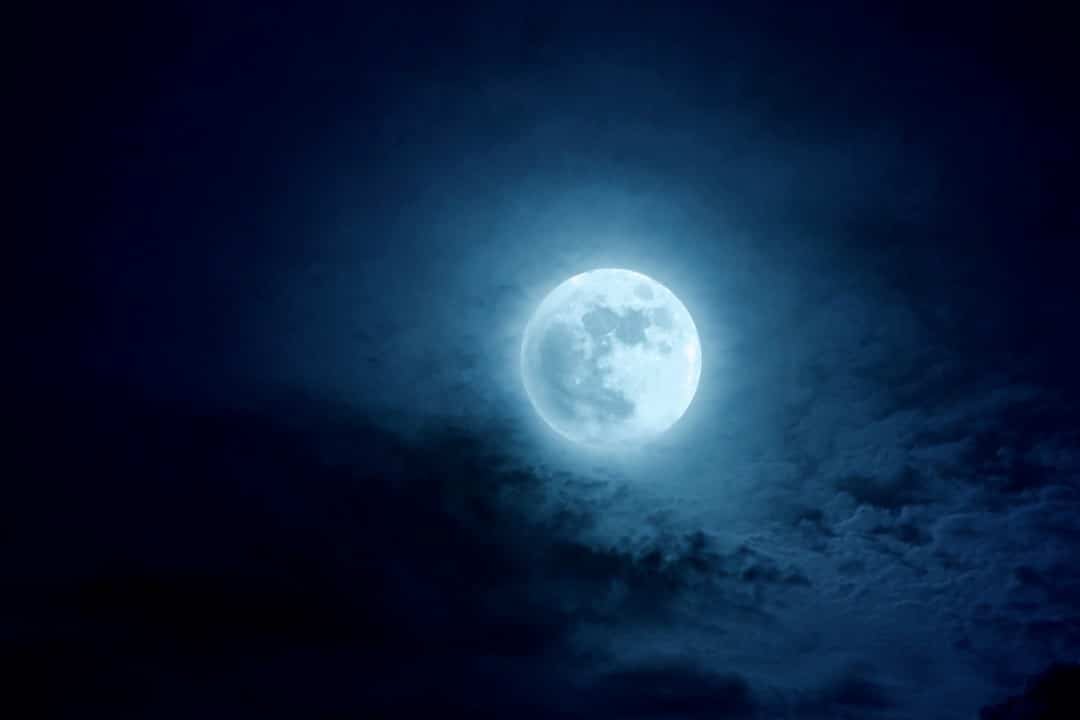
The astronomical calendar at the end of May records the simultaneous occurrence of two specific events, cataloged by experts and researchers as Lua Azul and Microlua. The combination of these orbital factors results in a distinct visual configuration in the night sky during the month transition, attracting the attention of scientific institutions. Observadores and amateur astronomers prepare photographic equipment and long-range lenses to record the exact moment the natural satellite reaches this specific phase. The visibility of the phenomenon in the national territory directly depends on the meteorological conditions of each region and the absence of clouds.
In the city of Olinda, located in the metropolitan region of the state of Pernambuco, a public structure was organized to welcome those interested in following the lunar movement. Observatório Alto of Sé, a traditional tourist and scientific point in the municipality, will make high-precision telescopes available to the population on May 31st. The free service will take place during the afternoon and early evening, with activities scheduled between 4pm and 8pm, allowing detailed viewing of the lunar craters. Especialistas and monitors will be on site to guide the public about the satellite’s physical characteristics and the dynamics of the solar system.
Definição technique and historical origin of the nomenclature
The nomenclature used to describe the event generates frequent doubts among the lay public who follow space news. The term has no relationship with the real color of the natural satellite, which maintains its usual silvery and grayish tone throughout its nighttime trajectory. The classification refers exclusively to the occurrence of two full moons within the same month of the Gregorian calendar, a purely mathematical temporal anomaly. The complete lunar cycle, from the new phase to returning to the same position, lasts approximately 29.5 days. Essa difference in relation to calendar months of 30 or 31 days allows the repetition of the full phase.
Registros histories indicate that the expression emerged in the 19th century through publications in North American agricultural almanacs, which mapped the seasons for planting. Erros Printing and folk interpretations of ancient European legends cemented the name over the following decades in popular vocabulary. Apenas In extreme atmospheric situations, such as large volcanic eruptions or large-scale forest fires, particles suspended in the air can act as optical filters. Nessas anomalous conditions, the scattering of red light allows the moon to acquire a slightly bluish tone, but the current phenomenon does not depend on this environmental factor.
Distância orbital characterizes the formation of the phenomenon
The second aspect of the astronomical event involves the physical position of the satellite in relation to the planet Terra during its translational movement. The lunar orbit has an elliptical and irregular shape, which causes constant variations in the distance between the two celestial bodies over the weeks. The point of greatest separation in this gravitational trajectory is technically called apogee by space agencies. Quando the full phase coincides exactly with this period of maximum distance, astronomers classify the event under the category of Microlua.
The direct consequence of this orbital positioning is a change in the visual perception of the size and brightness index of the satellite in the sky. Medições instruments point out that the lunar disk appears to be up to 14% smaller compared to periods of perigee, popularly known as supermoon. The luminosity reflected by the rock surface also suffers a percentage reduction of approximately 30%, detectable by professional photometric equipment. Apesar of the metric differences recorded by computers, the variation to the naked eye requires extra attention from the human observer to be clearly noticed without the aid of lenses.
Orientações practices for observation with equipment
Proper viewing of astronomical events requires prior planning and choosing appropriate locations away from urban interference. The ideal time to start monitoring occurs shortly after sunset, when the satellite appears over the horizon in the east. The contrast between the remaining twilight light and the emerging lunar glow makes it easier to identify the geological contours of the surface. Especialistas strongly recommend looking for rural or coastal areas away from large metropolitan centers. Light pollution generated by LED public lighting and commercial buildings negatively interferes with the capture of photons by the retinas.
Para To maximize the observation experience and ensure visual safety, astronomers suggest adopting some standardized technical measures:
- Verificar the local weather reports in advance to avoid traveling to areas with high density of rain clouds.
- Utilizar astronomical binoculars mounted on tripods or amateur telescopes to stabilize the image and view impact craters.
- Posicionar stand at high-altitude points, such as viewpoints and hilltops, that offer an unobstructed view of the eastern horizon.
- Aguardar around twenty to thirty minutes in absolute darkness for the human pupil to dilate and adapt to the low light of the environment.
The use of star mapping applications installed on smartphones also helps in accurately locating the lunar trajectory and other stars. Essas digital tools use the device’s global positioning system and gyroscopes to project the position of constellations in real time on the screen. The technology allows novice observers to quickly identify gaseous planets and high-magnitude stars that share the visual field with the natural satellite during the early hours of the morning.
Frequência mathematics of cycles in the civil calendar
The repetition of Lua Azul follows a rigorous mathematical pattern based on celestial mechanics and the laws of universal gravitation. The discrepancy between the lunar synodic month, which dictates the phases, and the globally adopted civil calendar results in the accumulation of residual days over the years. The sum of these invisible temporal fractions culminates in the occurrence of a second full moon in the same month every two to three years. The phenomenon demonstrates the complexity of the synchronization between time measurement systems created by humanity and the natural orbital movements of the solar system.
The simultaneous alignment with the apogee, forming the Microlua configuration, adds an extra layer of statistical rarity to this late May event. Observatório Alto of Sé will keep its doors open punctually from 4pm to 8pm to ensure that the population of Pernambuco has access to the laboratory’s precision instruments. The site’s technical team organized a timed rotation scheme at the main telescopes to accommodate the expected large flow of visitors and students. The public observation structure in Olinda functions as a fundamental hub for scientific dissemination and heritage education for the entire northeast region.