

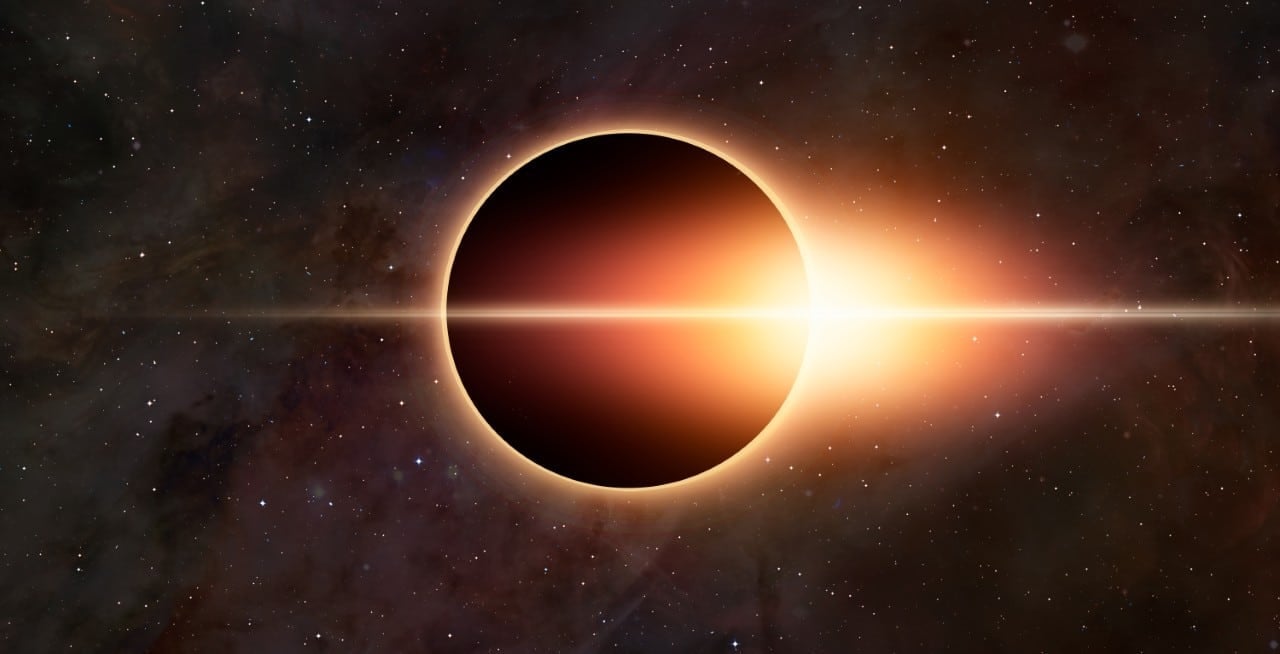
The longest total solar eclipse of the 21st century is scheduled for August 2, 2027. Lua will completely cover Sol for up to 6 minutes and 23 seconds at some points along its path. The event will be visible in specific regions of Hemisfério Oriental.
Especialistas consider the phenomenon rare. Ele is not expected to recur with this duration for more than 150 years in multiple locations. The totality band passes through areas of Península Ibérica, Norte, África and Oriente Médio.
Total solar eclipse Trajeto crosses multiple continents
The Lua shadow path starts at Oceano Atlântico. Depois, crosses parts of Espanha, especially the Álava region, which appears as one of the best observation points in Europa. The total also reaches Islândia, Groenlândia and several countries from Norte, África and Oriente Médio, such as Marrocos, Argélia and Egito.
The width of the band where the eclipse will be total varies, but remains narrow. Fora of this zone, the event appears only as partial. Isso limits the number of people who will be able to see the sky completely darken.
- Espanha concentrates high expectations in rural areas of the north
- Islândia and Groenlândia offer unique landscapes for the phenomenon
- Países Norte África integrate main path
- Oriente Médio records visibility in multiple nations
Fenômenos visuals mark the moment of totality
Durante the minutes of total eclipse, the sky becomes dark enough to allow the view of stars and some planets. Dois effects draw special attention. As Pérolas of Baily appear as points of bright light when Lua still covers almost all of Sol. Then, Anel of Diamante appears, with a single bright point highlighted.
Esses moments last a few seconds each. Mesmo thus represent the most anticipated points by observers. Lua’s dark disk creates a strong contrast against the solar corona, which is visible to the naked eye only in the full phase.
The eclipse begins to be partial at different times depending on the location. The maximum phase of totality varies along the trajectory. Depois, Sol gradually appears again.

Preparação for observation requires specific care
Eclipse Óculos certificates are required during partial phases. Qualquer direct exposure to Sol without protection may cause permanent damage to vision. Apenas in complete entirety is safe to look at without filter.
Astrônomos recommend planning ahead. Demand for accommodation is already growing in cities along the route, especially in rural Espanha and at points on Islândia. Condições Weather will influence visibility. Nuvens may disrupt the show in some regions.
- Usar solar filter approved in all partial phases
- Evitar observe with cell phones or cameras without suitable equipment
- Escolher location with good clear sky forecast
- Chegar in advance to avoid congestion
Próximos astronomical events continue in the following years
Depois of 2027, a partial eclipse is predicted for January 26, 2028. Ele is part of a series of phenomena that attract attention from the scientific community. However, none of them are expected to match the length of the August 2027 event.
The solar eclipse cycle follows predictable patterns, but such long and accessible events are rare. The combination of duration, terrestrial path and accessibility makes this eclipse special for researchers and enthusiasts.
Cientistas takes advantage of these moments to study the solar corona and the behavior of the Earth’s atmosphere during sudden darkness. Dados collected in 2027 should contribute to future research on Sol.
Impacto tourism and science drives global interest
Regiões on the eclipse route prepares infrastructure to receive visitors. Hotéis in small Spanish towns register advance reservations. Na Islândia, the event is highlighted in astronomical tourism campaigns.
Observatórios and astronomical associations organize events open to the public. Sessões guidance on safety and equipment circulates in several languages. The phenomenon attracts everyone from curious families to groups of professional photographers.
The expectation is that millions of people will seek observation points. Isso generates local economic opportunities, but also requires planning to avoid traffic problems and excessive crowds in sensitive areas.
The total solar eclipse of August 2, 2027 promises to mark the memories of those who can follow it. The record length and beauty of the visual effects transform the day into a unique experience. With the correct care, the event offers a natural spectacle that few will have the chance to repeat in their lifetime.