

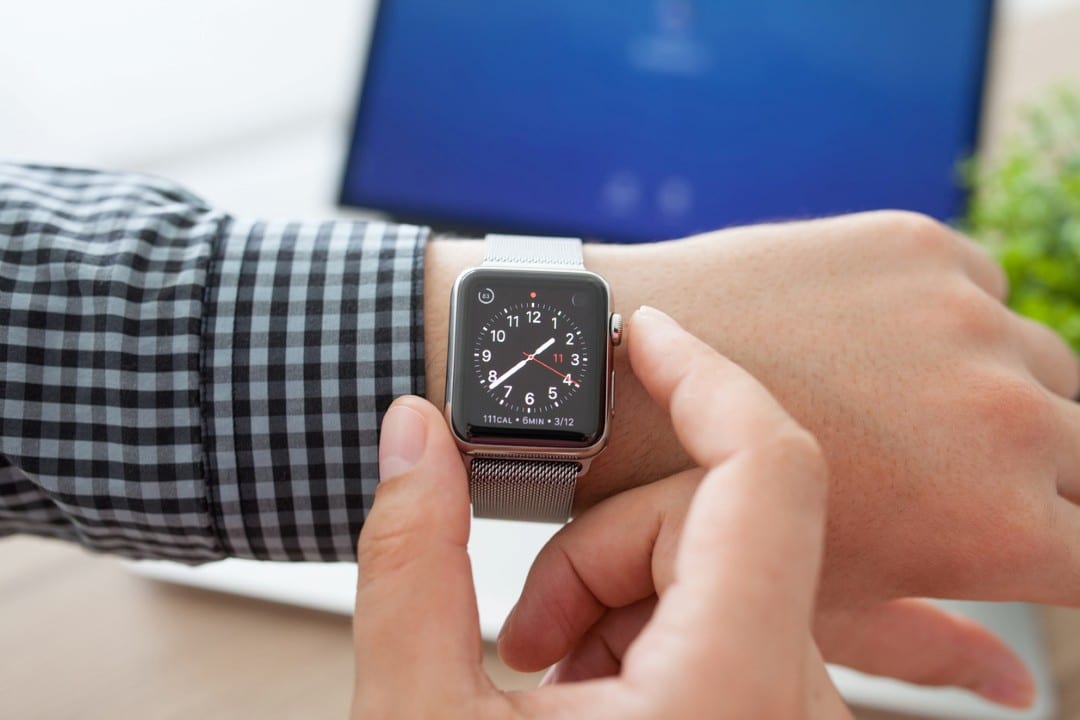
Apple is expected to test a new OLED screen technology in next year’s Apple Watch. The rumor comes from South Korean industry sources and points to significant gains in energy efficiency. The component may reach the smart watch before migrating to other brand products.
The new feature is called High-Mobility Oxide, or HMO. Ela acts as a successor to LTPO, used today to enable Always-On Display displays and variable refresh rates. The main benefit is the mobility of electrons, which must jump three to five times.
LG Display advances with sixth generation in-line manufacturing process
LG Display has already installed equipment for HMO technology in its sixth generation production line for small and medium panels. The method chosen by the company is sputtering, which uses plasma to deposit materials uniformly. Essa choice facilitates mass production scaling.
Fontes near the project indicates that verification is in progress. LG Display plans to deliver the first HMO-enabled panels for smartwatches as early as 2027. Apple typically uses the Apple Watch as an initial platform to validate new display technologies before deploying them in higher volumes.
- Mobilidade of electrons must rise from 10 cm²/Vs to 30 to 50 cm²/Vs
- Redução significant in screen power consumption
- Manutenção features like Always-On Display and variable refresh rate
- Sputtering Processo Facilitates Manufacturing at Scale
- Possibilidade of future expansion for iPhone line
Samsung Display, another supplier of Apple, also works on the technology, but with a different approach. The South Korean company invests in Atomic Layer Deposition, a method that deposits atomic layers with greater precision, although slower.
HMO promises greater autonomy for the Apple Watch
The leap in transistor mobility should translate into lower battery consumption. Hoje the LTPO already balances performance and consumption, but the HMO raises this level. Usuários may notice watches that last longer away from the charger without losing advanced features.
Apple Watch has served as a laboratory for Maçã for years. Várias display innovations first debuted on watches before making their way to iPhones. Essa strategy allows for testing in smaller volumes and faster adjustments before mass production.
The rumor gains strength because it coincides with Apple’s history of gradually adopting new display technologies. Analistas follows the development to project how the change could affect the wearable product line and, eventually, cell phones.
Samsung and LG follow different paths in the race for efficiency
Enquanto LG Display focuses on sputtering to speed up production, Samsung Display focuses on ALD. Both approaches seek the same objective, but with different priorities. Apple maintains multiple suppliers to negotiate better conditions and ensure stable supply.
The market for OLED displays for wearables is growing fast. Fabricantes seek solutions that deliver more efficiency without increasing costs or compromising quality. The HMO appears as a natural candidate to replace the LTPO in future generations.
What HMO technology changes in practice for the user
The main improvement is invisible to those who use the watch on a daily basis. The reduced screen consumption allows other components, such as the processor and health sensors, to operate more freely. Isso may be reflected in better overall performance or longer usage time.
Especialistas remember that Apple has not yet confirmed any details. The 2027 timeline depends on the verification results of LG Display and internal qualification of Maçã. Histórico shows that the company postpones plans when technology does not reach the required standard.
The development reinforces Apple’s focus on wearables. The Apple Watch continues to evolve as a health and wellness device, and more efficient displays help maintain that advancement without sacrificing sleek design or battery life.
Detalhes technical and next steps of the project
HMO acts on the thin film transistor layer. Increased mobility allows electrons to move with less resistance. Direct Resultado is less power required to maintain the image on the screen.
The LG Display already has the technology in the testing phase in the Gen-6 line. Fontes indicate that the first commercial panels for smartwatches could come out in 2027. Apple is expected to evaluate the component along with other improvements planned for the next generation of the watch.
- Performance Confirmação in real tests
- Qualificação completed by Apple
- Decisão on initial production volume
- Possível parallel adoption by other wearable manufacturers
- Supply Chain Preparação for Larger Scale
The rumor has been circulating since the beginning of June 2026 and is receiving repercussions in specialized vehicles. Mais information should emerge in the coming months as testing progresses.