

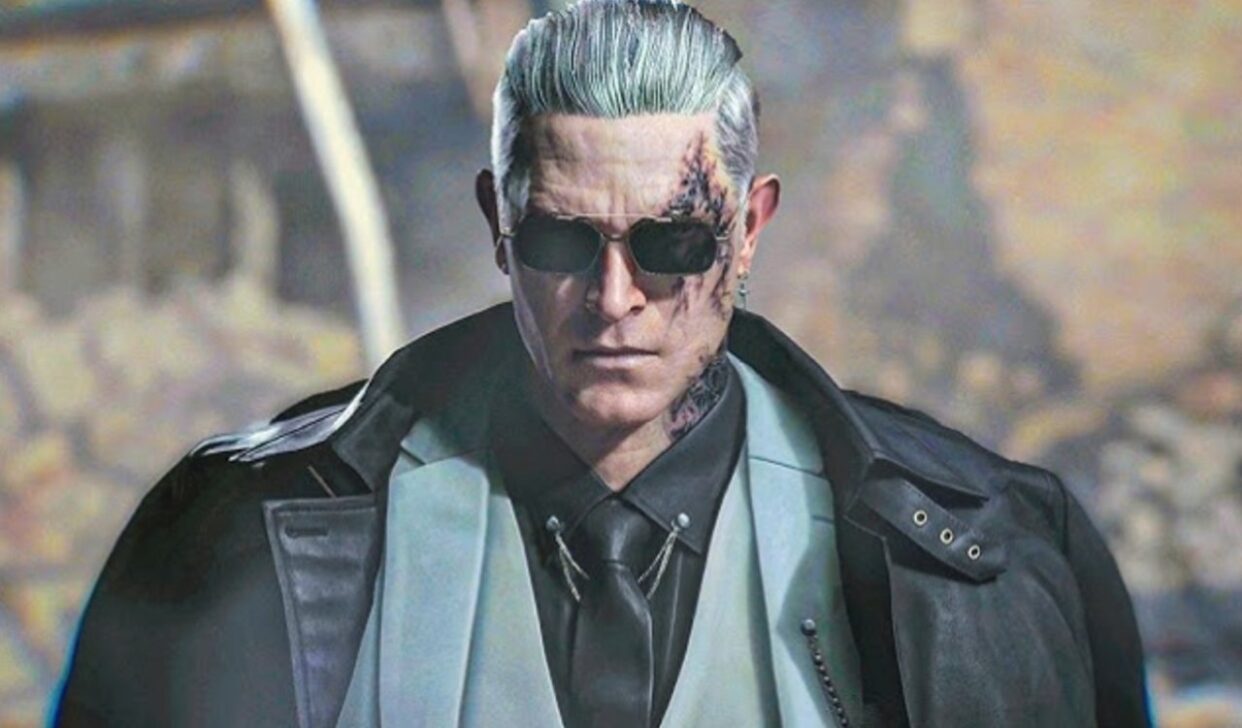
Durante Nearly three decades, players have faced biological threats in isolated mansions in Norte’s América, remote villages in Europa, and deserts on the African continent. The franchise that defined the survival and horror genre has explored various parts of the globe since its creation. The country of origin of the developer responsible for the brand, however, has remained untouched by the main narratives of the series until today.
Koshi Nakanishi, producer of Capcom and a central figure in the development of the Resident Evil franchise, confirmed in a recent interview that the team is considering setting a future title on Japão. The statement responds to a long-standing request from the global fan base and signals a possible change in geographic direction for the next chapters of the saga. The executive explained that the matter is already circulating in the company’s corridors and generates internal debates about the viability of the project.
Histórico of rentals removes franchise from its country of origin
The release of the original game in 1996 established a geographic pattern that Capcom has strictly followed over the years. The fictitious Raccoon City, located in the Midwest of Estados Unidos, served as the initial epicenter of the contamination. Subsequent titles expanded the scope of the biological threat to other regions of the planet. Players explored rural areas in Espanha, military installations in Antártida, swamps in Louisiana, and Gothic castles in Eastern Europe.
The choice of Western settings helped to consolidate the brand in the international market during the first years of expansion of the electronic games industry. The absence of Japão as the main stage has always generated questions from the consumer community. Nakanishi addressed the topic directly during his public demonstration. The producer revealed that the idea of bringing contamination to Japanese territory is not an exclusive desire of the players.
The executive stated that he himself has considered this possibility several times throughout his career at the company. The development team holds internal discussions about how to adapt the series’ traditional formula to an Eastern setting. Capcom has not yet begun active development of a game with this specific premise. The current conversations function as a creative exercise to map out the technical and narrative challenges of such a significant change.
Elementos cultural and local architecture as a basis for terror
The transition to Japão would require a deep adaptation in the franchise’s art direction and level design. Developers would need to organically integrate elements of local culture into the science fiction and bioterrorism narrative. Japanese architecture offers unprecedented opportunities for building scenarios focused on exploration and puzzle solving. Antigos Shinto shrines, Buddhist temples and historic buildings could replace traditional European mansions and castles.
The contrast between the urban environment and rural areas also represents a vast field for the creative team. A densely populated metropolis, with characteristics similar to Tóquio, would create a complex evacuation scenario and claustrophobic corridors amidst skyscrapers. An inland approach would allow the exploration of isolated villages. Esse type of location would facilitate the incorporation of local myths and urban legends into the visual design of creatures and enemies.
Capcom has experience using Japanese folklore in other intellectual properties in its catalog. Applying this knowledge to the Resident Evil universe would require a careful balance. The company would need to maintain the scientific justification for the mutations, based on viruses and parasites, while using the aesthetics of oriental horror to renew the atmosphere of tension. The main objective remains focused on preserving the series’ mechanical identity.
Lançamento of Resident Evil Requiem sets the stage for the future
Enquanto discussions about the Japanese scenario remain in the field of long-term planning, Capcom focuses its efforts on the next major release of the franchise. The title Resident Evil Requiem is expected to hit the market in early 2026. The game represents the next official step in the series’ chronology and promises to expand the survival mechanics established by current generation graphics engines.
The company defined technical specifications and target platforms for the new project, aiming to reach the largest installed base of players possible. The development uses the company’s proprietary technology to ensure visual fidelity and stable performance.
- Desenvolvedora responsible: Capcom
- Data Scheduled Release: February 27, 2026
- Plataformas confirmed: PlayStation 5, Xbox Series X/S, PC and Nintendo Switch 2
- Motor chart used: RE Engine
- Gênero main: Survival horror
- Classificação indicative: M (Adultos)
The inclusion of Nintendo Switch 2 in the list of confirmed platforms indicates that Capcom had early access to the new console’s development kits. The presence of RE Engine ensures that the game will maintain the standard of dynamic lighting, photorealistic textures and advanced physics seen in more recent releases. The graphics engine has proven its versatility over the years and allows the team to optimize code for different hardware architectures without compromising the original artistic vision.
Expectativas from the community and evolution of survival mechanics
The announcement of Resident Evil Requiem dates and platforms moves the gaming community on forums and social networks. The fan base analyzes every statement from the producers for clues about the plot and protagonists. The franchise has a vast cast of classic characters who take turns playing the main role with each new release. The introduction of new agents or the return of established figures directly changes the tone of the narrative and the pace of the gameplay.
Koshi Nakanishi’s speeches work as an engagement mechanism to keep the brand in the spotlight during the development period. Transparency about internal processes and ideas discarded or under study brings the company closer to its consumer public. The franchise bases its success on the ability to balance resource scarcity, methodical exploration of interconnected environments, and strategic combat against tough enemies.
The evolution of the survival genre requires companies to seek constant innovation to avoid mechanical stagnation. The change in camera perspective, the change in the pace of action and the introduction of new inventory systems marked the different eras of the series. The exploration of an unprecedented scenario such as Japão or the technical improvement brought by Resident Evil Requiem represent essential tools for maintaining the brand’s relevance in the global digital entertainment market.