

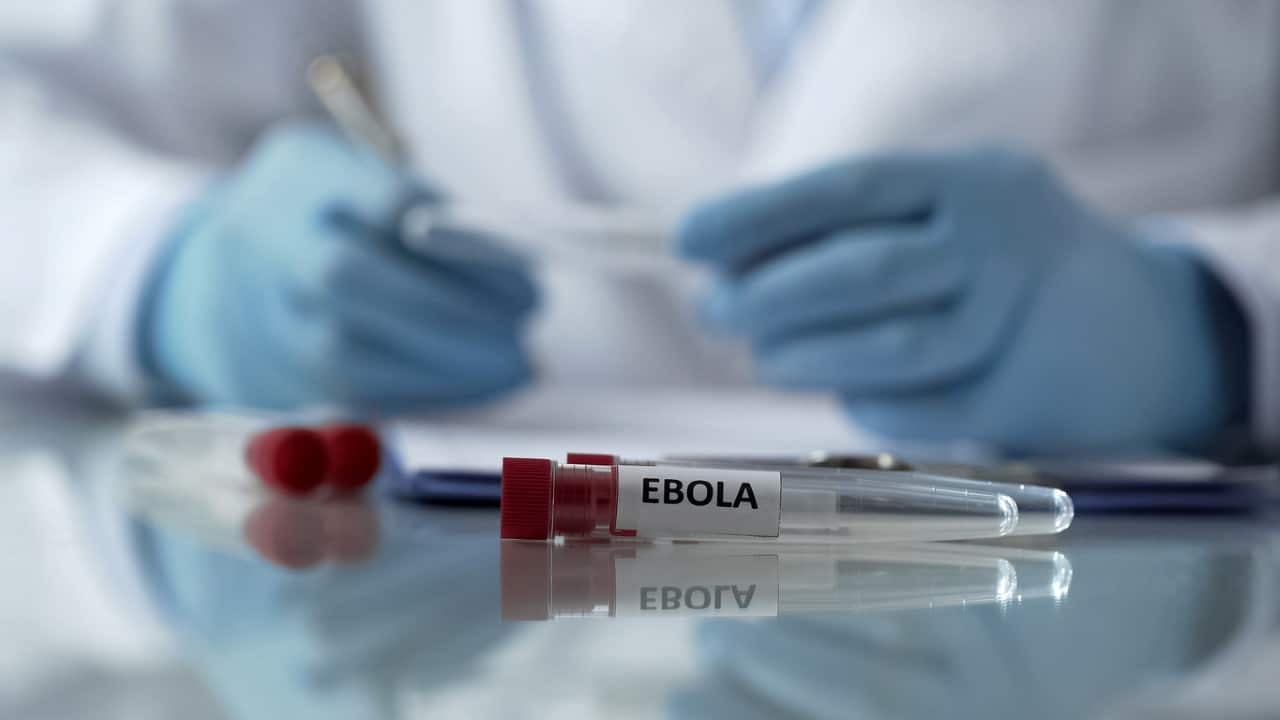
Congo’s República Democrática deals with an Ebola outbreak caused by the Bundibugyo souche. Authorities have confirmed around 320 cases and recorded 50 deaths. The virus circulates mainly in the province of Ituri, in the northeast of the country. Casos suspects number more than a thousand, according to different sources. The disease spread to nearby areas, including records in Uganda.
The only vaccine available at the moment is Ervebo, from the Merck laboratory. Ele was approved in 2019 and demonstrated good efficacy against the Zaïre souche. However, evidence for protection against Bundibugyo remains limited. Estudos in primates indicated some increased survival in vaccinated animals, but the results were not considered conclusive. Organizações like the WHO and MSF follow the debate on the possible application of the immunizer in controlled contexts.
Casos confirmed and suspected increase in Ituri
The Ituri province concentrates most of the records. Health Equipes operates in zones such as Mongbwalu, Rwampara and Bunia. Ministério of DRC’s Saúde declared the epidemic on May 15th. Desde then, the number of cases evolved rapidly.
- Laboratory-confirmed Casos: around 320
- Mortes registered: 50
- Casos suspects: between 116 and more than 1,100 depending on the source
- Regiões affected: Ituri, with possible links to North Kivu
Insecurity in the region complicates the work of contact tracing. Deslocamentos population and mining activities favor the circulation of the virus.
Vacina Ervebo divides opinions among experts
The Ervebo immunizer showed an excellent tolerance profile in previous campaigns against the Zaïre souche. Ele has been used in ring vaccination strategies, which protect direct contacts of confirmed cases. Contra Bundibugyo, however, the data is preliminary.
A meeting of experts convened by the WHO analyzed the product’s potential. The current recommendation is to avoid use outside of rigorous research protocols. The goal is to evaluate actual performance against this specific souche. Enquanto This, researchers are accelerating the development of vaccines targeting Bundibugyo.
Cuidados support saves lives even without specific treatment
Médicos report recoveries in patients who receive early care. Quatro nurses admitted to Bunia were discharged after treatment. The WHO reinforces that adequate clinical support increases the chances of survival. Sintomas include fever, body aches, weakness, vomiting and, in some cases, bleeding.
Care involves hydration, symptom control and adequate isolation. MSF’s Equipes operates treatment centers in the region. The organization highlights the importance of community engagement to reduce transmission.
International Resposta mobilizes resources for containment
The WHO declared a public health emergency of international scope on May 17th. The US CDC has issued travel advisories for the DRC and Uganda. Países neighbors have reinforced border surveillance.
International Especialistas meet to define strategies. The focus is on rapid case identification, tracking and safe burials. Dois vaccine candidates for Bundibugyo are in accelerated development. One of them could be ready for testing in a few months.
The situation remains dynamic. Autoridades local and global partners continue field work to limit the spread of the epidemic.