

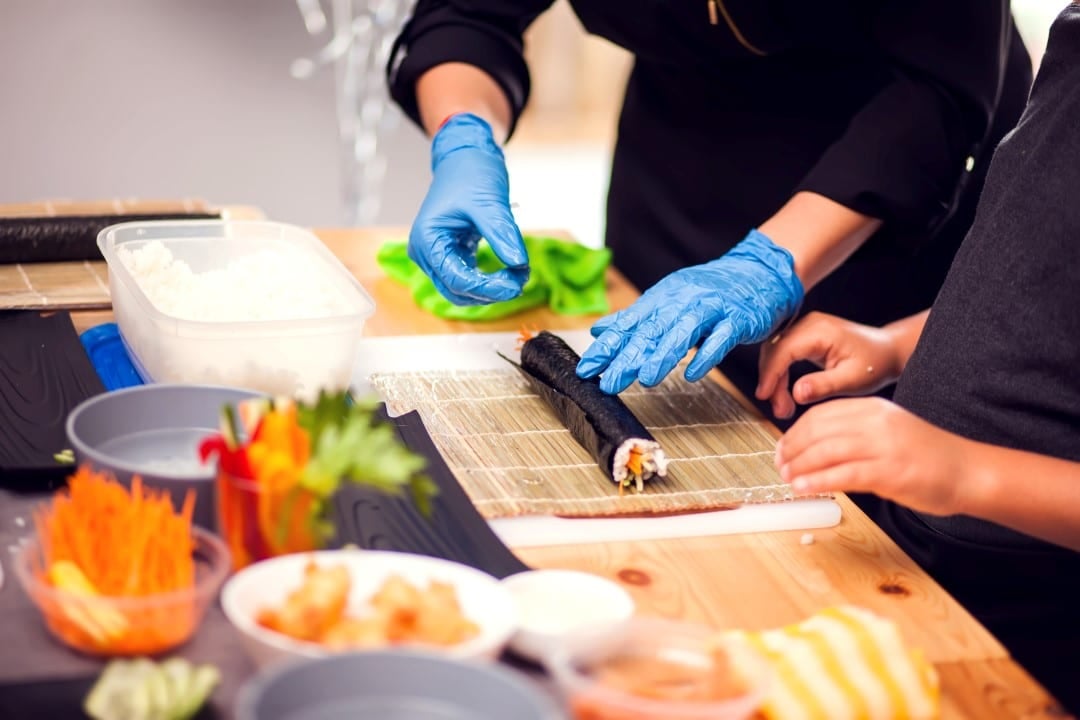
Sushi tradition carries the weight of decades of rigorous training. Em Tóquio, however, a new wave of classes shows another reality. Ordinary Pessoas participate in practical sessions and leave with pieces they made themselves. The result surprises even those who have never held a chef’s knife.
Sushi represents Japão like few dishes. Poucos Japanese, however, prepare the delicacy at home. Classical training required years of dedication to master balancing rice, cutting fish and precise assembly. Hoje, the scene changes with short and light options for beginners.
Aulas practices attract those looking for hands-on experience
Participantes receive a small portion of rice in their hands during sessions. Instrutores explain the basics of shari, rice seasoned with vinegar. Depois, show how to position thin slices of tuna or salmon. The focus is on fun, not perfection.
Muitos students leave classes with photos of their own creations. Alguns repeat the process at home with ingredients purchased from supermarkets. The approach contrasts with the image of masters who spend their lives behind the counter.
- Sessões last about an hour and a half on average
- Ingredientes include rice, nori, fresh fish and vegetables
- Instrutores corrects finger pressure to form nigiri
- Rolinhos as simple as maki are also on the menu
- Degustação final brings together all participants
Tradição gains new momentum with accessibility
The old training still exists in high-end restaurants. Jovens chefs continue to invest time to achieve excellence. At the same time, schools and studios open their doors to tourists and locals who just want to experiment.
Essa openness helps preserve culture. Quem tastes the sushi he makes himself and values the work of professionals more. The act of assembling the pieces creates a connection with Japanese food.
Rice needs the right temperature. Fish demands freshness. Pequenos details make a difference, but mistakes don’t take away the pleasure. Muitos participants laugh at the irregular shapes and celebrate the final taste.
Tóquio concentrates options for different profiles
Estúdios near areas like Tsukiji and Asakusa offer classes in English. Alguns venues operate in historic spaces. Outros prioritizes small groups for individual attention.
Specialized Empresas organize private experiences. Famílias participate together and transform the activity into a travel program. The result appears on social networks with Japanese cuisine hashtags.
Profissionais notice the growing interest. Demand for short classes has risen in recent years. Visitantes foreigners seek authentic experiences beyond meals in restaurants.
What changes for those trying it for the first time
Iniciantes learn basic modeling techniques. One of them involves gently turning the piece with your fingers. Outra maintains the straight shape for classic nigiri.
The balance between rice and topping becomes the biggest challenge. Excesso of rice leaves the piece heavy. Pouco rice does not hold the fish. Quick practice fixes these points.
Degustação happens at the end. Participantes compare results and exchange impressions. The relaxed atmosphere encourages future repetitions at home.
Muitos leave classes with simple ingredient kits. Basic Receitas help you reproduce what you have learned. Sushi is no longer just restaurant food.
Impacto cultural democratization of preparation
The change does not erase haute cuisine. Mestres still trains new talents rigorously. Popularization, however, expands the public that appreciates the technique.
Restaurantes notice more informed customers after hands-on experiences. Conversas about sushi gains depth. Respect for tradition grows when people touch the ingredients.
The phenomenon reflects a larger trend in Japanese cuisine. Oficinas of ramen, tempura and even wagashi emerge with the same approachable spirit. Food becomes a bridge between cultures.
Tóquio continues as the hub of this transformation. Aulas happen regularly and attract people of different ages. Sushi, a national symbol, gains new stories in the hands of amateurs.