

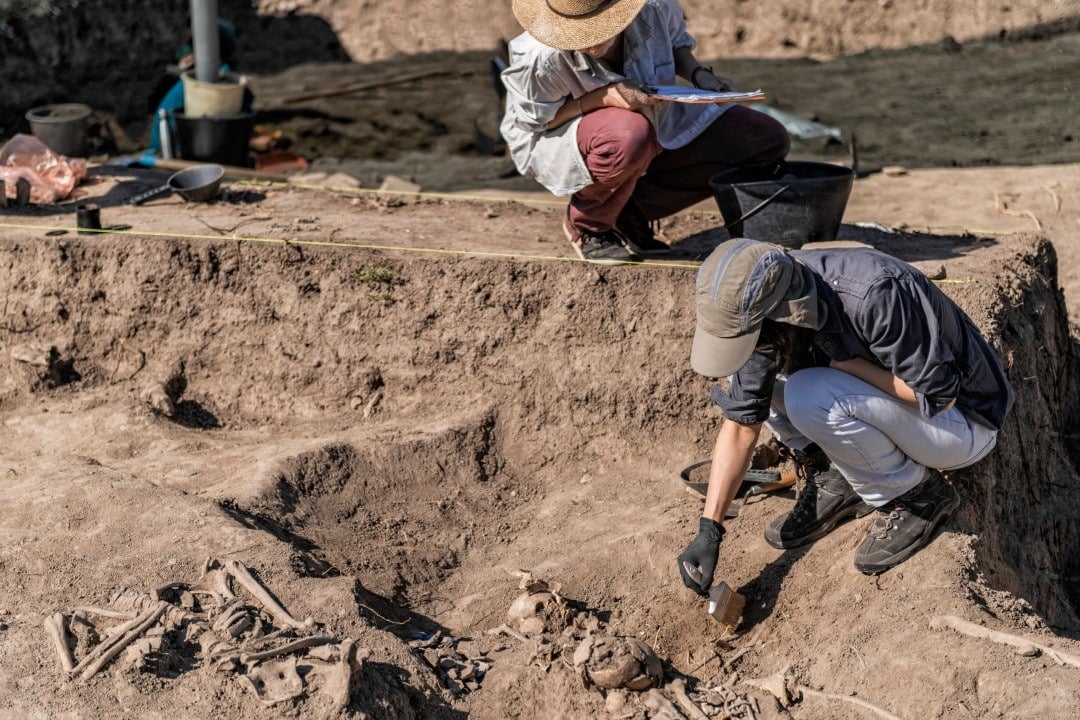
Fósseis of a colossal crocodile came to light in excavations in the Turkana basin. The species Crocodylus thorbjarnarsoni measured more than 8 meters in length. Ela inhabited rivers and lakes in the region between 2 and 4 million years ago. The animal surpassed in size any current crocodile. Sua’s presence altered the risk for hominids approaching the water.
The heavy skull required the effort of four adults to move. Marcas in the fossil indicates robust structure similar to that of modern Nile crocodiles. Protuberâncias bones behind the eyes gave a distinct appearance. The predator used ambushes typical of the group. Ele fed on fish, mammals and other vertebrates available in the environment.
Massive Crânio reveals strength of extinct predator
The fossil material is stored in National Museum of Kenya, in Nairóbi. Detailed Análises shows that the wide beak and robust body allowed the capture of a variety of prey. Estudos published in Journal of Vertebrate Paleontology highlight the exceptional port. The species belongs to the genus Crocodylus, which produced giants in ancient África.
- The length exceeded 27 feet, or about 8.2 meters.
- The estimated weight placed the reptile in the category of dominant predators.
- The diet included medium and large mammals.
- The morphology of the skull indicated a powerful bite.
- Protuberâncias bones differentiated the animal from living relatives.
- Fósseis were recovered mainly in the 1960s and 1970s.
Restos from australopithecines found in the same area suggests temporal and geographic overlap. Hominídeos needed caution when drinking or crossing waterways. The crocodile waited submerged and attacked by surprise. Essa dynamics were repeated in humid environments of the African savannah.
Parentesco with another species reinforces risk to the first hominids
Crocodylus thorbjarnarsoni is close to Crocodylus anthropophagus, described in Tanzânia. Esta last also had habits that included consumption of hominids. The connection points to constant pressure from aquatic predators on human ancestors. Rios and lakes represented high-danger zones in addition to known terrestrial threats.
Pesquisadores reconstructed the animal’s appearance based on cranial and mandibular bones. Imagens comparisons show a larger scale than current examples. The reptile occupied the top of the food chain in its aquatic ecosystem. Sua extinction left a gap that smaller crocodiles later filled.
The study advances knowledge about African biodiversity at Plioceno. Ele shows that the genus Crocodylus already exhibited extreme size variations millions of years ago. Fósseis helps map interactions between megafauna and early members of the human lineage.
Análises paleontological studies detail habits and ancient environment
Equipes examined body proportions and tooth structure. Evidências indicate that the crocodile did not select prey rigidly. Ele took advantage of opportunities on river banks and lake edges. Mudanças climate and variations in water levels influenced its distribution.
Additional Fósseis from the Turkana basin complement the record. Eles allows comparisons with contemporary species. The research reinforces that humid environments concentrated risks for hominids in search of resources. Beber, fishing or migrating required constant vigilance.
Fósseis in Kenyan museum preserves record of dominant predator
The National Museum of Kenya collection holds the main specimens. Visitantes can observe skulls and bone elements that illustrate the size. Equipes continues studies on the evolution of African crocodilians. Novas digital imaging techniques improve reconstructions.
The original discovery dates back decades, but recent analyzes have shed light on ecology. The material reveals how giant predators shaped selective pressures on early human populations. Rios Kenyans harbored threats that influenced survival behaviors.
- Escavações in the Turkana basin yielded multiple remains.
- The museum in Nairóbi houses the main collection.
- Pesquisadores compare with current Nile crocodiles.
- Estudos focus on evolutionary relationships within the genus.
- Reconstruções show impact on the local ecosystem.
The fossil record contributes to understanding prehistoric dynamics. Ele highlights that life along African rivers has always involved negotiating aquatic hazards. Crocodylus thorbjarnarsoni symbolizes an era in which ancient humans occupied a vulnerable position in the food web.