

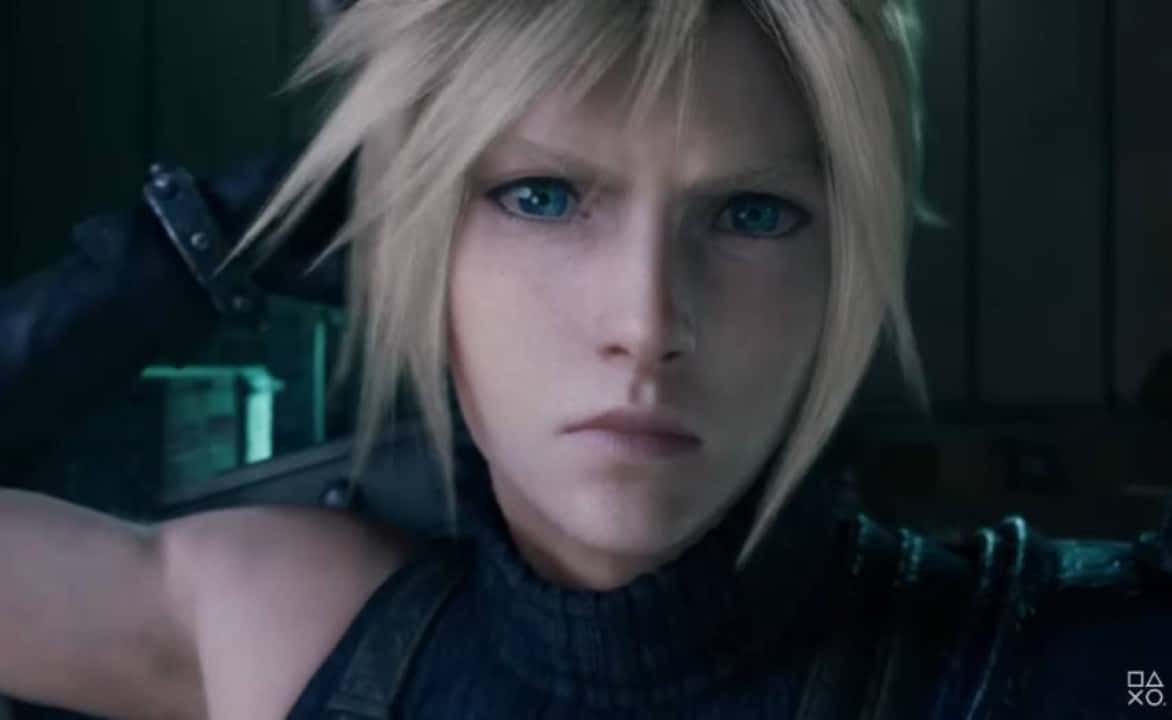
Square Enix has defined a drastic change in the route to the conclusion of the Final Fantasy VII Remake trilogy, abandoning the temporary exclusivity format that marked the first two chapters. Unlike previous titles, initially restricted to Sony consoles, the third and final part of the saga will have a simultaneous release for PlayStation 5, Xbox Series X|S and PC. The decision ends the restrictive partnership with the Japanese manufacturer for this specific franchise and signals a new commercial guideline for the producer, focused on maximizing global reach and diluting high development costs on the first day of sales.
The strategic change seeks to correct the audience limitation observed during the premieres of Final Fantasy VII Remake and Final Fantasy VII Rebirth, which suffered from the fragmentation of the player base. The developers plan to use Unreal Engine 5 to ensure that the game reaches all high-end hardware at the same time, avoiding the loss of engagement that occurs when part of the audience has to wait months or years for a conversion. The move reflects a broader internal restructuring of the company, whose current focus is to recover the immediate profitability of its big-budget productions, known as AAA, in an increasingly expensive market.

Square Enix’s new cross-platform strategy
The simultaneous launch confirms the guidelines of Square Enix’s recent business plan, internally named “Rebirth”. After analyzing the commercial performance of its temporary exclusive games, the board concluded that restricting initial access to just one platform harms profit potential, especially given the escalating production costs of the current generation. The new corporate focus establishes that important intellectual properties, such as Final Fantasy and Kingdom Hearts, must be available to as many consumers as possible upon release, abandoning practices that limit the installed base.
The development team, led by director Naoki Hamaguchi, highlighted that production of the third part is progressing quickly, bypassing the technical bottlenecks faced during the creation of Rebirth. By unifying the production line for multiple platforms from the beginning of the project, the studio avoids delays and is able to optimize the code for different hardware architectures simultaneously. This approach eliminates the technical lag and waiting time that marked PC versions and eventual ports to Microsoft consoles in the past.
Gaming market analysts point out that opening up to the Xbox ecosystem represents a fundamental step towards the franchise’s long-term financial sustainability. With the consolidation of the Game Pass service and the strength of Microsoft after the acquisition of Activision Blizzard, ignoring the user base of American consoles has become an economically unfeasible decision for large studios. The official confirmation that Square Enix will treat platforms equally at launch ends years of speculation and meets a long-standing demand from fans who do not have Sony devices.
History of exclusivity and market impact
To understand the weight of this change of route, it is necessary to look at the recent history of the trilogy, which carries the irony that the original 1997 game was precisely the trump card that guaranteed the victory of the first PlayStation over the Nintendo 64. Final Fantasy VII Remake hit the market in April 2020 for the PlayStation 4, remaining exclusive for more than a year before receiving an improved version for the PlayStation 5 and, later, landing on PC via Epic Games Store and Steam. This long waiting window cooled social media discussions and cultural engagement around the title, which ended up impacting sales volume when conversions were finally available.
The fragmentation scenario was repeated with Final Fantasy VII Rebirth, released exclusively for the PlayStation 5 in February 2024. Although the title received acclaim from specialized critics, financial reports indicated that the console’s installed base, smaller compared to the peak of the previous generation, prevented initial sales from reaching the producer’s most optimistic goals. The exclusivity barrier left millions of PC and Xbox players left out of the game’s biggest moment, an obstacle that Square Enix is now showing urgency in overturning.
The conclusion of the trilogy will bring to a close a massive project that combined a complex narrative with refined action RPG mechanics. The reimagining of the 1990s classic will reach its definitive expansion without depending on the financial injection of a specific console manufacturer, which is seen as a victory for the consumer’s right to choose. The pressure to achieve significant sales figures in the first month is high, making the multiplatform strategy the safest bet to recoup a development investment that exceeds the tens of millions of dollars mark.
Technical aspects and expectations for launch
The software engineering team is currently facing the technical challenge of ensuring visual and performance parity between PlayStation 5, Xbox Series X and high-end PCs. The use of a highly customized graphics engine allows the rendering of vast worlds and cinematic combat with extreme fidelity. Without the technical constraints of last-generation consoles like the PlayStation 4 and Xbox One, developers can make the most of modern SSDs’ speed and current processing power.
Among the main features expected for the end of the saga, developments in combat and narrative structure stand out:
- Fully explorable Highwind aircraft, allowing free flight over a continuous world map;
- Resolution of mysteries involving alternative timelines and the fate of central characters;
- Expanded combat system, incorporating unprecedented synergies between group members;
- Native optimization for PC hardware, supporting upscaling technologies like DLSS and FSR from day one.
The reception of the news was exceptionally positive, especially among Xbox owners, who felt sidelined by major Japanese releases in recent years. The freedom to choose the preferred platform without the imposition of a closed ecosystem also moves the hardware market, generating new consumption dynamics. Although Square Enix has not yet set an exact date for the game’s arrival, the broad distribution model already positions the work as one of the most anticipated titles of this generation of consoles.
With development entering its most critical stages, the technology industry is closely watching whether the new business tactic will bring the profits demanded by Square Enix shareholders. The success of this venture has the potential to dictate the future of the company’s other properties, setting a new standard for big-budget Japanese productions seeking the global market, where software exclusivity is becoming an increasingly rare practice. The end of Final Fantasy VII’s journey represents not only the conclusion of a cult story, but the ground zero of an era of greater accessibility for the studio’s RPGs.