

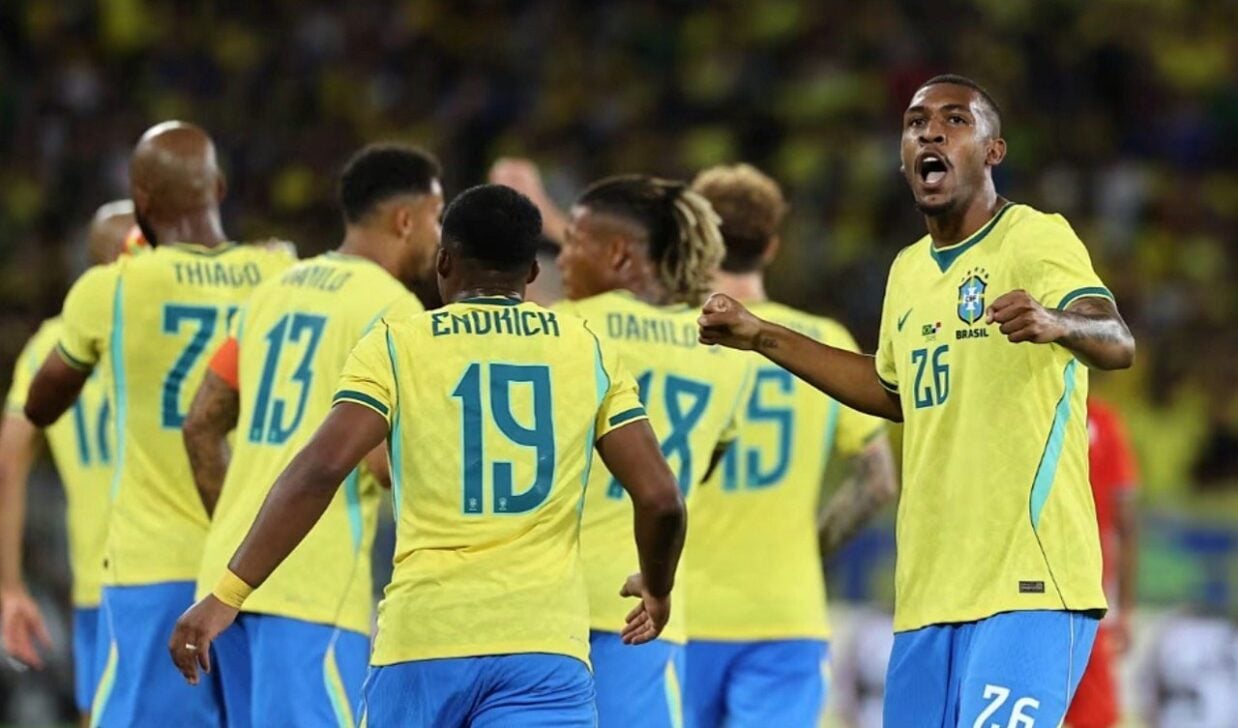
The group stage of the 2026 World Cup reaches its critical moment for the team led by the Brazilian Football Confederation. The Canarian team enters the field in the city of Miami needing to overcome the Scots to guarantee the top of group C, while closely following the simultaneous duel between Moroccans and Haitians, which moves the stands in Atlanta. This outcome not only defines survival in the tournament, but outlines the team’s entire route in the first World Cup played with forty-eight countries. Historically, Brazilians have not fallen in the first round of a World Cup since the 1966 edition in England, a statistic that adds extra weight and natural pressure to the decisive clash on North American soil.
Group math requires attention to the federation’s tiebreaker criteria
The current scenario of the leaderboard shows a technical tie at the top, with South Americans and Africans boasting four points gained in the initial rounds of much perspiration. The European team is breathing in the competition with three points and is dreaming of an unlikely tactical turnaround to steal the lead in the final ninety minutes. As the direct clash between the green-yellow squad and the North African squad ended without a winner in the last game, football’s highest entity will use goal difference as the main cutting tool to separate the leaders. If equality persists in the overall numbers, the number of balls in the net and, ultimately, the yellow and red cards received will come into play to decide who advances with group champion privileges.
Data processed by advanced sports statistics systems indicate that the five-time champion squad has a sixty-two percent chance of finishing this stage in the highest place on the provisional podium. The Moroccans appear close behind with a thirty-five percent probability, leaving the British with a minimum margin of just two percent of total success. A simple victory in Florida guarantees the lead for the Brazilians, as long as the goal difference is greater than that of a possible African victory over the Caribbean team. An unexpected stumble, however, could push the country into the third-place playoff, severely complicating the travel schedule and the athletes’ muscle recovery time.
New tournament format creates traps in the first elimination round
The big news of this edition based in North America is the introduction of the round of 16 stage, an extra knockout stage before the traditional round of 16 that the public is used to watching. The regulations stipulate that the survivors from group C will cross paths with the teams allocated to group F, creating a web of tactical possibilities that keeps any performance analyst up at night. Finishing at the top means, in theory, taking on a more worn-out or technically inferior opponent on paper. On the other hand, slipping to second place forces the team to measure strength against a seed leader in the first do-or-die game, turning the tournament into an early pressure cooker.
Possible opponents range from Asian zebras to European powers
Depending on the final whistle in the two American stadiums, the coaching staff will need to prepare the squad for completely different realities in the acute phase of the competition, requiring specific game plans for each style of opponent:
- Passport stamped as absolute leader: Coming across the vice-leader of group F opens the chance of a historic reunion against Japan, remembering the four-one defeat that took place in Germany, exactly two decades ago. Sweden and the Netherlands also compete in this spot, but the initial path tends to be less traumatic, allowing adjustments to the starting team and a smoother progression of difficulty.
- Advancement in second place overall: Stumbling in the tiebreaker criteria means going head to head with the best team in the crossover group. This route anticipates the stress level of the tournament, demanding an impeccable performance right from the start and increasing physical exhaustion before even dreaming of the quarter-finals, putting physical planning at risk.
- Dramatic survival in the repechage: Falling to third place turns the journey into a real minefield. The regulation would force an early clash against giants that dominated their respective groups, putting powers like Spain, Germany or France on the immediate radar, which would require unprecedented tactical overcoming to not return home early.
Return of a fundamental player livens up the scenes before the decisive game
In addition to having a calculator in hand and keeping a close eye on the simultaneous scores, fans received a boost of encouragement straight from the training center in the last few hours. The medical department released Neymar to participate in ball activities without restrictions, and the athlete has a great chance of gaining precious minutes in the final stretch of the clash against the Europeans. This gradual reintegration serves as a formidable strategic asset for the coach, who will be able to test more aggressive formations if the score in Miami requires a quick and creative response. The group’s focus now is to ensure mathematical tranquility in the table so that logistical planning can support the marathon of games that separates the team from the dreamed World Cup final.