

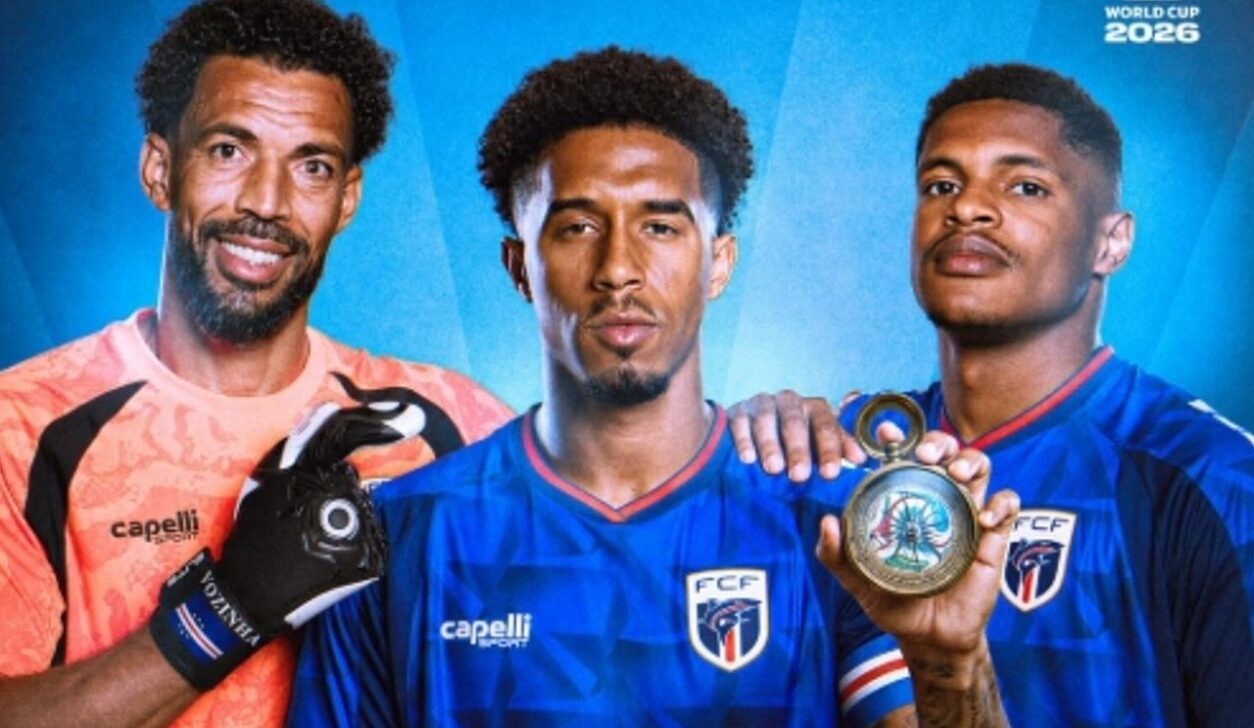
The pitch in Miami witnessed an unprecedented milestone for African football during the confrontation between the Cape Verde team and the Uruguay team for the 2026 World Cup. The final score of 2-2 reflected the delivery of both teams, with Kevin Pina and Hélio Varela writing their names in history by scoring the country’s first goals in the global tournament. On the South American side, Maxi Araújo and Agustín Canobbio were responsible for breaking through the opponent’s block. The result secured a fundamental point for the “Blue Sharks”, who continue to dream of an unprecedented qualification.
The African team’s campaign takes on a surprise, especially after the surprising equal result obtained against Spain in the first round. The team provisionally occupies third place in Group H, losing second place to the Uruguayans only on the goal difference tiebreaker criteria. The future of the key will be decided in the coming days, when the Cape Verdeans travel to Houston to measure forces with Saudi Arabia, while the celestial squadron will have the tough mission of facing the Spanish.
Group H table scenario after the end of the second round
The updated group numbers show a notable balance between candidates for places in the round of 16:
- Spain: 4 points (2 games, 1 win, 1 draw, 4 goals scored, 0 conceded)
- Uruguay: 2 points (2 games, 0 wins, 2 draws, 3 goals scored, 3 conceded)
- Cape Verde: 2 points (2 games, 0 wins, 2 draws, 2 goals scored, 2 conceded)
- Saudi Arabia: 1 point (2 games, 0 wins, 1 draw, 1 goal scored, 5 conceded)
The defensive behavior of the “Blue Sharks” in the opening 45 minutes repeated the solidity shown in the previous duel against the Europeans. The marking line worked in a disciplined manner, frustrating rivals’ infiltration attempts. As the South Americans presented a slower offensive transition compared to the pace imposed by the Spanish in the opening round, the African defenders were able to act with greater calm in protecting their own area.
Security in the defensive sector encouraged the team to explore the attacking field more frequently. In the 19th minute, an attack by Telmo Arcanjo forced midfielder Rodrigo Bentancur to commit an infraction in the intermediate zone. From the penalty spot, Kevin Pina took responsibility and fired a stunning shot into the right corner, beating veteran goalkeeper Fernando Muslera. The move opened the scoring and scored Cape Verde’s first goal in all editions of the FIFA tournament.
The disadvantage on the scoreboard awakened urgency in the celestial squad, which immediately intensified its presence in the attacking field. The Uruguayan response was based on the traditional strength of the aerial game, a historical characteristic of the two-time world champion team. Through two precise crosses, the South Americans reversed the adverse scenario even before heading to the changing rooms.
The equalizing goal came from an unfortunate situation on the part of full-back Sidny Lopes Cabral, who deflected the ball against his own post, allowing Maxi Araújo to grab the ball to score his second goal in the competition. Minutes later, the same Araújo acted as a waiter when crossing the line for Agustín Canobbio. The athlete who defends the colors of Fluminense in Brazilian football did not waste the opportunity and gave the Uruguayans a temporary advantage.
Changes promoted in the tactical scheme guarantee the African reaction
The return for the complementary stage brought an aggressive stance designed by coach Bubista, who abandoned the line of four midfielders to adopt a 4-3-3 formation focused on speed through the wings. The substitutions began right at half-time, with Deroy Duarte taking Telmo Arcanjo’s place. In the 13th minute, the coaching staff renewed the attack by replacing Hélio Varela and Nuno da Costa in the places of Garry Rodrigues and Gilson Benchimol, respectively.
The new tactical format stifled the ball from “Celeste Olímpica” and generated almost immediate results. Just two minutes after stepping onto the pitch, Hélio Varela pressed on Mathias Oliveira in the right sector of the attack, inducing the full-back to make a mistaken pass. With extreme speed, the Cape Verdean striker intercepted the play, left Muslera behind outside the penalty area and hit firmly to declare new equality on the scoreboard.
The draw did not serve the purposes of any of the delegations, transforming the final stretch of the confrontation into a test of physical and mental resistance. The Uruguayans tried to impose an offensive blitz, but were faced with a lack of creative repertoire to deconstruct the barrier set up at the entrance to the area. The Africans, aware of the importance of the point won, closed the central spaces and only relied on sporadic counterattacks to try to surprise.
The additions delivered acutely dangerous moves that could have changed the fate of the game. The South American team wasted two crystal clear chances at the feet of Darwin Nuñez and Canobbio, with the Fluminense player coming out in front of archer Vozinha, but finishing from the baseline. The African team also approached the opponent’s goal in the final moments, stopping only in a providential cut by the celestial defense before the final kick.
The final whistle consolidated a score that keeps the Cape Verde team depending only on its own strength in the closing round of the group stage. Uruguay’s situation became more delicate, requiring a triumph over the powerful Spanish team to avoid an early elimination from the tournament.
Historical facts and statistics that marked the duel in Miami
- The clash held in the United States represented the first time that the two nations faced each other in an official football match.
- The Uruguayan squad maintained a sequence of two consecutive victories against teams from Africa in World Cups (Egypt in 2018 and Ghana in 2022). The draw maintained Celeste’s unbeaten record against teams from the continent, but broke the series of consecutive victories.
- Goalkeeper Fernando Muslera and striker Garry Rodrigues relived the times when they shared the dressing room at Galatasaray, in Türkiye. The two athletes, who started the match as starters, played together between 2017 and 2019, a period in which they won two Turkish Championship cups.