

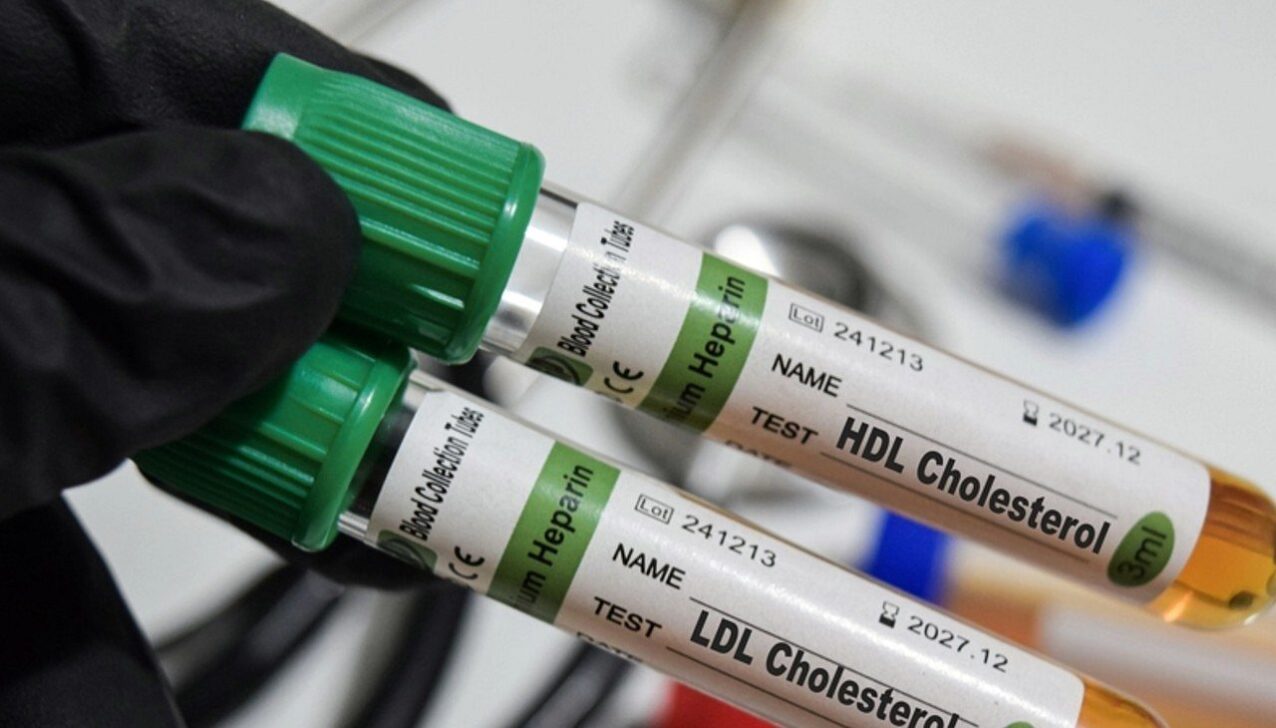
Millions of individuals around the world are affected by high cholesterol levels, a condition that, although silent, can be significantly influenced by everyday choices. Managing this vital metric for cardiovascular health directly depends on the routines we establish.
Practices such as avoiding ultra-processed food items, maintaining a physical exercise routine and ensuring adequate sleep are among the most effective actions to keep cholesterol levels under control. Including a sufficient amount of fiber and omega-3 fats in the diet can also drive considerable improvements.
Hypercholesterolemia, often characterized as a “silent” condition, does not usually manifest notable symptoms. However, over time, high concentrations of cholesterol contribute to the formation of plaque in the arteries, a process known as atherosclerosis, increasing the risk of heart disease and stroke. Recent data indicate that more than 86 million adults in the United States have total cholesterol levels above 200 mg/dL, placing them in a higher cardiovascular risk category.
Although genetic predisposition is an important factor in determining cholesterol levels, lifestyle habits play a crucial role. Specialist Drew Hemler, M.Sc., RD, CDN, FAND, highlights that “patterns that we repeat more frequently can both promote heart health and make it difficult to control cholesterol over time”, highlighting the influence of factors such as diet, exercise, smoking, alcohol consumption, stress and sleep.
Health experts point out four habits that should be avoided, offering practical alternatives to help maintain a healthy heart and cholesterol levels within normal limits.
Choosing ultra-processed foods in your eating routine
It is not necessary to completely eliminate all processed products, as processing simply refers to some form of preparation and is a convenience for many families. However, the distinction between types of processed foods is crucial. Certain ultra-processed products, such as processed meats, do not provide the same nutritional benefits as whole food proteins and can be an obstacle for those looking to control their cholesterol.
Drew Hemler explains that “processed meats like bacon, sausage, hot dogs, deli meats, and pepperoni can be high in saturated fat and sodium, and tend to be present in low-fiber meals.” He adds that “this combination is not good for your cholesterol.” Studies confirm that individuals who consume more processed meat generally exhibit higher levels of total cholesterol, LDL cholesterol and triglycerides. This can be attributed, in part, to the absence of fiber in these foods, a vital nutrient for regulating cholesterol.

According to Hemler, “Letting low-fiber foods take the place of heart-healthy options is another mistake.” He emphasizes that “soluble fiber, a type of fiber that can help lower LDL cholesterol, is found in foods such as oats, barley, beans, lentils, apples, pears, chia seeds and ground flaxseed.” The suggestion is to start with small, sustainable changes rather than aiming for a “perfect” diet.
Replacing processed meats with lean proteins and including more fiber-rich foods in your meals are simple and effective steps to help maintain more balanced cholesterol levels.
A sedentary lifestyle and its impacts on heart health
Physical activity has a relevance comparable to that of diet in promoting cardiovascular health. Sarah Koszyk, MA, RDN, NBC-HWC, states that “movement is critical to our heart health,” explaining that “exercise is the biggest booster of nitric oxide, a powerful chemical that dilates and relaxes arteries, reduces the risk of plaque formation, and ultimately improves cardiometabolic health.”
Scientific research consistently corroborates that regular physical exercise is an essential strategy, both in the primary and secondary prevention of cardiovascular diseases. However, a large proportion of adults spend most of the day in a sitting position. In fact, analyzes of lifestyle changes during the COVID-19 pandemic have linked increased sedentary time to increased LDL cholesterol levels.
The good news is that small increases in physical activity can already generate positive results. Koszyk advises aiming for 150 to 300 minutes of moderate-intensity aerobic activity per week, supplemented by at least two days of strength training. She suggests that “instead of just sitting, start slowly by taking a 10-minute walk a day,” and that “over time, increase the duration and intensity as it becomes part of your routine.”
If including structured exercise in your routine proves challenging, reducing sedentary time throughout the day is an excellent starting point. Taking short walks, opting for stairs instead of elevators, or performing quick strengthening exercises a few times a day contribute to maintaining healthy cholesterol levels and overall cardiovascular health.
Frequent intake of foods high in saturated fat
Studies carried out for decades have established a correlation between high consumption of saturated fat and increased LDL cholesterol, leading the Dietary Guidelines for Americans and the American Heart Association to recommend limiting foods that are the main sources of this type of fat.
As Koszyk explains, “Saturated fat raises LDL cholesterol by inhibiting the liver’s ability to remove it from the bloodstream.” She cites foods such as “processed meats, sausage, bacon, pork belly, fatty cuts of beef and pork, chicken skin, butter, ghee, cream, coconut oil and palm oil” as examples of items high in saturated fat.
This does not mean that such foods should be completely excluded. The main objective is to prioritize meals that more frequently include ingredients known to promote heart health, such as beans, lentils, nuts, seeds, fish, avocado and unsaturated vegetable oils. Hemler emphasizes that creating a healthy eating pattern does not imply a “bland dish” or the search for perfection, but rather making small changes that are sustainable.
Whenever possible, consider replacing foods high in saturated fat with options rich in unsaturated fats, such as using a vegetable oil in place of butter, or choosing lean animal proteins, such as pork loin, more often than processed meats. These simple changes can help maintain healthier cholesterol levels without compromising taste or satisfaction.
The importance of adequate sleep for cardiovascular health
Sarah Koszyk states that “sleep deprivation is real and not only does it affect your energy levels, but it can also negatively impact your overall cardiovascular health.” Recent research confirms that a lack of sufficient sleep can detrimentally impact LDL cholesterol (small, dense cholesterol) levels.
Sleep is an essential period for the body to rest, recover and rebalance. In addition to helping with hormonal regulation and blood sugar control, quality sleep is essential for heart health. Regular sleep deprivation can contribute to insulin resistance, increased inflammation and changes in hormones that regulate appetite, factors that, in turn, can increase the risk of cardiometabolic diseases.
The good news is that this issue has an affordable solution. Just plan ahead and be mindful of your nighttime habits. If you tend to scroll through your social media feed when you go to bed, try putting your phone away from the bed, dimming the lights, and practicing deep breathing exercises. Establishing a healthy sleep hygiene routine is just as crucial as brushing your teeth.
Additional recommendations for keeping cholesterol under control
Creating new habits often becomes easier when they serve to replace old behaviors that you want to change, functioning as healthier alternatives for the heart.
- Include more fiber-rich foods in all your meals.Hemler and Koszyk agree that this is the most practical action to take on a daily basis. “Consider adding oats, barley, beans, lentils, fruits, vegetables, nuts, seeds, and whole grains (some of the true pillars of heart health) to your daily diet,” notes Hemler.
- Increase your omega-3 intake.Swap processed meats for more salmon, taking advantage of the role of omega-3 fatty acids in heart health. Koszyk suggests “salmon, sardines, tuna, edamame, walnuts, chia seeds, flaxseed meal, and hemp seeds” as great options.
- Spend more time outdoors.Koszyk suggests giving preference to outdoor physical activities, mentioning studies that link exposure to green spaces to better sleep quality, which contributes to cardiovascular health in general. Short walks can be very beneficial, in addition to breaking the monotony of sedentary work.
- Try mocktails.Not only is alcohol a known carcinogen, it is also not beneficial for controlling cholesterol. Learn to enjoy mocktails, using flavorings without added sugar, such as 100% natural fruit juices, which offer antioxidant benefits.