

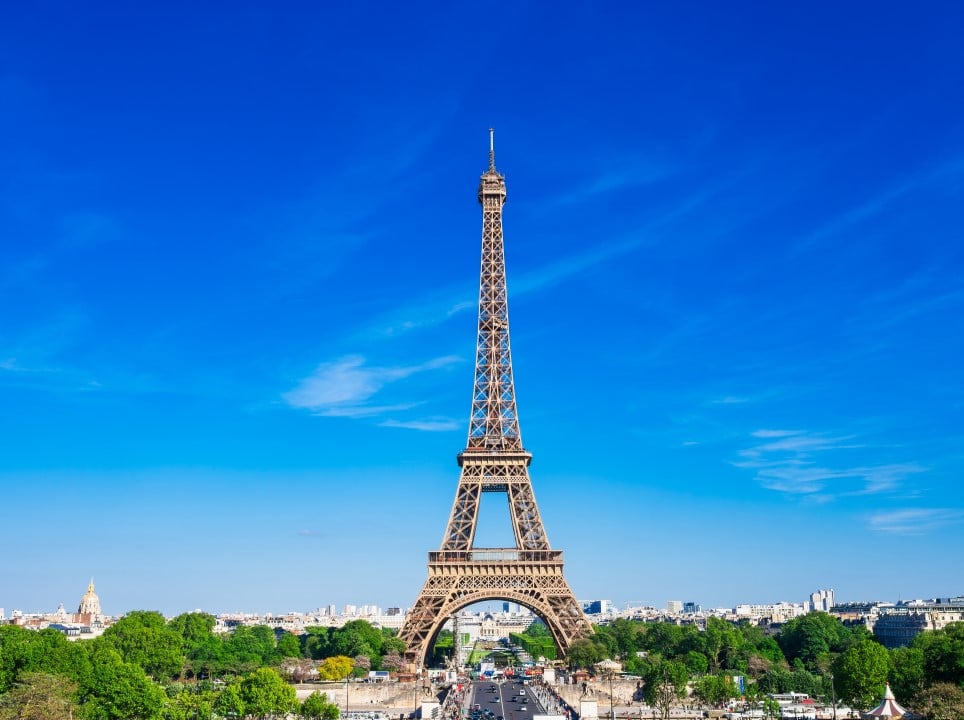
The iconic Eiffel Tower monument, located in Paris, stopped operating this Tuesday (23) due to the intense heat wave that raised temperatures in the French capital to extreme levels.
In an official notice, the tourist attraction’s management announced that “The Eiffel Tower is adapting due to the forecast of high temperatures and will close exceptionally at 4pm [local time]”, indicating a precautionary measure.
From 11am in Brasília time, the tourist attraction would no longer accept visitors. The Eiffel Tower Exploration Society (Sete), responsible for management, informed that previously purchased tickets would be automatically refunded, without a defined date for the resumption of operations.
France and several other European nations are currently facing a severe heat wave, resulting in fatalities and a host of other complications. The meteorological institute Météo France projects that the capital will experience temperatures close to 40°C on Tuesday afternoon, with peaks that could reach 44°C in the following days.
Number of drowning deaths rises in France during heat wave
Since June 18, the intense heat wave that has been plaguing the European continent has caused the death of 40 people in France by drowning, with the majority of victims being young people, as announced by the French government this Tuesday (23).
During an emergency meeting called to discuss the impacts of the heat wave, French Prime Minister Sébastien Lecornu confirmed the data. This Tuesday morning set a record as the hottest ever recorded in the country’s history.
Marina Ferrari, Minister of Sports, noted that many French citizens seek relief from the heat in canals and rivers. She issued a warning to the public to avoid swimming in places that are not regulated or that present safety risks.
The AFP news agency reported that around 90% of the French population resides in regions where authorities issued red or orange alerts for extreme heat this Tuesday. In certain areas of western France, temperatures can reach an impressive 43°C.
Not even the night period offered much relief to residents, as approximately 30 monitoring stations still indicated temperatures above 25°C, demonstrating the persistence of the heat.
In an initiative to mitigate discomfort, Paris City Hall distributed free cinema tickets to young people under 25 and seniors over 65, providing an air-conditioned refuge. Furthermore, the heat wave caused the cancellation of several train services, including the route between Paris and Brussels.
Patrick Martin, president of MEDEF, France’s main employers’ association, told BFM TV that “France is operating at a slow pace.” He added that companies are doing their best to follow the guidelines and safeguard the health of their employees.
The heat wave is not restricted to France; Countries such as the United Kingdom, Italy, Spain and Belgium also face the effects of high temperatures.
The Italian Ministry of Health, in turn, raised the alert level to the maximum in 15 cities. The government adopted emergency actions, such as suspending or reducing activities in specific sectors to protect the population.
In the United Kingdom, numerous schools have decided to close their doors early, justifying that the old structure of the buildings does not offer adequate conditions to maintain classes with more than 30 students in such high temperatures.
The World Meteorological Organization (WMO) highlights that Europe is registering warming at a rate greater than twice the global average, intensifying the frequency and duration of extreme heat episodes. This historical context offers a worrying perspective on climate trends that are already directly affecting the daily lives and safety of citizens on the continent, as evidenced by the closure of historic landmarks and tragic drowning deaths.