

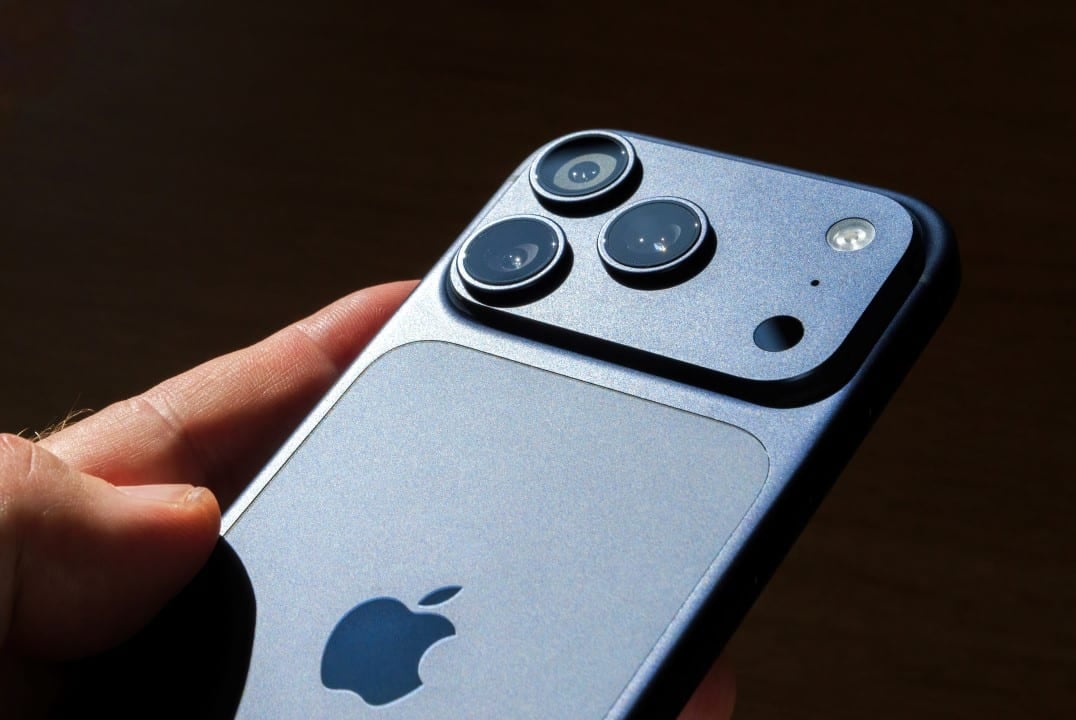
Recent information in the technology industry indicates that Apple has decided to remove Chinese suppliers, such as BOE, from the next generation of its products with OLED screens. Devices such as the expected iPhone 18 Pro, the innovative foldable iPhone Ultra and the MacBook Pro with M6 chip must have their display components supplied exclusively by South Korean giants, divided between Samsung and LG according to the type of device.
Quality problems keep Chinese companies away from supply
The revelations, disclosed by industry sources to the Korean portal ETNews, indicate that BOE was unable to organize its production lines in time, after facing delays related to the quality of the panels. This factor would have been decisive for the company to be left out of Apple’s new contracts, despite having previously been approved to work on the iPhone 17 Pro series, where it also faced challenges.
If this scenario was confirmed, no Chinese manufacturer would have obtained orders for OLED screens from the Apple brand. This absence paved the way for Samsung and LG to completely dominate the Cupertino giant’s supply contracts, with both companies having already started mass production of the components.

Distribution of display contracts between Samsung and LG
The ETNews portal detailed how the screen supply division was established between the two South Korean companies. Given Samsung’s historically higher volume capacity, the company has taken on the largest share of deals, which include considerable technical challenges, especially with the iPhone Ultra, Apple’s likely first foldable smartphone. The organization was as follows:
- Samsung and LG:Responsible for producing the iPhone 18 Pro and iPhone 18 Pro Max screens.
- Samsung:It will be in charge of the iPhone Ultra (whose screens have already gone into production), the iPad Mini 8 and the MacBook Pro with M6 chip, which will mark the debut of OLED technology in the company’s notebooks.
- LG:It will take over all of the Apple Watch Series 12 displays.
Change in Apple’s supply strategy
This strategy stands out for being a change in Apple’s history, which frequently works with multiple suppliers to optimize costs and strengthen its negotiating power. However, the technical complexity of the new panels would have forced the brand to limit the options, a point that would also consolidate “the technological superiority of South Korean solutions”, according to an analysis by the news site. This choice demonstrates a prioritization of innovation and component quality, even if it means concentrating risk on fewer partners, instead of the usual diversification.
The first major launch with these new components should be the iPhone 18 Pro, with the announcement expected in early September. More information about the components selected by Apple should emerge as the products get closer to launch and hit the market.