

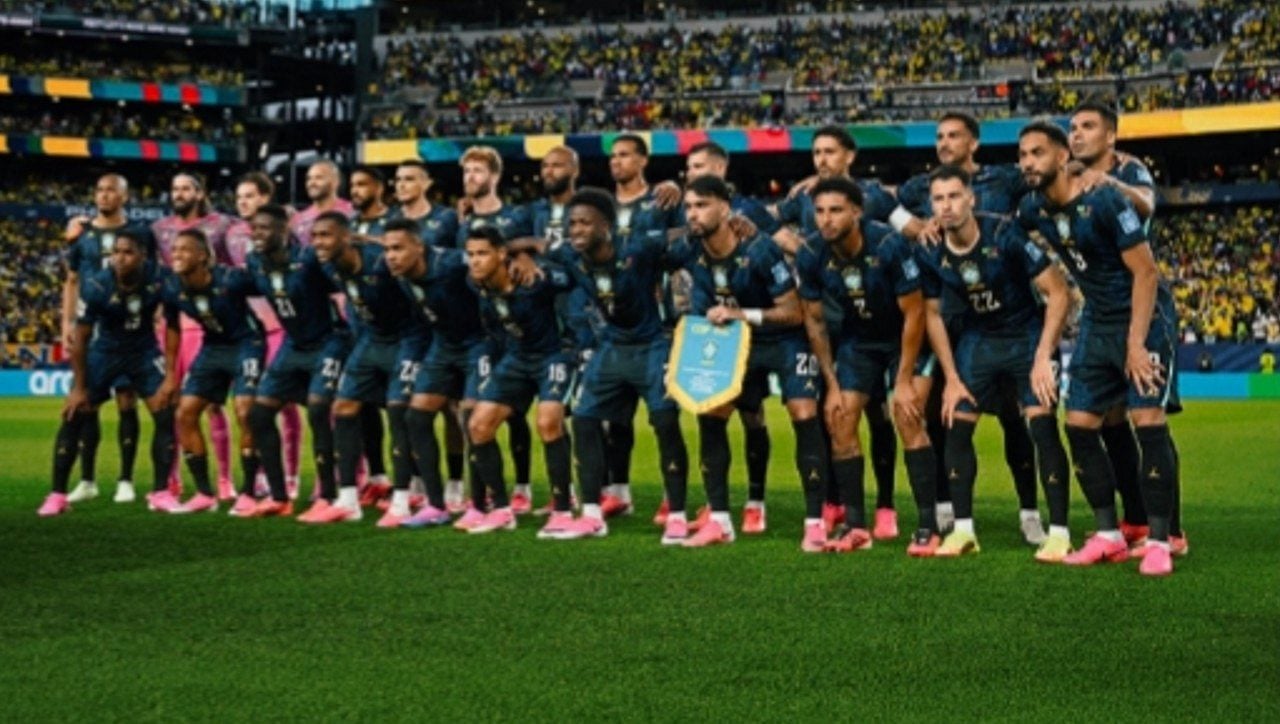
Spectators of the 2026 World Cup have noticed the notable presence of pink boots on the football pitches. Far from being just an individual preference of athletes, this visual trend is the result of strategic planning that began long before the tournament.
The wide adoption of this shade in sports shoes was already predicted by market analyses. In 2024, the WGSN consultancy had indicated shades of intense pink, such as “electric fuchsia”, as key colors for the year 2026. Given the time needed to develop and produce new boot models, manufacturing companies incorporated these projections into their designs.
Image strategist Nâmbia Waked highlights that “vibrant pink was being highlighted by global consultancies as a color with great potential for the coming periods, especially due to its ability to cause visual impact and stimulate engagement”.
Although the color stands out on the pitch, helping to make players’ movements visible, the main driver behind this choice is the commercial aspect. According to Nambia Waked, the main sports equipment manufacturers monitor the same trend studies to discover niches and develop products that capture the public’s attention, both during matches and on a daily basis. The high demand for innovation and the long design and production cycle of cutting-edge sports equipment require brands to trust these projections to guarantee the relevance and return on their million-dollar investments when launching each collection.
This convergence results in an interesting scenario: major competitors such as Nike, Adidas, Puma and New Balance have converged towards the same aesthetic direction. For the analyst, this unanimity highlights the influence of market reports, at the same time as it invites reflection on the real ability of brands to stand out.
Nâmbia Waked comments that “what is most surprising is not the preference for pink, but the unanimous decision of all brands for the same shade. There was research, planning and market analysis. However, in practice, even seeking differentiation, all companies reached the same point.”
Millions of spectators follow the matches globally, transforming the World Cup into an international stage for fashions and concepts that were already developing discreetly behind the scenes. In 2026, the color pink has not only established itself in the fashion universe, but has established itself as a prominent element on the world football scene.
