

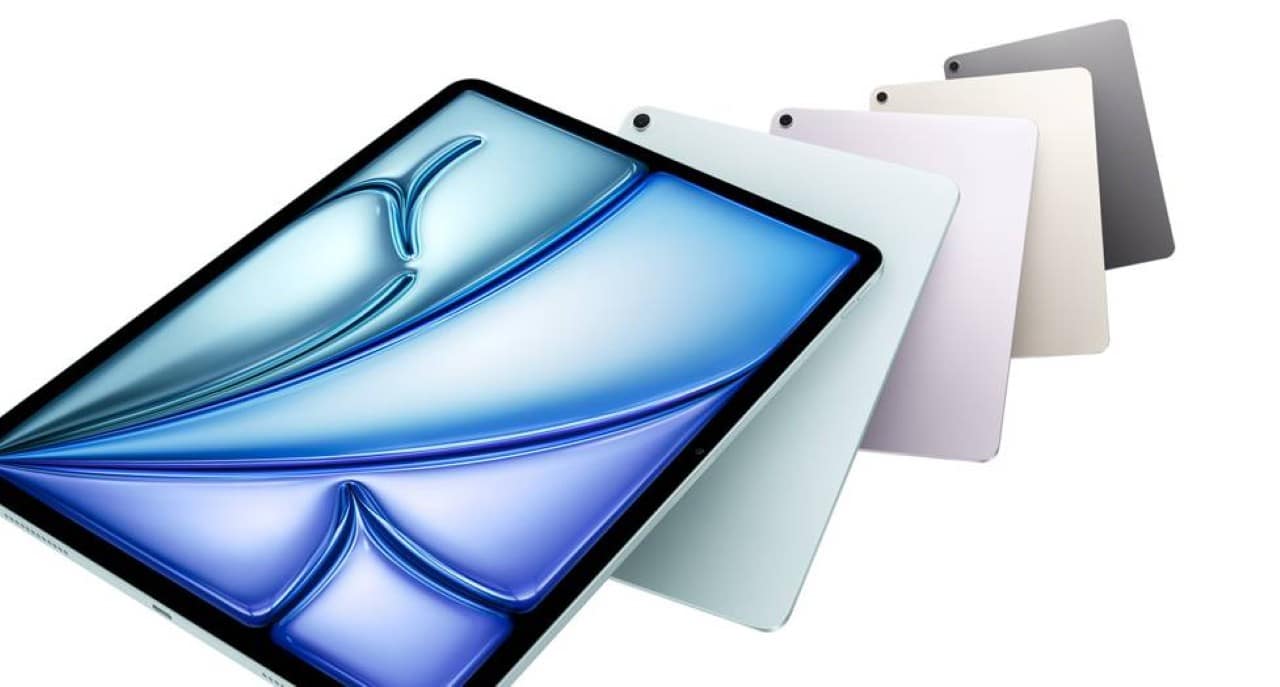
Apple has implemented significant price adjustments for its Mac computers and iPad tablets, with increases that could exceed US$200 on some models. The measure comes a week after the company’s CEO, Tim Cook, warned that rising memory costs made these increases “inevitable” in the global technology market.
Apple devices become more expensive on the global market
Mac computers had their values adjusted by around 15% to 20%, while iPads registered increases ranging between 15% and 25%. The change in the catalogs was noticed in the early hours of last Thursday, when Apple’s online store was temporarily deactivated – a usual procedure before major announcements or price updates. This change directly impacts consumers who planned to purchase new devices from the brand.
Tim Cook’s justification for the readjustments
The technology giant’s leader, Tim Cook, had anticipated the decision, citing an “unprecedented” increase in the prices and availability of memory chips. Such components are crucial to the performance and storage capacity of Macs and iPads. The company, according to Cook, had been facing considerable pressure due to the increase in the cost of raw materials and semiconductors essential for the manufacture of its products.
Supply chain pressure drives values
The scenario of rising component costs is not exclusive to Apple. The global technology industry has been dealing with severe supply chain disruptions and a prolonged shortage of semiconductors, exacerbated by high demand during the pandemic and production challenges. Electronics manufacturers around the world have been feeling the impact of higher prices for chips, screens and other materials, resulting in pass-throughs to end consumers. This complex dynamic, with bottlenecks at various stages of manufacturing and logistics, creates a challenging environment for maintaining stable prices.
Financial impact for Apple consumers
For consumers, especially in emerging markets where purchasing power is more sensitive to currency fluctuations, these increases mean an even greater investment in premium technology. Apple’s decision could influence the choice of older models, refurbished products or even boost the search for alternatives from other brands that offer a cost-benefit ratio perceived as more advantageous. Market analysts note that Apple’s pricing strategy, while focused on profit margin sustainability, could test the loyalty of its customer base in a period of global economic instability.
Technology market perspectives and future projections
Apple’s price hike could signal a trend for the rest of the technology sector as other companies also face the same supply chain challenges. The possibility of a cascade effect is observed, where competitors and other hardware manufacturers may also be compelled to adjust their prices to compensate for increased production costs. Apple’s ability to absorb or pass on these costs is an important factor in its business strategy, but the current magnitude of the increases indicates that the limit to absorption has been reached.
- Rising prices for memory and storage components in the global market.
- Constraints and bottlenecks in the global supply of semiconductors.
- Continuous increase in demand for electronic devices on several fronts.
- Widespread inflationary pressures and rising logistics costs.
- Statements from CEOs, such as Tim Cook, pointing out the inevitability of readjustments.