

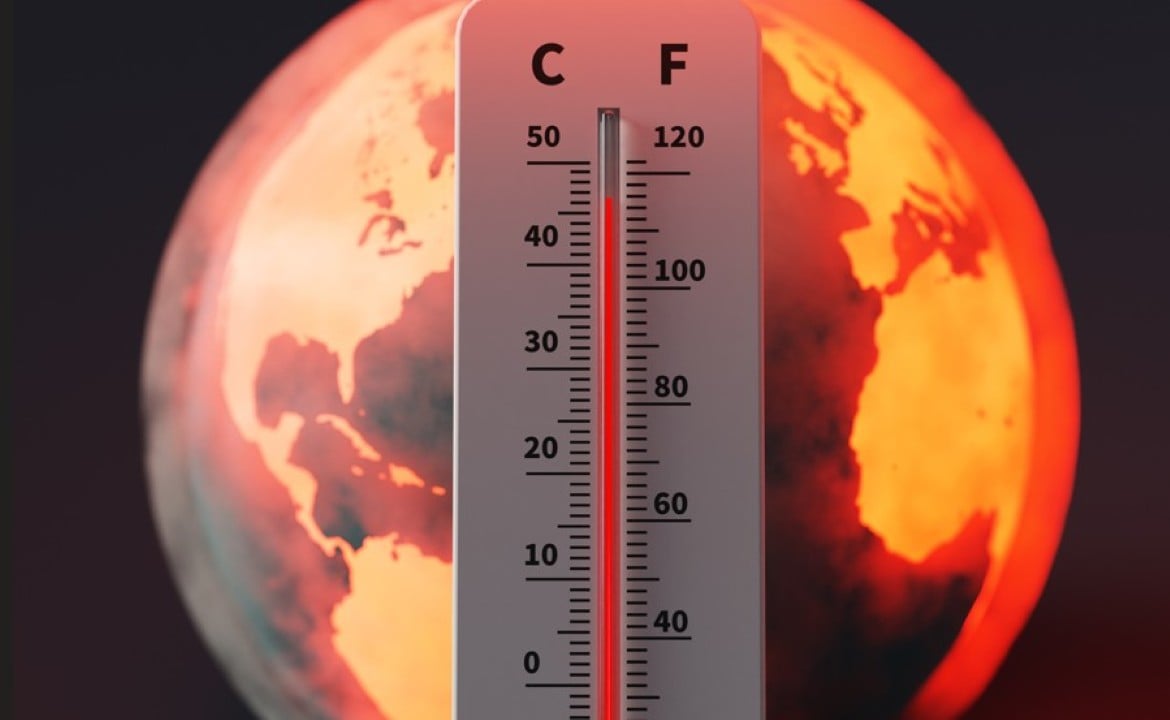
The National Oceanic and Atmospheric Administration (NOAA) announced the official start of the El Niño phenomenon, a natural climate event that causes surface waters in the equatorial Pacific Ocean to warm. This confirmation signals a phase of significant changes in meteorological patterns in several regions of the globe, with the potential to drastically impact average temperatures and the occurrence of extreme events around the planet.
This oceanic pattern is recognized as triggering broad changes in atmospheric circulation, leading to a reconfiguration of rainfall and temperature regimes. Such changes are capable of generating a series of repercussions, from intense heat waves and prolonged droughts to severe floods and storms, which vary depending on the geographic location and intensity of the phenomenon.
Rising risks to global food security
The manifestation of El Niño represents a considerable threat to the stability of food systems worldwide. The complex web of food production and distribution becomes vulnerable when extreme weather patterns affect key agricultural regions, raising concerns about the availability of essential commodities and the livelihoods of agriculture-dependent populations.
One of the biggest concerns lies in the possibility of more intense droughts in important grain production hubs. Areas like the Corn Belt in the United States and the vast soybean plantations in South America are critical to global supply. The drastic reduction in soil moisture and the lack of rainfall in these locations can decimate crops, seriously compromising the harvest of products vital for human and animal consumption.
In contrast, other areas crucial to global agriculture may experience excessive amounts of precipitation. Regions historically producing rice and wheat, for example, are at risk of floods that damage crops, delay planting or prevent harvesting. This water imbalance, with deficits in some places and surpluses in others, creates a scenario of uncertainty for food production on an international scale.
Economic consequences and pressure on consumer prices
Crop damage, whether due to drought or floods, has a domino effect that extends throughout the supply chain. The reduction in the supply of essential agricultural raw materials naturally puts pressure on markets, resulting in a general increase in the prices of commodities such as corn, soybeans and wheat. This escalation in values is felt primarily in the international market.
The impact is subsequently transmitted to end consumers around the world. Processed products, meat and dairy products, which directly depend on these agricultural inputs, tend to become more expensive. This means that families may have to bear a higher cost to purchase basic foods, impacting purchasing power and food security, especially in developing countries. Historically, stronger El Niño events have been associated with inflationary spikes in key sectors.
In addition to the direct cost, climate unpredictability driven by El Niño can destabilize agricultural economies and cause significant financial losses for farmers and exporting countries. Brazil, for example, one of the largest grain and meat producers in the world, closely observes climate projections to plan its harvests and market strategies, given its vulnerability to such phenomena.
Monitoring and expectations for the current cycle
Climate scientists and weather agencies such as NOAA are stepping up monitoring of this El Niño to assess its likely intensity and duration. The phenomenon tends to last between nine and twelve months, with the most severe impacts generally occurring during the peak of its activity, which often extends until the end of the calendar year or the beginning of the following year. Understanding the trajectory of this event is crucial to predicting its effects.
International organizations, such as the Food and Agriculture Organization of the United Nations (FAO), have already issued warnings about the risks to food security and the need for preparations. Governments and rural producers are encouraged to implement mitigation strategies, such as the use of crop varieties more resistant to extreme conditions, efficient irrigation systems and emergency stocks. The experience of previous El Niños, such as that of 2015-2016, which caused billion-dollar economic losses in several countries, serves as a reference for the challenges that may arise.