

Iranian national team coach Amir Ghalenoei has declared that he will not address topics “that do not exist” as his team prepares for the match against Egypt, designated as the “Pride Game” in Seattle. The coach’s posture reflects the delicacy of the confrontation.
Local organizers selected the match as a “Pride Game” because it coincides with the Friday before the city’s Pride Weekend, a period dedicated to celebrating diversity and the LGBTQ+ community.
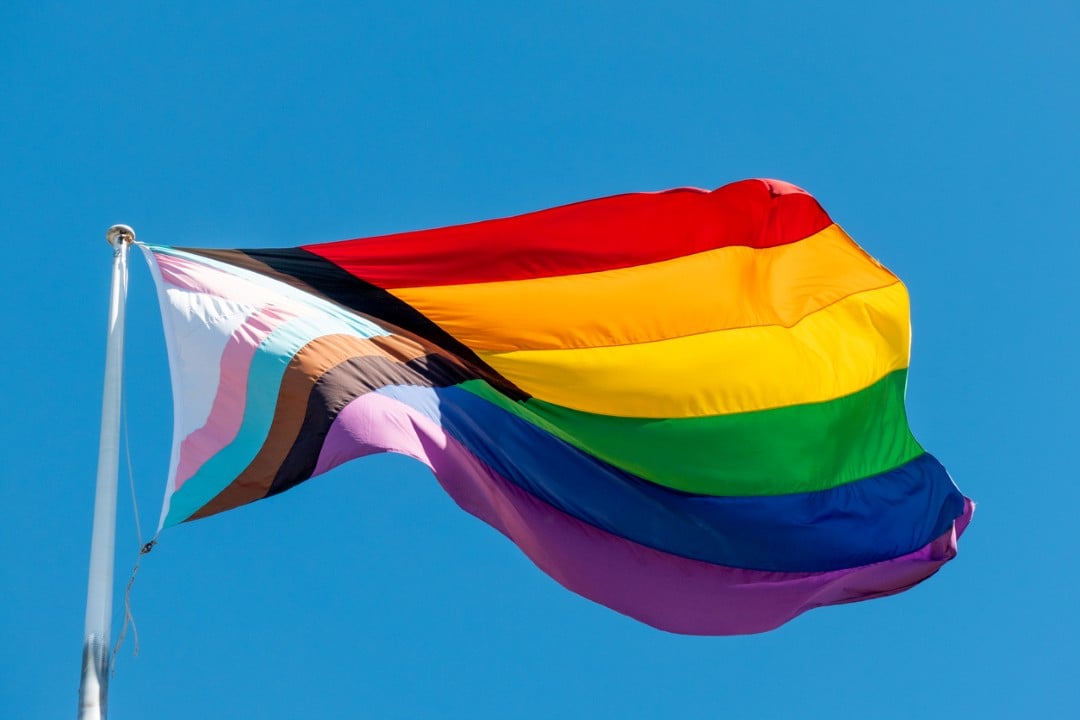
Events such as drag queen performances and parties were scheduled to accompany the LGBTQ+ Pride Parade across the city. Inside the stadium, rainbow flags, a symbol of LGBTQ+ pride, diversity and social inclusion, will be visible. The event goes ahead despite objections from Iran and Egypt, nations where homosexuality is criminalized.
The two teams ensure that they are solely focused on football. During the pre-game press conferences, which precede Saturday’s match at 4 am (Brasília time), both coaches avoided questions related to gay pride.
“We are here to play football, not for other things,” said Ghalenoei. He added that he does not want to discuss “things that are prohibited in our religion and that do not exist.” The focus, according to him, is “just the match, the football and the beauty of the game”.
Representatives of the Seattle organizing committee, in turn, assured that the choice of the date for the “Pride Game” was not intended to provoke. They explained to the BBC that the weekend of celebration was already defined before the draw that pitted Egypt and Iran against each other, emphasizing that the reaction to discomfort should be curiosity, not withdrawal.
“We’re very excited,” said Hedda McLendon of the Seattle World Cup organizing committee. She explained that, despite different lifestyles or customs in other countries, the celebration is a particularity of the city that they hope everyone will experience with curiosity.
With a commanding view of Seattle’s football stadium, McLendon and other members of the organizing committee reiterated that the identity of the opponent did not matter. The match was already scheduled before the teams were announced, and they would celebrate both the beauty of American football and gay pride.
The city of Seattle celebrates its local identity and culture
“The match is about Seattle, not Egypt or Iran,” said Jess Fishlock, a Welsh football legend who currently resides and plays for Seattle Reign FC and is a member of the organizing committee.
She reinforced: “Regardless of who is on the field, our stance will be the same. This is a fundamental aspect of Seattle’s identity and culture.”
FIFA, world football’s highest governing body, confirmed the permission of rainbow flags inside the stadium. The entity clarified, however, that this is not a “FIFA Pride Game”, but rather another World Cup match hosted in a city that celebrates the LGBTQIA+ Pride weekend.
“The 2026 FIFA World Cup is an inclusive event that welcomes people of all backgrounds. Fans of all sexual orientations and gender identities are welcome at matches and events,” the organization said in an official statement.
FIFA added that “general human rights statements, including rainbow flags and other flags representing sexual orientation and gender identity, are permitted under the 2026 FIFA World Cup stadium code of conduct and may be displayed inside stadiums provided they are used in a manner consistent with the code.”
Cultural differences generate impasse over the celebration of diversity
In the fan area, Egyptian fans were seen cheering on Mexico days before their own team played Iran. For them, the issue of gay pride was irrelevant.
“Right now, the important thing is that two teams are fighting to advance to the next round,” said Makarius Demian, who expressed support for gay rights. He stressed that “with or without the Pride game, that’s not what really matters.”
Next to the big screen, a temporary Egyptian restaurant was preparing for the match, offering a familiar taste to fans. “Koshari”, a traditional Egyptian dish consisting of lentils, chickpeas, pasta, fried onions and tomato-garlic sauce, was the flagship dish.
Owners Ayman Almasri and Amani Abouammo closed their Koshari restaurant during the World Cup to operate a temporary version in the fan zone, where they served vegan Egyptian street food.
They described the situation of Egypt and Iran playing in a Pride match as embarrassing, attributing it to deep cultural misunderstandings. For these nations, public displays of LGBTQIA+ pride are often seen as an affront to deep-rooted social and religious values, heightening the complexity of the situation in a global event.
“There is a culture here, and people are used to it,” Abouammo said. “At home, people are not used to it. This is the confusion that prevents each side from understanding the other.”
On the field, the game has great sporting importance. Egypt arrives motivated, after beating New Zealand, with a real chance of leading Group G.
Iran, in turn, faces a different scenario, with its tournament already marked by political issues, travel restrictions and complaints about preparation time, even with permission to arrive in the host city earlier than in previous clashes.
As Egypt and Iran seek to advance through the knockout stages, this match transcends what just happens on the field.
It also represents a glimpse of the scenario when a World Cup is hosted in a city that celebrates a set of values, while two of the participating nations arrive carrying significantly different cultural and social values.