Innovative research from almost five decades points to the beginning of loss of physical strength at age 35

The physical capacity and conditioning of the human body begin to show signs of decline after the age of 35, a process that begins earlier than many people imagine. This is one of the main conclusions of a comprehensive and unprecedented study carried out by researchers at the Karolinska Institute in Sweden.
The research stands out for being an extremely rare longitudinal follow-up, which monitored the same individuals for an impressive 47 years. The results were published in November 2025 in the prestigious Journal of Cachexia, Sarcopenia and Muscle, bringing new perspectives on aging and health maintenance.
Understanding the unique methodology of the Swedish study
The difference between this investigation lies in its long-term methodology, which contrasts with most previous studies. While traditional research often compares groups of different age groups at a single point in time, the Karolinska Institute’s work followed the same participants, men and women, who were between 16 and 63 years old at the beginning of the analysis.
More on this story: Deep squats: how mastering the ancient movement can prevent falls and boost longevity
This continuous monitoring for decades has allowed scientists to observe, with unprecedented clarity, the gradual changes and evolution of the individual body over time. Repeated measurements of physical fitness, muscular strength and endurance provided a detailed picture of participants’ physical health as they aged.
The progression of decreased physical capacity with age
Data collected over almost 50 years of observation reveal that the decrease in physical capacity manifests itself in adulthood, around 35 years of age. From that point on, the drop in performance progresses steadily, becoming even more pronounced as the person advances in age.
This deterioration was consistently observed across all metrics analyzed by the researchers, ranging from muscular strength to general endurance and conditioning. This suggests that reduced physical capacity is not an isolated phenomenon, but rather a process that affects the global functioning of the human body.
See Also

Learn how to identify intrusions on WhatsApp and avoid financial fraud

PlayStation 5 owners gain lifetime access to three great games

Russian Islam Makhachev dominates Ian Machado Garry and wins main fight at UFC 330
Benefits of exercise even starting at an advanced age
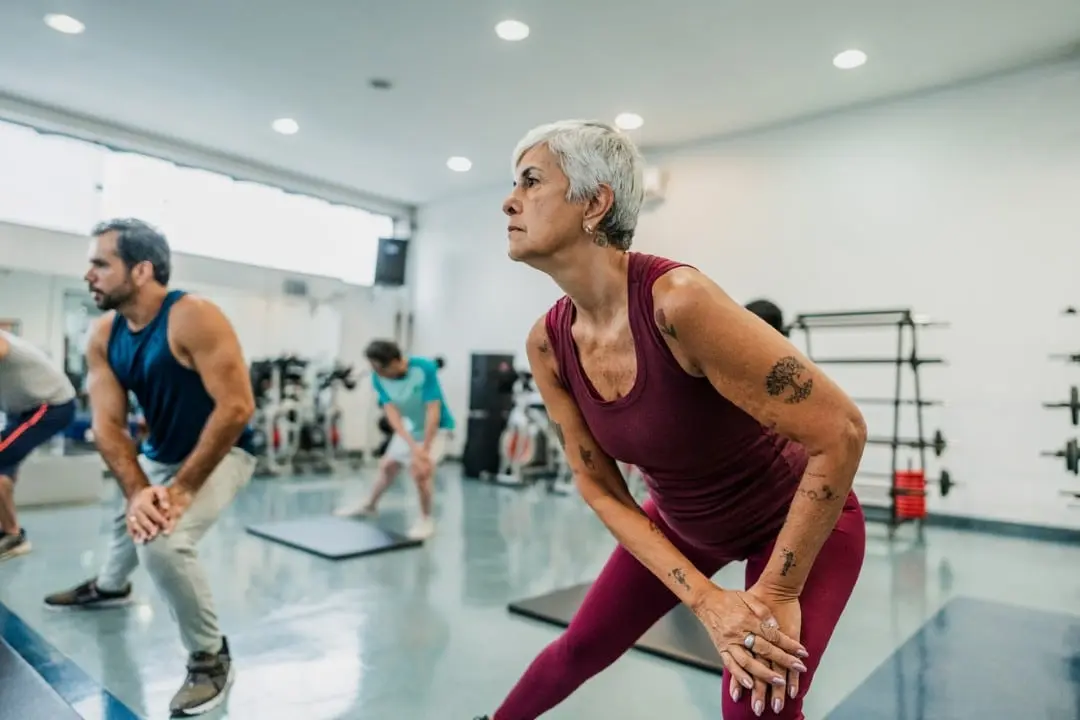
Although the study points to a natural decline in physical capacity with age, it also brings an encouraging message. Individuals who began exercising regularly in adulthood demonstrated significant improvements in their physical condition, with a 5% to 10% increase in their performance.
This finding is crucial, as it reinforces that it is never too late to start or resume physical activity. The benefits for health and well-being can be achieved regardless of the age at which you start, positively impacting quality of life and autonomy.
Maria Westerståhl, professor at the Department of Laboratory Medicine at the Karolinska Institute and main author of the research, emphasizes the importance of this finding in an official statement. “Our study demonstrates that physical activity can postpone the decline in performance, although it cannot completely stop it,” said the expert.
Next steps and relevance to public health
The researchers plan to continue monitoring the group, with a new reevaluation scheduled for when the participants turn 68 years old. The goal is to deepen understanding of how lifestyle, environmental factors and individual health conditions interact and influence these physical transformations throughout life.
The discovery that decline begins early and that exercise is beneficial at any stage provides valuable context for public health policymaking and awareness campaigns. It reinforces the need to encourage physical activity as a preventative and health maintenance measure throughout adult life.
- Start of decline:Physical capacity and muscular strength begin to decline around age 35.
- Nature of the study:Rare longitudinal follow-up of 47 years, with the same participants.
- Scope of impact:The reduction affects strength, endurance and general conditioning.
- Effect of exercise:Starting to exercise in adulthood improves physical capacity by 5% to 10%.
- Main message:“It’s never too late to start moving,” according to the study’s lead author.
- Next step:Reassessment of participants at age 68 to better understand the influence of lifestyle.