Discover affordable Android smartphones with extended security and optimal performance for everyday life
Acquiring a low-cost cell phone can mean both an excellent purchase and a constant headache in routine activities. Understanding the attributes that make a model good in this price range is crucial to making an intelligent choice. For consumers looking for a device with a screen better than the segment average, long battery life and robust security features, the Samsung Galaxy A17 5G emerges as a surprising option.
This new model in Samsung’s A line, aimed at entry-level devices, features a vibrant panel and a battery that keeps up with the rhythm of everyday life. The South Korean manufacturer guarantees software and security updates until the year 2031, a significantly longer period compared to most of its competitors’ offerings in this category. This extended commitment to the device’s durability offers added value to the consumer, who can keep the same smartphone for longer, postponing new expenses.
The device is currently available on several online marketplaces from major retailers. Purchase values may vary, starting at approximately R$1,100 and reaching R$1,800, depending on specifications and current promotions, being well below launch values on the Brazilian market.
The Samsung Galaxy A17 5G manages to efficiently balance affordability, long-time support, and a host of useful features. In the range of R$1,200 to R$1,700, it is much more affordable than a top-of-the-line model, without neglecting essential features, such as NFC technology for contactless payments and eSIM compatibility. The battery offers good autonomy and is compatible with 25 W charging via cable, a market standard, although it does not have wireless charging. Another highlight is the 6.7-inch AMOLED screen, an unusual feature for its category. Although there are reports of some slowness when switching between multiple applications and sporadic crashes in heavier software, such as Google Maps on complex routes, the Galaxy A17 represents an excellent alternative for those who want to save money without giving up the basics.
With more than a decade dedicated to testing Android devices since the system’s inception, the expert responsible for this evaluation understands the disappointment of purchasing a cheap cell phone that doesn’t meet expectations. Saving resources should not translate into waste with a product that quickly loses its quality.
Methodology applied to evaluate low-cost smartphones
To prepare this guide, the research process included:
Learn more: New images of One UI 9.5 reveal improved interface for Samsung phones
- An in-depth internet analysis to identify the top choices in the competitive price segment.
- Practical tests with thirteen smartphones, using each one as the main device for up to a week to check its performance in daily demands.
- An impartial evaluation of the products, without any commercial influence on the final recommendations.
Advantages of choosing an entry-level smartphone
Although premium devices have reached high price levels, it is still viable to find options with useful features for a small fraction of the cost.
It is inevitable to give up certain luxury attributes, such as finishes in noble materials (glass or metal), wireless charging or a telephoto camera. In general, cheaper cell phones do not offer cutting-edge screens or high-performance processors, however, these features are not crucial for satisfactory day-to-day use.
Low-cost devices are excellent for those looking for their first smartphone, especially for young people, teenagers or people who tend to be more clumsy or prone to losses. Replacing a damaged high-end device can cost more than R$2,500 without insurance, which represents a considerable loss.
Another big advantage is that most economical models are already unlocked, whether purchased online or directly from the manufacturer. This provides the flexibility of using the device with any of the main Brazilian operators, such as Vivo, Claro, TIM or Oi, in addition to several international networks.
More on this story: Samsung releases One UI 8.5 with artificial intelligence and reinforced security for Galaxy
See Also

Learn how to identify intrusions on WhatsApp and avoid financial fraud

PlayStation 5 owners gain lifetime access to three great games

Russian Islam Makhachev dominates Ian Machado Garry and wins main fight at UFC 330
The most relevant is the ability to use virtual mobile operators (MVNOs) that offer more advantageous prepaid plans, operating on national networks, although with some data or minute restrictions. This autonomy makes it easier to quickly change plans when a better offer appears, simply by changing the chip.
It is recommended to give preference to affordable cell phone manufacturers that have a good reputation and an established presence in retail in Brazil. Brands with this infrastructure tend to offer security updates more quickly, ensuring greater protection for their users.
On the same topic: Complete guide: Best value for money iPhones to buy in 2026
Determining factors when choosing and analyzing a smartphone
After years of analyzing several low-cost smartphones, it became clear that many do not deserve to be recommended, regardless of the price. It’s common to encounter poor performance, overloaded software, low-quality cameras, insufficient updates, or a combination of these issues.
The fundamental aspects considered before making any recommendation are:
- Software: Entry-level devices are generally less agile than premium ones, so it is essential that they come without unnecessary applications or heavily modified interfaces. They also receive fewer updates, which requires them to leave the factory with the most current version of Android and up-to-date security patches. Manufacturers without a consistent support history are not included in recommendations.
- Performance and battery: Most affordable models use mid-range processors and less RAM than high-end devices. Still, any given option should be fast enough for emails, web browsing, videos, and music. More modest hardware tends to consume less energy, which often results in longer battery life than flagships.
- Carrier compatibility: The best low-cost cell phones work on all major cell phone networks. Blocked models or models with limited frequency support are not advisable, as they restrict choices of plans and promotions.
- Screen: The minimum acceptable resolution for affordable smartphones is Full HD. Although most use LCD panels, which are less vibrant than OLEDs, only those with adequate brightness, viewing angles and colors make the list.
- Extra features: Models at the top of the entry category should come with NFC for payments, updated Wi-Fi and 5G. Cheaper options may not have all these features, but they are worth it if the cost-benefit ratio is favorable.
- Camera: Those who prioritize photography should consider a Google Pixel from the “a” line. Other than that, the alternatives are limited. Good cameras on cheap cell phones work well in environments with good lighting, but require a larger investment to perform well in low-light conditions.
- Design and construction: If the device breaks down within a few months, the purpose of saving money disappears. A good entry-level model must have a robust structure, without noise, with firm buttons and ports. Water resistance is a welcome bonus.
The Samsung Galaxy A17 5G as the main purchase indication
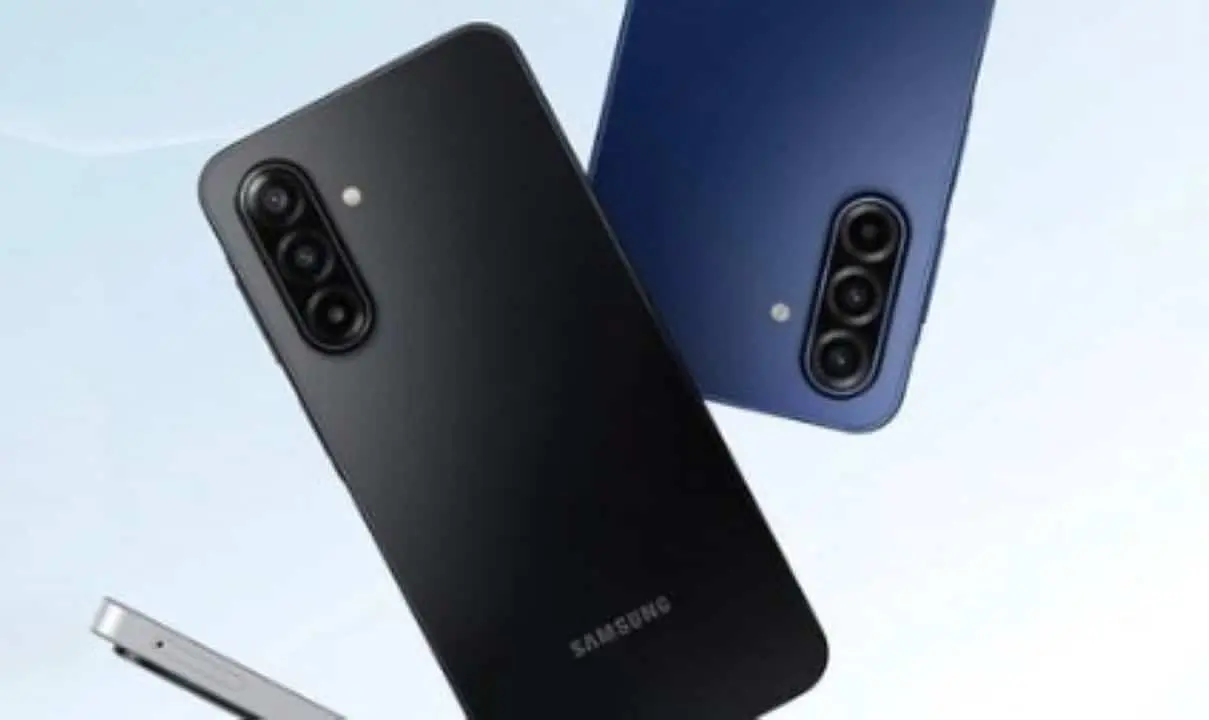
The Samsung Galaxy A17 5G emerges as the main recommendation for those looking for durability without a high investment. Samsung guarantees six years of security updates, a period much longer than most competitors, keeping the device relevant until 2031.
Furthermore, the model stands out for its AMOLED screen, a rare difference in this price category. It has a 5,000 mAh battery, capable of lasting more than a day, and includes features such as NFC and a fingerprint sensor.
With this smartphone, the need to purchase a new cell phone in a short time is significantly reduced. Six years of support corresponds to almost double the average time users usually keep their smartphones. For those who want to buy a device and use it for a long period without worries, this is the ideal choice. The Galaxy A17 will also continue to receive Android system updates for six years.
More on this story: New Rokarolla Threat, a Sophisticated Android Trojan, Targets 217 Financial Institution Apps
The Galaxy A17’s screen offers a quality often found in much higher cost devices. With 6.7 inches and a refresh rate of 90 Hz, the AMOLED panel is advanced for its price range. Many competitors still use LCD screens, which have lower contrast. When watching films and series, the display impresses, displaying vibrant colors and appropriate brightness. Games run satisfactorily for the segment, although it is not ideal for titles that require more resources.