Relics with gold and jewelry from 17th century shipwrecks are delivered to museum in England

A rare collection of gold coins, valuable jewelry, navigational instruments, sword fragments and various personal effects, all recovered from a vessel that sank in 1680, has been officially donated to the Museum of the Isles of Scilly, located in southwest England. The pieces belonged to the ship Phoenix, which was part of the East India Company’s fleet and sank during a violent storm while returning from China, carrying high-value cargo.
The artifacts were unearthed by diver Todd Stevens, who in 2017 was able to identify the exact location of the wreck after years of intense historical investigation and underwater exploration. The remarkable state of conservation of the objects surprised even experts. “It’s hard to believe that these objects have been at the bottom of the sea for almost 350 years,” said Xavier Duffy, museum curator, to the Divernet portal.
On the same topic: Pirate ‘Robin Hood of the Seas’: diving into the story of Sam Bellamy and his legendary shipwreck
Detailed tracking revealed the ship’s location on an old map
The Phoenix’s position remained a mystery for more than three centuries until Todd Stevens discovered an important clue during his research in the archives of the National Maritime Museum in Greenwich. On an old map showing the waters near Samson Island, he noticed an intriguing handwritten note: “Cap Wildy lost,” a clear reference to Captain William Wildy. This crucial discovery spurred a series of diving expeditions in the area, culminating in the location of the wreck.
Confirmation that the submerged remains belonged to the vessel came after the identification of a specific type of ballast — the heavy material used to ensure the stability of ships on the high seas. In the case of the Phoenix, the ballast was composed of fragments of ancient iron cannons, known as kentledge, an unusual feature that served as a kind of exclusive “signature” of the vessel.
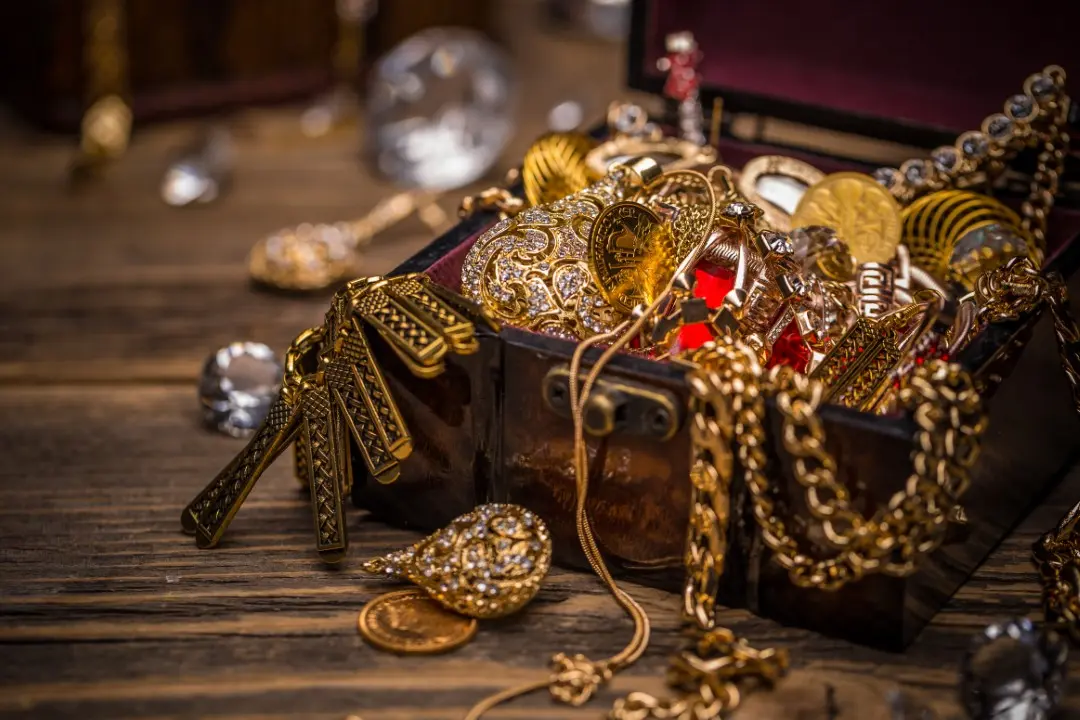
The Phoenix, built in 1670, was originally a warship adapted for commercial transport, equipped with 46 cannons and operated by the influential East India Company. This British company played a fundamental role in maritime trade between Europe and Asia from the 17th to the 19th century, being responsible for transporting highly valued goods at the time, such as silk, spices, tea and fabrics. The East India Company is a historical example of the scale on which great maritime powers operated, with power that, at its height, rivaled that of sovereign nations, shaping global economies and trade routes for centuries.
On its last and tragic voyage, the ship returned from Amoy, now known as the Chinese city of Xiamen, carrying a vast cargo of pepper, spices, silks and fine fabrics. Although a considerable portion of this cargo was recovered shortly after the accident, numerous personal effects belonging to the captain and crew remained submerged, awaiting discovery by Stevens.
Full coverage: Latest News (EN)
See Also

Horoscope of the day: Predictions for Libra show a period of decisive agreements and professional success

Munich: Boeing 787 Vietnam Airlines scrapes its tail on takeoff and makes an emergency landing after taking off off the runway

Advance of Cyclone Lala paralyzes airports and raises alert in Hawaii
Frequent maritime accidents have shaped navigation on the treacherous Isles of Scilly
The Phoenix sank on January 11, 1680, in the waters off the Isles of Scilly. This archipelago is known for a dangerous combination of submerged rocks, narrow channels and sudden changes in sea conditions, which made navigation a constant challenge.
As highlighted by Smithsonian magazine, over the centuries, hundreds of vessels have perished in this area, considered one of the most dangerous regions for navigation on the British coast. Low visibility and the difficulty in accurately determining the position of ships contributed significantly to this long history of accidents and losses.
According to historical documents, the loss of the Phoenix had impacts that went beyond financial losses. The tragedy prompted the construction of the first lighthouse on the Isles of Scilly, on the island of St. Agnes, a vital initiative to increase navigation safety and mitigate the risk of further shipwrecks in the region.
Follow: all about ancient treasures
Historical pieces will be part of the new gallery for public visitation at the museum
According to information from BBC News, the newly donated pieces will be incorporated into the new Maritime Gallery at the Museum of the Isles of Scilly, which will be housed in the restored Hugh Town Town Hall, on the island of St. Mary’s. The set offers a unique opportunity to understand the diverse aspects of life on board a 17th century merchant ship, from the sophisticated navigation instruments to the crew’s everyday objects.
For Xavier Duffy, museum curator, the collection represents much more than a simple set of old objects. “This donation ensures that the material can now be shared with the public and preserved for future generations as part of the islands’ heritage”, he highlighted.