Definitive guide to choosing your next Samsung: detailed comparison between Galaxy S23, S24 and S25
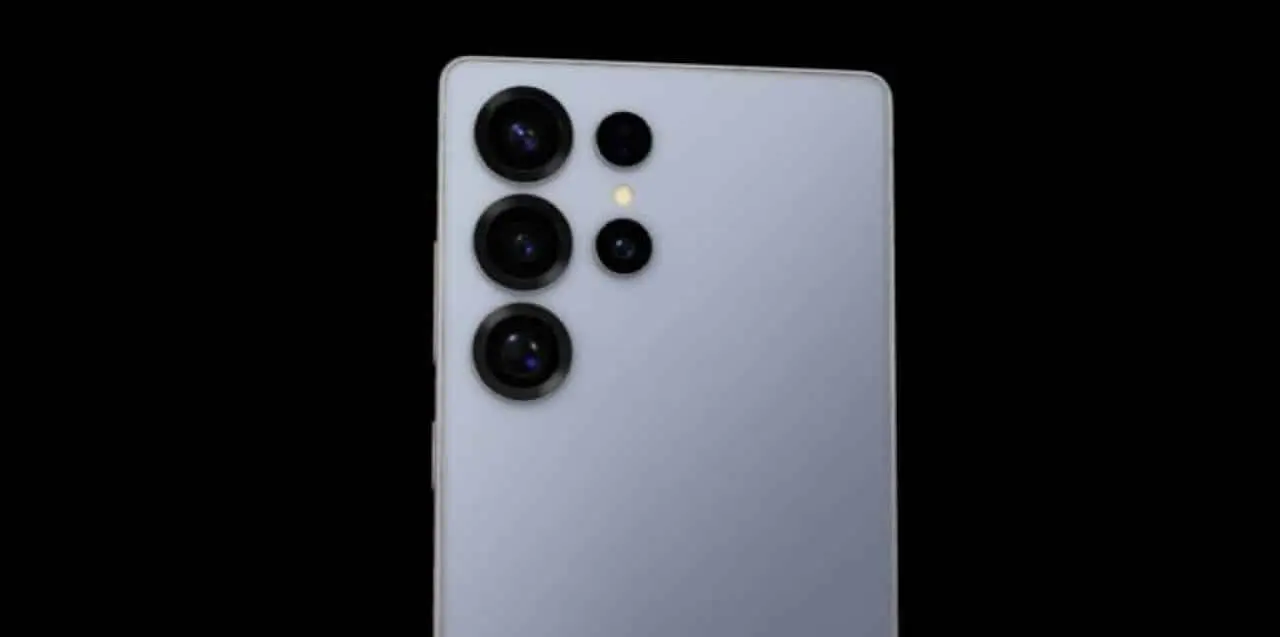
Buying a cutting-edge cell phone from the South Korean manufacturer today requires a careful evaluation of the catalog available in stores. The arrival of the recently launched Galaxy S25 changed the price list of previous generations, transforming the Galaxy S24 and Galaxy S23 into highly attractive options for the Brazilian consumer’s pocket. This scenario raises a common question when purchasing: is it worth spending more for the latest generation technology, or do devices from previous years deliver a satisfactory set for a lower price?
The three families of devices have well-defined focuses for different audiences. The Galaxy S23 currently serves as the cheapest entry ticket to the high-end segment, holding its own very well in heavy applications. The Galaxy S24, in turn, established the groundwork for generative artificial intelligence within the brand and brought a promise of extended support, ideal for those who take a long time to change phones. At the more expensive end, the Galaxy S25 boasts the most advanced processing and automated tools.
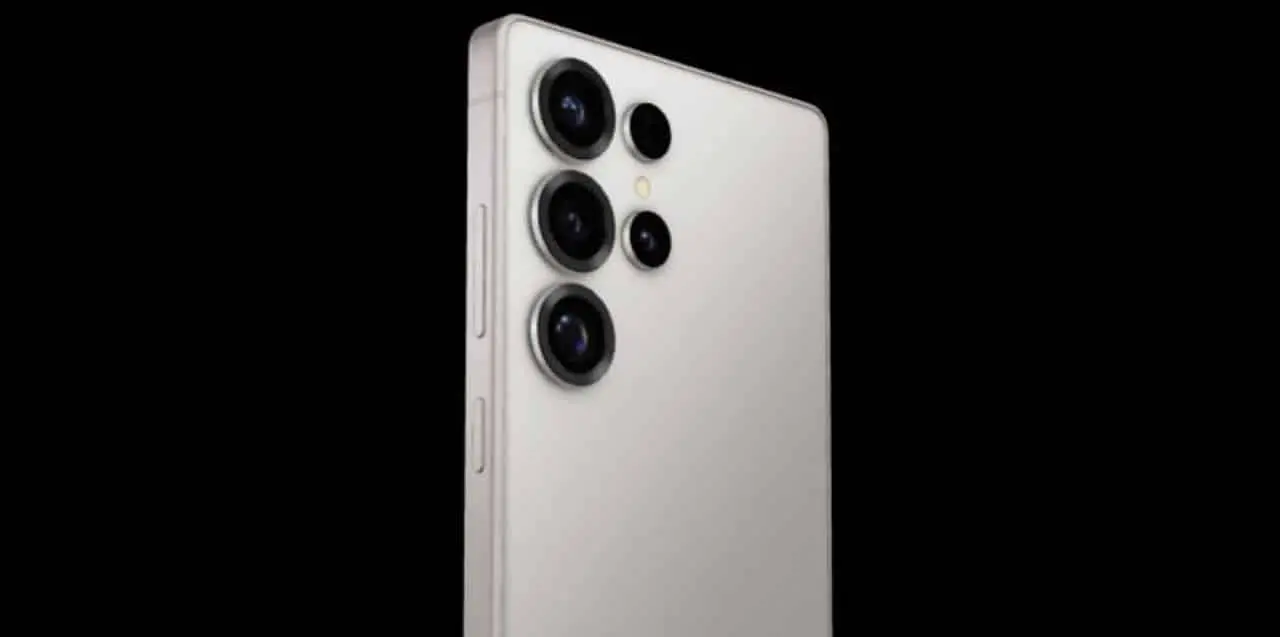
Balancing the distinctions of speed, photographic quality, system tricks and the impact on the budget is a mandatory step before swiping the card. The final decision will depend on each person’s usage profile, separating those who demand very high frame rates in games from those who are just looking for durable, crash-free equipment for everyday life, even without the hottest photographic sensors of the moment.
Why the Galaxy S23 is still worth it in today’s market
Presented to the world three years ago, this model has stood the test of time and has become a cost-benefit darling. Equipped with the Snapdragon 8 Gen 2 for Galaxy chip, the device does not choke on simultaneous tasks and runs demanding titles with ease, showing that the hardware has aged very well. Historically, top-of-the-line devices lose up to 40% of their launch value after two years, which makes its Dynamic AMOLED 2X screen and its glass and metal finish a real find. Although its Android update cycle is closer to the end compared to its younger siblings, the monthly security packages ensure that the phone remains protected against digital threats for a long time.
The Galaxy S24 leaps forward with advanced software tools
The last generation changed the manufacturer’s route by placing the Galaxy AI package at the center of the user experience. Functions such as real-time call translation and the gesture of circling any element on the screen to perform a Google search have become routine for owners of this device. These digital tricks, added to the ability to delete people from photos or summarize long texts in seconds, showed that the evolution of cell phones is no longer just about physical parts.
Inside, the changes were subtle, but efficient for daily use. The panel gained a much brighter glow, making it easier to read messages under the midday sun, while battery consumption was optimized. However, the real difference that puts this cell phone at an advantage is the unprecedented guarantee of seven years of Android updates, a commitment that protects the device against planned obsolescence and allows the consumer to keep the same device until the next decade without losing compatibility with new applications.
Learn more: Motorola Edge 50 cell phone becomes cheaper and bets on military resistance to attract sales
Main innovations that accompany the recently launched Galaxy S25
The youngest in the premium line landed on the shelves with the mission of breaking speed records. Powered by the unprecedented Snapdragon 8 Gen 4, the smartphone delivers frightening raw performance, aimed especially at content creators who render heavy videos and competitive gamers who cannot tolerate drops in the screen’s refresh rate.
The artificial intelligence system also underwent a profound redesign, going from being just reactive to anticipating the owner’s steps. The voice assistant now understands complex contexts, allowing the user to give long, chained commands, such as asking to read an email, extracting data from a meeting and scheduling an appointment on the calendar, all at once.
When it comes to photography, the South Korean manufacturer renewed the physical sensors to capture an unprecedented volume of light. Combined with the latest generation processor, the optical set can record impressive details in almost completely dark environments, in addition to recording videos with optical stabilization that practically eliminates the need for external filming equipment.
Combining top-notch pieces with an operating system that learns the user’s routine makes this launch the ultimate object of desire. It is a product aimed at those who have a budget and want to carry in their pocket the pinnacle of mobile engineering available on the current market.
More on this story: Motorola Razr (2026) evaluated: few innovations and previous model stands out
See Also

Nintendo launches nine games in May 2026 to unite Switch generations

NASA accelerates Artemis 3 mission with assembly of the Orion spacecraft and new tests
Apple system update crashes cell phones and drains battery quickly
Chip performance differences over the years
The internal engine of each device dictates the pace of technological evolution. In the case of the 2023 model, the Snapdragon 8 Gen 2 continues to have plenty of power, handling social networks, photo editing and web browsing without showing any signs of fatigue or excessive overheating.
Fast forward a year, the version equipped with the Snapdragon 8 Gen 3 focused its energies on running complex algorithms locally. This architecture allowed magical image translations and edits to happen instantly within the phone itself, without relying exclusively on connecting to cloud servers.
Coming to the Snapdragon 8 Gen 4, the numerical jump reflects a drastic change in the way the CPU and graphics card talk to each other. The practical result is the total absence of time-consuming loading screens and the ability to run games with desktop console quality, in addition to processing language models natively and ultra-fast.
On the same topic: New iPhone 18 line brings 200 MP lens and debuts long-awaited foldable cell phone from Apple
How Mobile Photography Moved From Lenses to Algorithms
The megapixel war lost momentum to give way to computational photography. While the 2023 line bet big on the raw capacity of its lenses, the next generation implemented the ProVisual Engine. This digital engine started to correct zoom imperfections, balance the contrast of the sky and clean up the graininess of night photos before the image even appears in the gallery.
The latest model merges the best of both worlds by bringing larger lenses that work in perfect sync with artificial intelligence. The big news is real-time video editing, allowing the user to delete intruders from moving footage with the same ease as editing a static photo, completely changing the industry standard.
The weight of budget and durability when purchasing
With the calendar marking 2026, looking at the price tag is key. The device from three years ago emerges as the bargain in the premium segment, delivering a luxurious finish and speed for a price that is often on par with recently launched mid-range cell phones. It’s the right purchase for those who want status and speed without emptying their bank account.
The mid-range device on this list takes on the role of today’s smartest purchase. With the natural devaluation suffered after the arrival of its successor, it offers the complete package of modern tools and the peace of mind of knowing that the operating system will receive new features until the next decade, diluting the cost of the phone over many years of use.
Verdict: which device best suits your needs
Choosing between these three options requires sincerity about your own use. If the goal is to save as much as possible without giving up a fast and beautiful cell phone, the 2023 generation wins hands down. If the intention is to keep the same device for five years or more, taking advantage of useful software tricks, last year’s model is unbeatable. On the other hand, if money is no object and the desire to have the sharpest camera and the fastest processor in the world speaks loudest, the newest member of the Galaxy family is the only possible choice.
More on this story: Analysis of the Motorola Razr 2026 shows that buying the old version is a better deal