Serious error when interacting with AI can expose data and be used against users in court

Artificial intelligence (AI) has consolidated its presence in society, becoming an important part of many people’s routine. However, this technology, despite its usefulness, does not replace human interaction, and cybersecurity experts have been warning about serious risks to privacy. The main danger comes from treating AI as a confidant, a friend or even a therapist, as revealed on Wednesday, July 9, 2026.
The privacy expert known as Tokin Privacy, in an interview with the podcast “Hasta la Acima”, made a blunt warning about the danger of conversations with AI systems. “Be careful what you say, as there are already countries that are developing laws that allow AI to use your chats to prove your guilt in front of a judge,” said the content creator. He emphasizes that interactions considered suspicious can be forwarded directly to law enforcement authorities.
On the same topic: Intimate conversations with artificial intelligence can become legal evidence against users
The human role in feeding and controlling artificial intelligence data
Tokin Privacy highlights that global legislation is already moving in this direction, with votes to formalize these permissions. He emphasizes that the very existence and accessibility of artificial intelligence to the general public is due, in part, to the authorization of intelligence services. This scenario reveals the deep interests involved in the use and development of these technological innovations, highlighting the need for caution.
See Also

Discover the main signs that your WhatsApp account is being used without permission

Patriot missile production in the United States faces challenges with deliveries delayed until 2029

September could mark the reveal of the iPhone 18 Pro and Apple’s first foldable iPhone
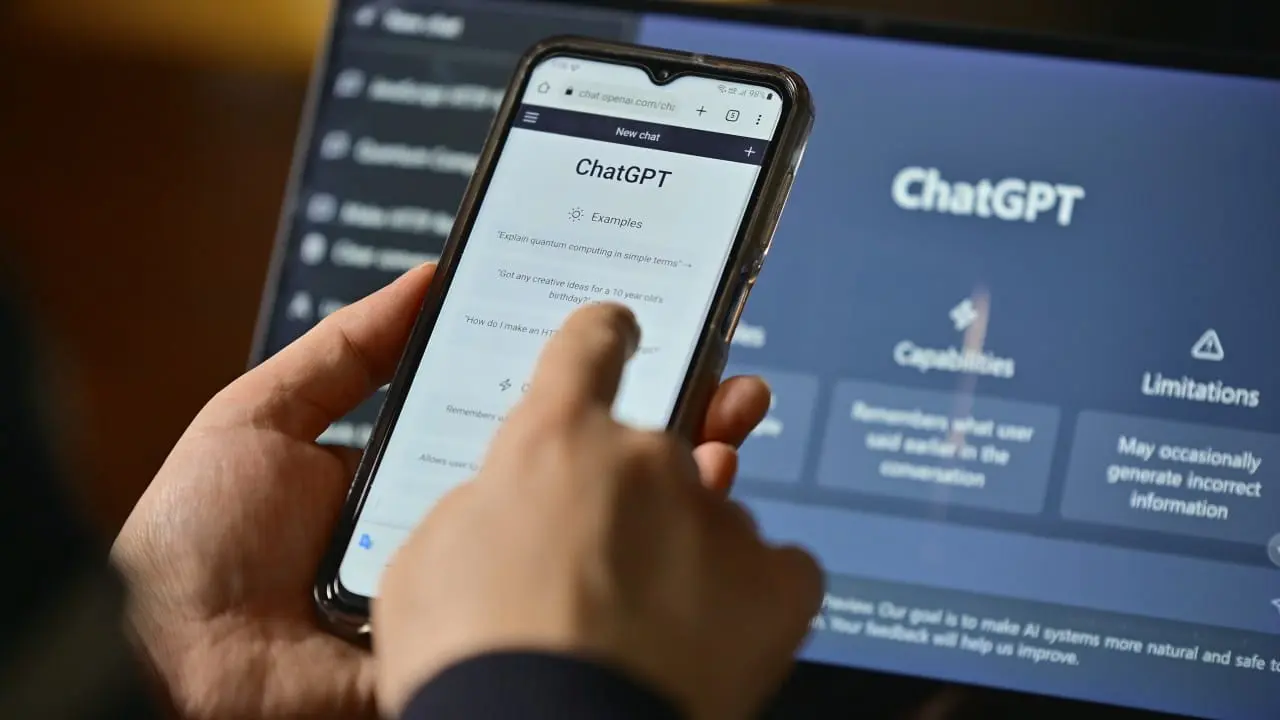
For those who are in the habit of frequently chatting on platforms like ChatGPT, the expert’s advice is clear. “Forget the idea of telling ChatGPT about your life”, warns Tokin Privacy. He compares AI to a “greatest enemy of our privacy”, as the more personal information is shared, the greater the ability to control the user. The problem, according to him, does not lie in the tool itself, but in the “human error” in providing data.
The expert’s main message is that the responsibility lies with the user. While AI can be useful for legitimate purposes, it should not be viewed as a replacement for mental health professionals such as psychologists. Sharing details about moods or sensitive information gives AI more information to monitor the individual. Therefore, vigilance and setting clear limits on the content of conversations are essential to protecting personal privacy.