Intimate conversations with artificial intelligence can become legal evidence against users

The integration of automated systems into daily routine has reached a level where the line between technological tool and human interaction seems increasingly blurred for many individuals. The habit of using text generation platforms as a safe space to vent raises severe concerns among information security experts. A blunt warning issued on July 9, 2026 shed light on a reality ignored by much of the public: the records of these conversations are far from confidential. Treating algorithms like close friends or therapists creates a highly sensitive and permanent digital trail.
The cybersecurity expert known as Tokin Privacy detailed the seriousness of this practice during an appearance on the Hasta la Acima podcast. The content creator explained that the apparent empathy programmed into these machines lulls the user into a false sense of security, resulting in the excessive sharing of intimate details. This voluntary vulnerability turns browsing history into a complete dossier on a person’s life, emotions and possible infractions. The responsibility for this exposure, according to technical analysis, lies entirely with human error when providing the information.
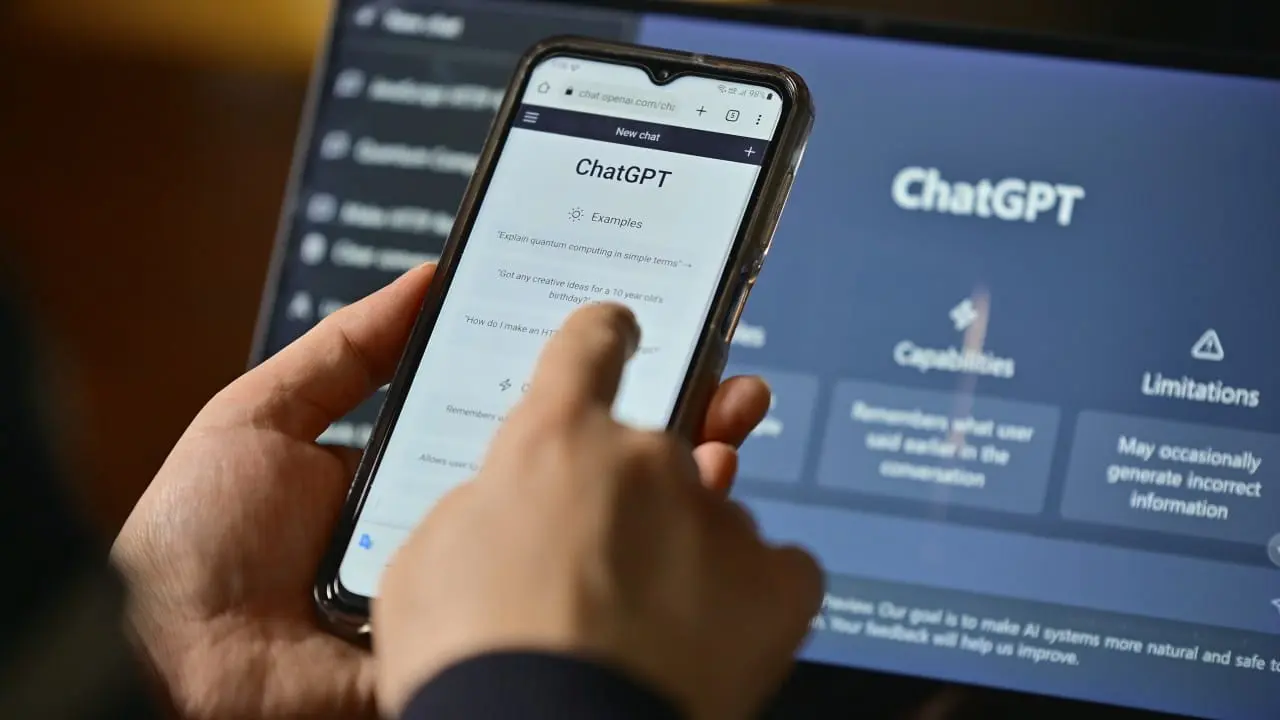
The danger of turning algorithms into personal confidants
Platforms like ChatGPT were designed to process natural language fluidly, which often creates an illusion of understanding and acceptance. Users around the world began to replace professional consultations or conversations with friends with long chat sessions with the machine. The central problem with this dynamic is that language models store input data to improve their own response systems. Each confession, anguish or report of questionable behavior becomes part of gigantic corporate databases.
More on this story: Serious error when interacting with AI can expose data and be used against users in court
Tokin Privacy classifies current artificial intelligence as the biggest contemporary threat to individual privacy, precisely because of the way it passively extracts information. Unlike traditional forms where the individual knows exactly what they are filling out, free conversation encourages the delivery of rich contextual data. The more a person talks about their routine, their fears and their actions, the greater the system’s ability to draw an exact psychological and behavioral profile of the user becomes. This level of detail surpasses, in many cases, the information collected by social networks over years.
The lack of immediate moral judgment on the part of the machine is the main trigger that leads people to confess to acts that they would never admit to another human being. However, the terms of service of most of these technology companies provide for access to conversation logs for content moderation and security auditing. This means that human employees, researchers, and eventually government authorities can have unfettered access to transcripts that the user believed to be secret.
Legal moves to turn chats into criminal evidence
The most alarming aspect of the recent warning involves the legal sphere and the use of courtroom interaction history. The expert highlighted that several global jurisdictions are already drafting and voting on specific legislation to allow dialogues with artificial intelligence to be attached as evidence in legal proceedings. The objective of prosecutors and investigators is to use the defendant’s own words, typed in moments of supposed privacy, to prove intentions, premeditation or admission of guilt before a judge.
The legal mechanics for breaking the confidentiality of this data follows a similar path to what already occurs with email providers and internet search histories. However, the depth of information obtained via automated chat offers a much clearer picture of an individual’s mental state and motivations. Interactions that automatic moderation systems classify as suspicious, involving illegal planning or threats, can be forwarded directly to public security forces, even without a prior court order.
This algorithmic surveillance turns the aid tool into a potential informant. The ease with which authorities can request these data packages drastically changes the landscape of criminal defense and civil privacy. The average citizen, when seeking advice about family conflicts, financial problems or legal disputes, may unknowingly be documenting evidence that will be used against him or her in future litigation.
Government interests and the endorsement of intelligence services
The accelerated expansion and free availability of such advanced technologies to the general public does not occur in a geopolitical vacuum. During the interview, Tokin Privacy pointed out that the very existence and commercial release of these tools had the tacit approval of international intelligence services. The massive collection of voluntary data represents an invaluable asset for state monitoring agencies, which historically spent billions to obtain fractions of the information that users now hand over for free.
See Also

China’s Shenzhou-23 mission reveals views of Earth from Tiangong station

Manchester City receives third offer from Barcelona for Rodri worth between €60 million and €80 million

Former boxer Prichard Colón dies aged 33 after long battle with brain injury
Learn more: Samsung restricts use of ChatGPT by employees after confidential data leak
Cross-referencing data provided to virtual assistants allows the mapping of social trends, political instability and risk profiles on a global scale. By allowing the population to adopt technology as an essential part of everyday life, governments guarantee access to a continuous flow of raw intelligence. This symbiotic relationship between large technology corporations and the State security apparatus raises profound questions about the true purposes behind the popularization of these platforms.
The warning serves to demystify the idea that technological development is purely aimed at the benefit and convenience of the consumer. There is a complex mechanism of interests focused on extracting value from behavioral surveillance. Understanding this scenario is the first step for the user to change their posture in front of the screen and stop feeding the system with ammunition that could compromise their own freedom and safety.
Risky habits that compromise data security
To mitigate the risks associated with the continued use of natural language processors, it is essential to identify which behaviors open irreversible breaches in personal security. Stopping oversharing requires a drastic change in how questions are phrased. Digital security experts have mapped out the most dangerous attitudes that should be immediately eliminated from users’ routines:
- Insertion of medical diagnoses, physical symptoms or mental health conditions in the search for alternative treatments.
- Detailed accounts of workplace conflicts, including names of companies, colleagues, or sensitive financial information.
- Confessions about traffic violations, tax evasion or any activity that violates local laws.
- Sharing proprietary source codes, masked passwords, or business strategies in the development phase.
Adopting personal filters before pressing the submit button is the only real barrier against predatory collection. The system does not have the ability to forget information after it is processed and integrated into your training model. Therefore, active prevention at the time of typing overrides any failed attempt to erase history later, since local deletion rarely erases data from central servers.
Necessary boundaries between technology and mental health
The final message left by privacy analysts focuses on the urgency of reestablishing limits on technological use. Automation tools are undeniably useful for writing emails, structuring programming codes and superficial academic research. However, the attempt to replace human psychological monitoring with responses generated by statistical probability is a mistake with severe consequences. Mental health professionals respond to ethics boards and strict patient-therapist confidentiality laws, protections that simply do not exist in the corporate virtual environment.
Emotional distancing from the tool is the standard recommendation for those who want to continue using technology without compromising their own future. Treating the interface as just an advanced search engine, while keeping the language strictly professional and impersonal, drastically reduces the attack surface. Constant vigilance over one’s own digital behavior has become a mandatory skill for survival in the connected society.
On the same topic: Teenager kills mother and brother after using AI to create fantasies about the crime
Responsibility for protecting identity and personal history will not be assumed by development companies, whose business models depend on the continuous extraction of information. It is up to the individual to draw a clear and insurmountable line about what belongs in the public sphere and what should remain kept in the mind. Awareness of the legal and psychological weight of every word typed is the only effective shield against the misuse of human intimacy.