Climate tragedy in Andalusia leaves twelve dead and dozens missing after flames engulf tourist region
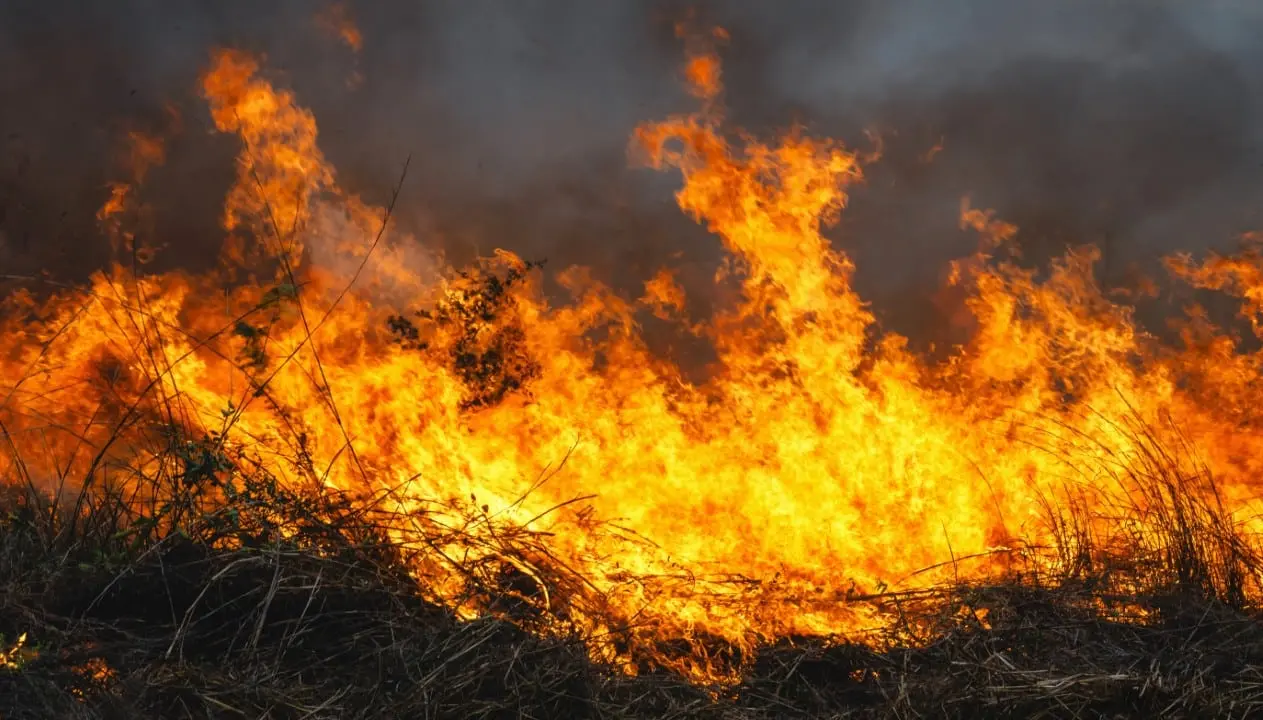
An unprecedented environmental catastrophe hit Spanish territory this summer, transforming one of the most popular tourist destinations on the European continent into a scene of absolute destruction. On Thursday, July 10, 2026, a forest fire of gigantic proportions swept through the province of Andalusia, quickly establishing itself as the deadliest event of its kind ever documented in the region’s history. Rescue teams have confirmed the loss of twelve lives, while a complex search operation attempts to locate twenty-three people who remain missing. The affected area is home to a large expatriate community and receives thousands of foreign visitors at this time of year, which has raised the level of international alert and mobilized embassies from several countries seeking information about their citizens.
Fatal meteorological combination and the origin of the disaster in southern Spain
The disaster exposes the vulnerability of the south of the Iberian Peninsula in the face of drastic changes in global climate patterns. In previous months, the region experienced an atypically rainy winter, which drove the accelerated growth of undergrowth and shrubs in rural areas and mountain slopes. With the arrival of summer and the consequent extreme rise in temperatures, this vast green layer quickly dried, becoming an immense carpet of highly combustible material. The situation spiraled completely out of control when strong, shifting winds began to blow, pushing the fire front for miles in a matter of hours.
Preliminary investigations conducted by local security authorities indicate that an infrastructure failure may have been the trigger for the tragedy. There is strong evidence that the collapse of an electricity transmission cable over the parched forest served as the initial spark, unleashing the inferno almost instantly. This type of ignition, combined with the dryness of the soil, made any immediate containment attempt by residents impossible before the arrival of official forces.
More on this story: Devastating fire in southern Spain kills twelve people and leaves 23 missing
Emergency operation and the devastating impact on the communities of Los Gallardos
The government response involves a massive contingent of security and civil defense forces. Currently, more than 150 firefighters are fighting the flames on the front line, supported by aerial squads made up of helicopters and air tankers that carry out continuous drops of water and chemical retardants. Despite all the technological apparatus and human effort, the fire has already devoured around 3,200 hectares of land, swallowing ecological reserves, productive agricultural properties and entire residential areas. The municipality of Los Gallardos became the epicenter of logistical and human despair.
The head of the municipal executive of Los Gallardos publicly reported his anguish at seeing the impressive speed with which the flames advanced. According to the mayor, the fire moved with such ferocity that several homes were reduced to ashes even before evacuation protocols could be fully implemented, leaving families trapped. The stories of those who tried to escape the fury of the fire reveal the panic that gripped the local roads. During sweeps of the charred areas, emergency teams found the bodies of four victims inside a car, who were caught in the fire while trying to escape. Other residents and tourists lost their lives after abandoning their vehicles and trying to escape on foot, quickly being overtaken by thermal radiation.
The economic and psychological impact on survivors is incalculable and will leave deep scars on the local economy, which is heavily dependent on agriculture and tourism. A farmer in the region summed up the community’s pain when describing the loss of all its heritage built over decades. He lamented the destruction of his 600 orange trees and the land where he raised his family, defining the loss of his means of subsistence and his memories as something that tears his own soul apart.
See Also

Motorola’s new foldable cell phone surpasses the weight of the iPhone 17 Pro Max and gets a discount

Libra: Yukari Ishii’s horoscope predicts brightness and negotiation phase from August 17th to 23rd

Influence of the August 16 moon on skin care and well-being
Key factors that turned the 2026 flame season into a continental challenge
The scenario seen in the Spanish province reflects a structural crisis that has forced the European Union to urgently rethink its civil protection strategies. Experts in climatology and disaster management point out that the current year presents a combination of elements that make the work of fire brigades difficult. Among the aggravating factors identified by environmental authorities, the following stand out:
- Early start of the risk season: The first major hot spots began to emerge long before the traditional period of maximum monitoring, catching prevention systems unguarded.
- Territorial expansion of the danger: More northern areas and high-altitude areas that historically did not suffer from severe fires now present a high risk of ignition.
- Biomass overload: The sudden alternation between torrential rains and prolonged droughts generated a record accumulation of organic matter ready to burn in forest soils.
- Extreme fire behavior: Unpredictable wind currents create microclimates around flames, generating firestorms that leap over natural barriers and paved roads.
This new dynamic requires governments to invest heavily in satellite monitoring technologies and the creation of containment bands during the winter, as direct combat in the height of summer has proven increasingly ineffective and dangerous for rescue teams working on the ground.
Learn more: Unprecedented fire kills 12 people and leaves dozens missing in southern Spain
Maximum alert in Europe and the specter of devastation in neighboring countries
The seriousness of the situation in Andalusia has led the regional government to issue a gloomy prognosis for the coming months. The province’s governor warned that the European continent must prepare to face one of the most relentless and challenging summers in its recent history. This fear is strongly based on the catastrophic events of the previous year, when neighboring nations faced unprecedented national fire emergencies. Countries like Greece and Portugal saw vast swaths of their territories turn to ashes, forcing the evacuation of tens of thousands of citizens in dramatic operations.
Consolidated data from the European Union shows that more than one million hectares were consumed by flames in the last cycle, establishing the worst mark ever recorded in the annals of the economic bloc. The fact that the 2026 season began with such violence and in places where fire was not an imminent threat confirms scientific projections about the worsening of the climate crisis. Given this scenario, dependence on international mutual aid mechanisms becomes the only viable solution to try to contain the fury of an increasingly lethal nature.