Nintendo makes Switch successor official and guarantees total recreation of Zelda Ocarina of Time
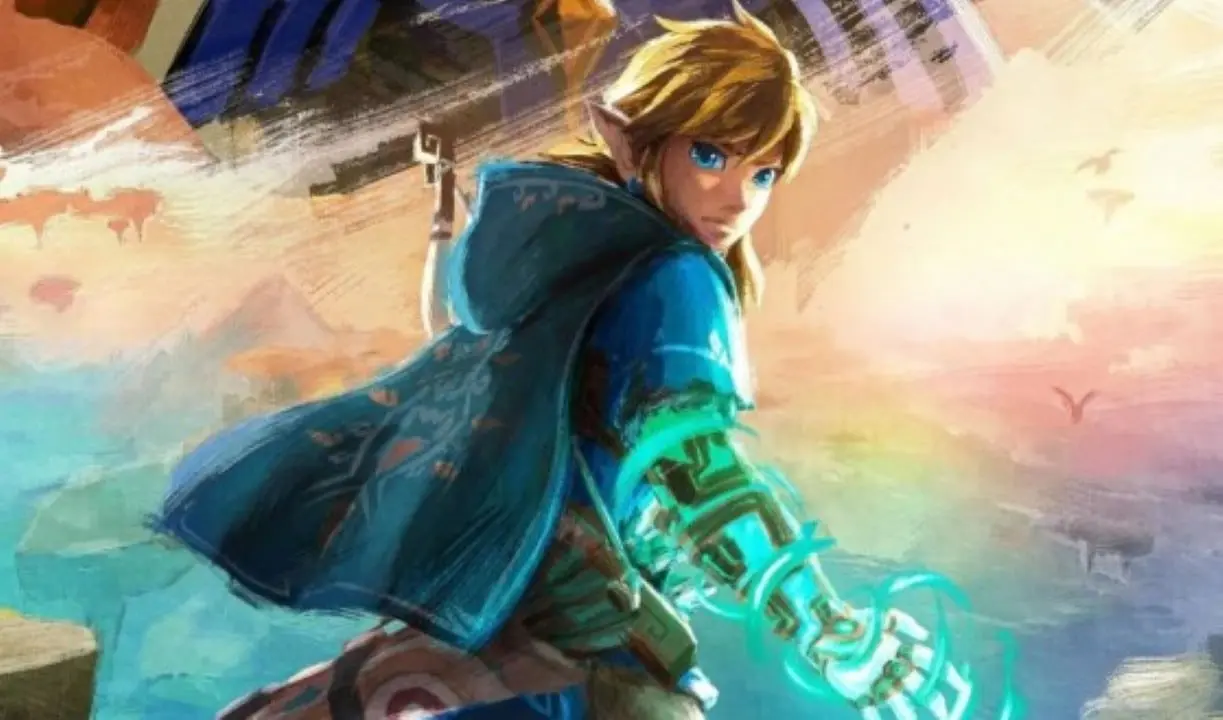
Japanese manufacturer Nintendo has publicly confirmed the release schedule for its next desktop and portable video game. The new equipment arrives to replace the current generation, which has already surpassed the mark of 139 million units sold, maintaining the renowned proposal of alternating between playing on television and in handheld mode. The revelation took place during a meeting with shareholders, at which time the company also announced the complete recreation of the classic The Legend of Zelda: Ocarina of Time. The historic title underwent a profound visual redesign after years of confidential work in the company’s studios. The statement ends a long season of rumors in the technology market. For the first time, the device’s architecture promises to deliver high processing power without sacrificing mobility.
The entertainment giant’s move immediately changed the planning of partner studios around the planet. To ensure that shelves are not empty in the initial months, the corporation entered into exclusive parts supply agreements and selected state-of-the-art internal components. The board’s central objective is to protect consumers against lack of stock immediately after the product’s debut. Several retail chains have already started receiving preliminary instructions on how distribution logistics will work. Meanwhile, assembly lines on the Asian continent operate at the limit of production capacity. Financial experts are now evaluating the brand’s next steps.
More on this story: Nintendo reveals its new portable video game and confirms the long-awaited remake of Zelda Ocarina of Time
『제르다의 시대의 오카리나』의 메자리메이크특,
(소스:https://t.co/Isv8LRAJxQ) pic.twitter.com/NQfhSRF9CE
—चर्चाफिल्म (@चर्चाफिल्म)2026년 3월 27일
Understand hardware changes and how the system works on television
The debut model of the new video game will hit stores equipped with an 8-inch LCD panel. The choice for this screen technology aims to control manufacturing costs and maintain the final price charged to players. Compared to the previous version, the display has gained a considerable increase in size. The manufacturer’s engineering preferred to focus on the durability of materials and energy efficiency rather than seeking extreme refresh rates. The battery has received substantial improvements to withstand long periods away from the socket. A variant with an OLED display may appear in the future, depending on demand. The external format of the device preserves the ergonomics already familiar to the public.
Learn more: Nintendo’s new generation should debut with classic Zelda-themed edition
The internal processing works from a customized chip with ARM architecture, capable of running heavy software with ease. The graphics card features DLSS technology, developed by Nvidia. When the user connects the console to the television, the system activates artificial intelligence to automatically increase the image resolution. This feature allows the graphics to reach very high definition without causing drops in the fluidity of the action. The hardware offers full support to run the entire library of last generation games. Loading times have dropped dramatically and overall stability has gone up, ensuring that older titles run better than ever. The parts are cooled using a copper heatsink combined with a silent fan.
How the developers recreated the world of The Legend of Zelda: Ocarina of Time
The highlight of the software line is the recovery of the work originally released in 1998, which at the time sold more than 7 million copies on the Nintendo 64 and defined the rules of three-dimensional adventure games. The new look abandons the dated polygons and adopts a cutting-edge graphics engine. The kingdom of Hyrule has been entirely rebuilt with complex textures and richly detailed character models. The art team took care to preserve the visual identity that marked the childhood of many fans. The proportions of forests, mountains and temples gained a much more imposing scale. The physics of objects now respond realistically to each interaction of the protagonist.
See Also

China’s Shenzhou-23 mission reveals views of Earth from Tiangong station

Manchester City receives third offer from Barcelona for Rodri worth between €60 million and €80 million

Former boxer Prichard Colón dies aged 33 after long battle with brain injury
Gameplay has undergone complete refinement to align with current entertainment industry standards. The auto-aim mechanism and camera control have undergone profound structural changes. Changing inventory items now happens quickly, without breaking the rhythm during the most difficult combats. The pace of exploring scenarios has become more dynamic and intuitive. Enemies have improved artificial intelligence, with new attack patterns.
- The software spikes the frame rate at 60 updates per second, regardless of whether the console is handheld or docked.
- The passage of time between day and night affects global illumination and casts shadows calculated in real time.
- A fast travel system allows the player to traverse the gigantic map in a matter of moments.
The sound department discarded the old audio files and recorded the entire soundtrack with a real symphony orchestra. The sound effects change depending on the climate and acoustics of each environment. Nintendo tapped veteran audio directors solely to oversee the project’s acoustic quality. The difficulty level has been adjusted to honor the weight that the franchise carries in the company’s history. The inclusion of professional voice acting brought a new layer of depth to the narrative. The user interface relies on a minimalist design, leaving the screen clean for enjoying the scenery.
On the same topic: Switch successor is confirmed with total recreation of Zelda Ocarina of Time
Mass production strategies to ensure consoles on shelves
Placing equipment of this size on the market requires an impeccable supply chain. The manufacturer started purchasing semiconductors and memory chips many months in advance. This maneuver serves to protect the assembly line against economic fluctuations and international crises, which have recently caused parts blackouts in the technology sector. The Japanese company rented extra logistics warehouses in Asia specifically to store the finished video games. The pace of manufacturing has already exceeded suppliers’ initial estimates. Exclusive contracts ensure that factories receive essential materials with top priority.
Production is transported via cargo ships and chartered flights. Priority routes to ports in North America, Europe and Latin America have already been secured. Logistics planning foresees the start of sales simultaneously in the main commercial areas on the planet. A standardized distribution helps to inhibit the action of parallel importers and keeps the official price stabilized. Inspectors monitor industrial facilities daily to prevent any type of espionage or information leakage. The product boxes use recyclable materials, complying with environmental requirements scheduled for the year 2026.
Impact on international retail and the rules for selling the device
The largest retail chains in the world had to sign extremely strict confidentiality agreements with the manufacturer. The documents establish millionaire fines for any retailer that breaks the embargo or leaks images of the boxes before the authorized date. This energetic stance aims to ensure that the impact of the launch is not diluted by advance publications on the internet. Store managers are already preparing special security arrangements to organize the queues of fans on the day of the official opening.
More on this story: Leak points to Nintendo Switch 2 themed with unreleased Zelda remake to boost sales