1999 ANA Flight 61 hijacking: Deadly attack exposed security flaws in Japan
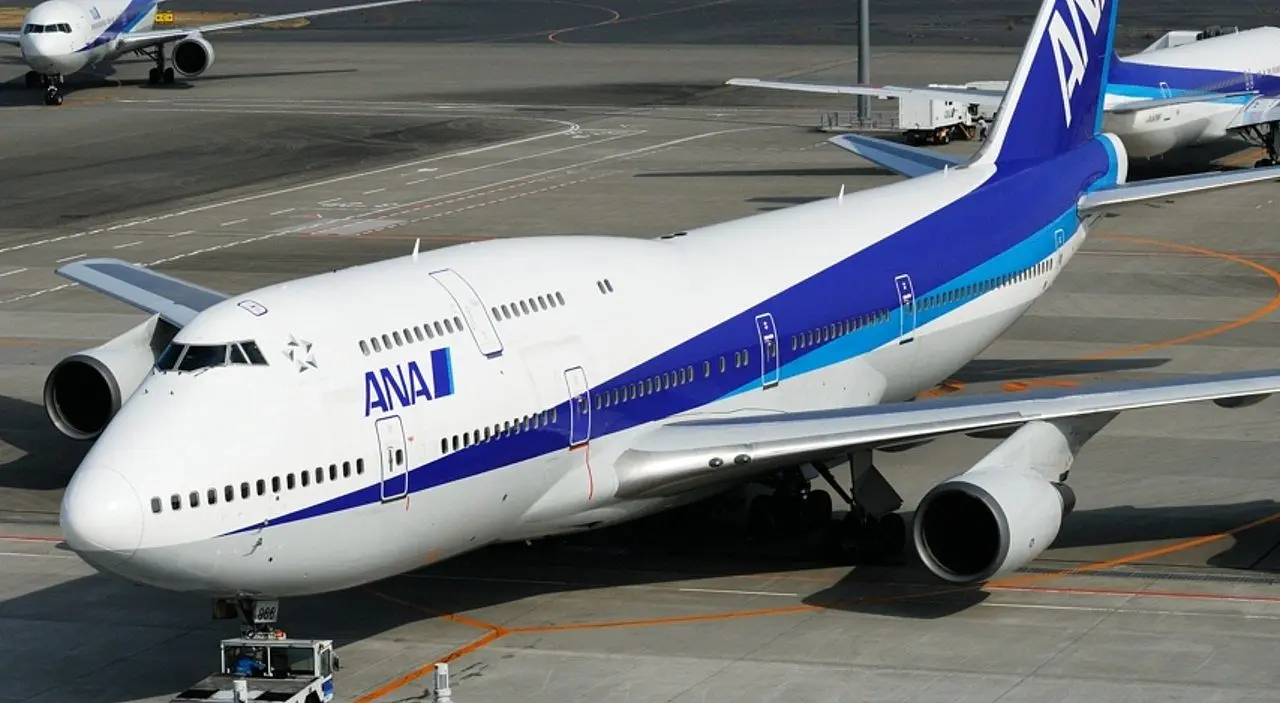
On that day in 1999, an All Nippon Airways (ANA) domestic flight departing Tokyo for Sapporo was the scene of a violent hijacking that resulted in the death of one of the pilots. More than 500 passengers and 14 flight attendants on board Flight 61 were taken by surprise by the action that would mark the history of Japanese aviation. The shocking incident, with fatal consequences, revealed serious vulnerabilities in the country’s airport security systems.
Brutal attack on crew mid-flight
More on this story: Pan Am Clipper Endeavor plane wreckage found 74 years after crash
Shortly after takeoff, Yuji Nishizawa, a man with a fascination for flight simulators, stood up from his seat and wielded an 8-inch kitchen knife. He confronted a flight attendant and demanded immediate access to the flight deck, demonstrating his intention to take control of the aircraft.
Inside the cabin, Nishizawa acted with extreme violence, physically ejecting 34-year-old First Officer Kazuyuki Koga. It then attacked Captain Naoyuki Nagashima, 51, who was forced to divert his route to Yokota Air Base, an American military installation in Tokyo. Nagashima, despite being injured, managed to send a hijack alert to air traffic control before being stabbed again in the neck and shoulder. After the attack, Nishizawa took control and turned off the autopilot, causing a dangerous drop in altitude to 300 meters. A passenger reported the frightening proximity to the ground at that moment of panic.
Fight for life resulted in emergency landing at Haneda Airport
A second, intense fight ensued inside the cabin. Crew members and First Officer Koga, who had been ejected, managed to regroup and overpower Nishizawa. He was restrained using ties and belts provided by the passengers, who helped to immobilize him.
See Also

China’s Shenzhou-23 mission reveals views of Earth from Tiangong station

Manchester City receives third offer from Barcelona for Rodri worth between €60 million and €80 million

Former boxer Prichard Colón dies aged 33 after long battle with brain injury
An off-duty pilot on board, Junji Yamauchi, took control of the aircraft amid the chaos. Meanwhile, First Officer Koga returned to his post and coordinated with air traffic controllers to prepare an ambulance for Captain Nagashima. At around 12:14 p.m., about an hour after takeoff, ANA Flight 61 made a safe emergency landing at Tokyo’s Haneda Airport.
However, despite efforts, Captain Naoyuki Nagashima unfortunately did not survive multiple stab wounds and passed away. This tragic event marked the first fatality of a passenger or crew member in a plane hijacking in Japanese history.
Learn more: Pan Am Clipper Endeavor plane wreckage located after more than 70 years in the Atlantic
The serious warnings ignored before the kidnapping
The context prior to the hijacking of ANA Flight 61 reveals a series of crucial warnings that were not properly heeded. In the month before the attack, Yuji Nishizawa had already alerted several authorities and media outlets about deficiencies in aviation security.
- Possibility to enter the boarding gates directly from the baggage claim area.
- Lack of adequate security checks on this route.
Nishizawa even offered his services as a security specialist for the airport, seeking to correct these vulnerabilities. However, their only response was a phone call, and no substantial corrective measures were implemented. Upon realizing that his warnings were being ignored, he decided to check the security flaws on his own, culminating in the tragic action on board the flight.