Apple prepares launch of foldable iPhone for September and dismisses rumors of delay
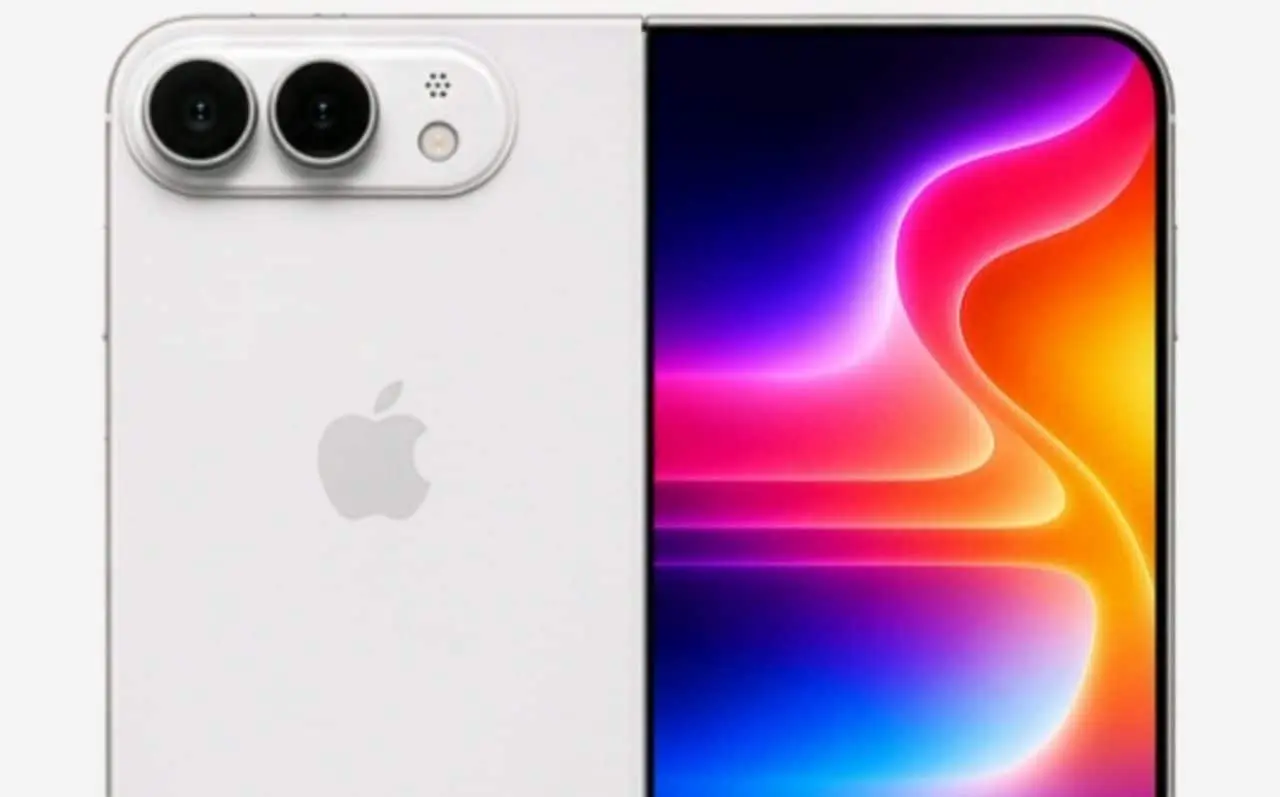
The technology industry is following with great anticipation Apple’s next steps in the mobile device segment, a sector that calls for significant visual and structural innovations. Provisionally known behind the scenes in the production chain as the iPhone 18 Fold or iPhone Ultra, the device has been the subject of intense speculation about its true development schedule. Recently, exclusive information shared by Chinese tipster Fixed Focus Digital brought new life to brand enthusiasts, contradicting previous narratives that suggested a long waiting period. According to leaked data, theories that the Cupertino giant had postponed the debut of the equipment have no basis in the current reality of partner factories.
Market strategy and arrival schedule in stores
Through a detailed post on the Asian social network Weibo, the technology industry leaks expert was categorical in classifying rumors of a postponement to 2027 as completely misleading information with no practical basis. Working with a very positive perspective for the apple ecosystem, the source guarantees that internal engineering planning continues at full steam. The strongest forecast suggests that the innovative smartphone with a flexible screen will make its global debut at the traditional autumn event in the northern hemisphere, sharing the spotlight with the conventional iPhone 18 line in September this year.
Even if the assembly line faces small last-minute logistical bottlenecks, the impact on the end consumer must be minimal and strictly controlled. The manufacturer’s strategic planning foresees that, in the worst case scenario, the start of sales will be delayed by a maximum of thirty days in relation to the official announcement on stage. This maneuver of holding back sales for a few weeks has a very clear commercial purpose: to guarantee the manufacture of a volume of units capable of supporting the immense initial demand. Avoiding empty shelves immediately after launch is an absolute priority for the company’s management, who know the historical weight that this new format carries for customer loyalty.
Learn more: Latest rumors about the iPhone 18 indicate a change in Apple’s launch strategy
Engineering challenges and the manufacturer’s rigorous quality standards
The path to the final version of the product, however, required overcoming extremely complex technical barriers. Previous supply chain reports indicated that the design team was dealing with severe obstacles related to the strength of the bending mechanism, a critical point as the project enters the final phases of mechanical stress testing. Historically known for not adopting technologies until they are completely mature — as occurred in the cautious transition to OLED screens — the company appears to have resolved the annoying crease in the center of the display. However, ensuring that the hinge can withstand thousands of daily openings over the years without showing gaps or structural failures remains the acid test, as the brand seeks to deliver much greater robustness than that seen in competing models that already dominate the sector.
Full coverage: Latest News (EN)
See Also

Advance of Cyclone Lala paralyzes airports and raises alert in Hawaii
Hurricane Lala arrives in Hawaii with winds of 120 km/h and closes airports

Lucas, singer of the country duo Lucas & Matheus, died in Portugal after a heart attack
This incessant search for mechanical perfection has generated divergences in the forecasts of the main financial and technological market analysts over the last few months. During the month of March, journalist Mark Gurman, from the Bloomberg agency, raised the hypothesis that the flexible model could miss the simultaneous launch window with the Pro variants of the iPhone 18 due to these fine adjustments. Following a similar line of reasoning and based on reports from suppliers, Tim Long, a researcher at the financial institution Barclays, drew a scenario where the device would only reach users’ hands in December. This window would create a strategic vacuum of an entire quarter between the arrival of traditional high-performance cell phones and the big new foldable.
Leaked technical specifications and price positioning
Regarding processing power and screen design, recent leaks help to put together a fascinating puzzle about the hardware of the future premium cell phone. The project indicates the adoption of a dual display system designed to maximize productivity and media consumption, in addition to bringing very high-speed internal components developed in the manufacturer’s own laboratories, aiming to optimize battery consumption in a device with higher energy requirements.
On the same topic: Next iPhone 18 could bring innovative cameras and foldable version, rumors indicate
- Display Panels: An expandable 7.8-inch internal main screen accompanied by a 5.5-inch external display for quick use and notifications.
- Processing unit: The unprecedented A20 processor, focused on maximum energy efficiency and advanced artificial intelligence processing.
- Network and communication: Implementation of the C2 modem to ensure ultra-fast connections and signal stability on global networks.
- Biometric authentication: Return of the physically integrated Touch ID fingerprint reader, replacing Face ID facial mapping in this version.
- Market value: Price tag projected at around US$2,000, which in direct conversion without taxes represents approximately R$10,400.
The countdown to the official reveal
Faced with the growing volume of detailed information circulating behind the scenes of the Asian industry, the global technology market is on high alert. With approximately one quarter left until the brand’s traditional month of announcements, the final testing period in partner factories will be the decisive factor in setting the date. If the most recent data is fully confirmed, the month of September will mark not only the annual update of the company’s portfolio, but the North American giant’s definitive entry into the era of transformable mobile devices, forever changing the dynamics of competition at the top of the smartphone pyramid.
More on this story: New leaks detail foldable iPhone Ultra and Apple’s 20th anniversary model