Latest rumors about the iPhone 18 indicate a change in Apple’s launch strategy
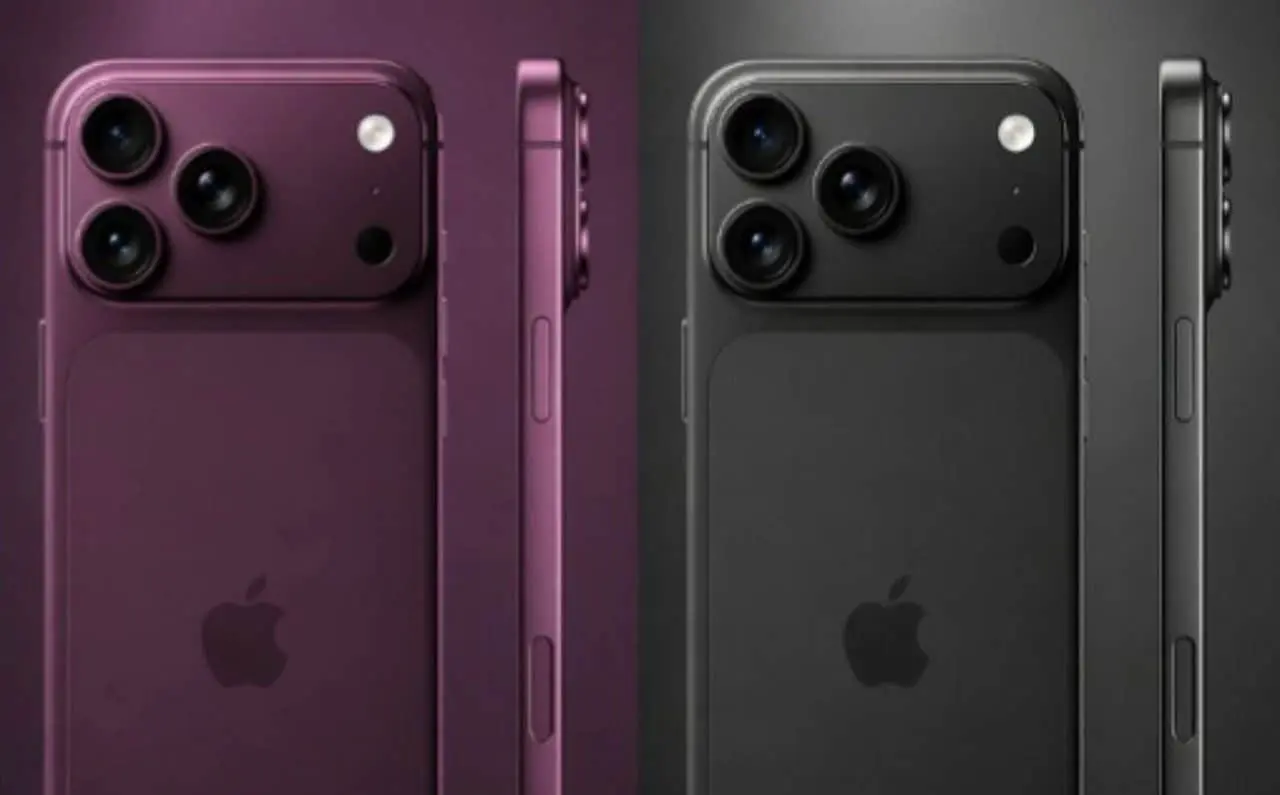
Apple may be preparing for a significant change in its traditional iPhone launch strategy, a model that has remained consistent for many years. Recent reports, dated August 1, 2026, suggest that the company intends to divide the presentation of its new devices into two separate events annually, which could directly impact the standard iPhone model. This possible reformulation would mark one of the biggest changes in the company’s product cycle in more than a decade, redefining the way the technology giant interacts with its consumer audience.
Common iPhone may lose prominence in September
Historically, Apple reveals its flagship iPhone lineup in September, followed by a more affordable model like the “e” series in the spring of the following year. However, information indicates that the iPhone 18 line would inaugurate a new calendar. Instead of consolidating all announcements into a single event, the technology giant would be planning premieres at different times. This would mean that the conventional iPhone would no longer be introduced in September, changing a long-standing launch pattern and creating new expectations for consumers.
On the same topic: Apple reorganizes iPhone line and iPhone 18 Pro emerges as main sales success
The impact of the arrival of the foldable iPhone on the schedule
The main reason for this restructuring could be the introduction of the long-awaited foldable iPhone, known as Ultra. If the rumors are confirmed, the fall 2027 event will no longer focus on four new iPhone models. Instead, the stage could be divided between the iPhone 18 Pro, the iPhone 18 Pro Max and the unprecedented foldable iPhone. With an ever-expanding product lineup that includes the Pro models, the “e” series, the Air line and now a possible foldable, Apple has a growing number of devices competing for attention. The division of launches would allow each category to receive due prominence, without one overshadowing the other, optimizing the visibility of each innovation.
Economic scenario and component costs influence the decision
There are also practical factors that could justify this change in launch strategy. The technology sector has faced rising memory prices and other component costs, putting pressure on smartphone makers. This volatility in the market for semiconductors and other inputs makes production planning and pricing a constant challenge. During Apple’s latest earnings call, CEO Tim Cook admitted that memory pricing remains a challenge beyond the current quarter. Delaying the introduction of the conventional iPhone could give Apple greater flexibility to adjust prices and improve production if supply pressures ease in the coming months, thereby optimizing its margins and product availability.
See Also

Electrical discharge knocks man off roof in Jaguaruana after contact with power lines

Global auction raises US$11.9 million and Brazil’s historic currency reaches record value

Former fighter Prichard Colón dies at age 33 after decade in a vegetative state
More on this story: Apple delays launch of entry-level iPhone until spring and unifies internal components
Benefits for consumers and the shopping experience
The reorganization of launches could not only be advantageous for Apple, but also for consumers. Those who prefer the standard iPhone or have carrier contracts that expire at the beginning of the year would no longer have to wait almost a full year after the arrival of the Pro models. Instead, they would have a new option available just a few months later, making it easier to access newer technologies. This strategy can even encourage more frequent update cycles and reduce “decision fatigue” by spreading purchasing options throughout the year, offering more opportunities for users to find the ideal device at the right time.
Next steps and expectations for Apple events
Although nothing has been officially confirmed, expectations indicate that Apple’s next event in September should feature the following models:
- iPhone 18 Pro
- iPhone 18 Pro Max
- The company’s first foldable iPhone
- New Apple Watch models
This distributed approach could mean that each iPhone launch is perceived as a big event, rather than a fight for attention on the same stage. For consumers, it may take some time to get used to the new rhythm, but the intention is clear: to maintain the relevance of each product in an increasingly competitive market, ensuring that no launch is overshadowed.