New RedMagic tablet runs heavy computer games on Android
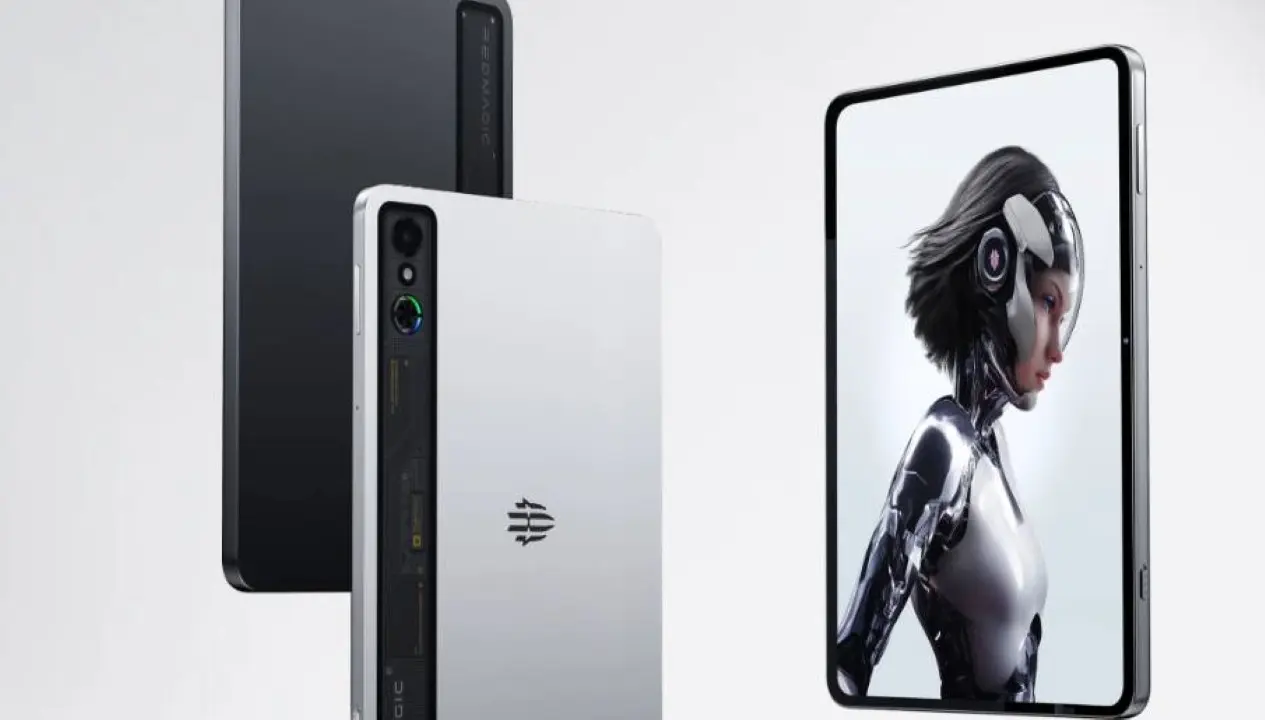
The market of mobile devices aimed at gamers is about to receive a major novelty with the arrival of the RedMagic Gaming Tablet 5 Pro. The Asian manufacturer has scheduled the official presentation of this equipment for the end of June, whose main attraction is the ability to run complex computer titles directly in an Android environment. This technological barrier is broken thanks to a proprietary emulation system developed by the brand, promising to transform the way users consume high-performance entertainment outside of traditional desktop computers.
Exclusive technology for software architecture translation
The great difference of the new equipment lies in its software engineering, specifically designed to deal with conventional computer architecture. The manufacturer integrated into its control panel, known as Game Space, a data translation layer capable of interpreting x86 instructions and making them work perfectly on the mobile processor. Historically, making PC software run on tablet chips requires massive computational effort due to the difference between ARM and x86 architectures, but the brand’s proprietary solution aims to deliver seamless execution, eliminating stutters and incompatibility issues that often frustrate gamers.
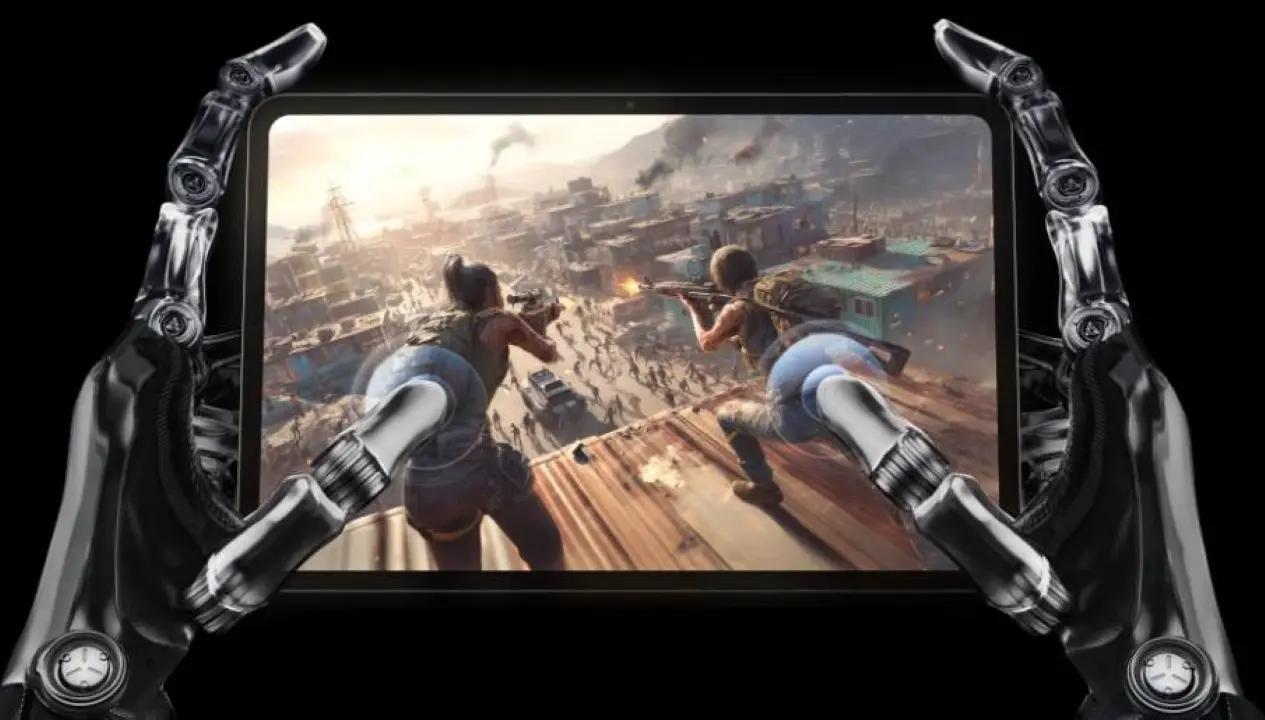
In practice, device owners will have the freedom to import their entire libraries from famous platforms, such as Steam, or even perform manual installation using conventional executable files with the .exe extension. When using this emulation tool, the system can sustain graphics at 2K resolution and maintain the refresh rate at 144 Hz. This means that the transition from the desktop monitor to the portable screen will not result in a significant loss of visual quality or response time to the player’s commands.
More on this story: RedMagic 11 Air gets global launch date with 7000 mAh battery
Extreme performance guaranteed by cutting-edge processing
To support the processing load required by cutting-edge games originally developed for computers, the device’s internal engineering relies on the Snapdragon 8 Elite Gen 5 chip. This extremely high-performance component represents the most modern in semiconductor manufacturing for mobile devices, offering the brute force necessary to decode heavy games in real time. Choosing this specific processor shows the company’s focus on competing directly with dedicated portable consoles that have gained popularity in recent years.
All this firepower works together with a very sophisticated liquid cooling mechanism, inherited from the brand’s experience in building gaming smartphones. The presence of this advanced thermal cooling is essential, as it prevents the heat generated by the processor from reducing the system speed during long gaming marathons. Temperature control ensures that the hardware operates at its maximum limit without the risk of overheating or sudden drops in the frame rate per second.
Superior image quality on the high definition panel
The visual experience was treated with the same priority as raw processing by the development team. The front panel features a 9.06-inch OLED technology screen, a size considered ideal by the industry to balance the device’s portability with the immersion necessary for complex games. The absence of thick borders maximizes the useful viewing area, delivering a modern design that is completely focused on the content displayed.
See Also

Electrical discharge knocks man off roof in Jaguaruana after contact with power lines

Global auction raises US$11.9 million and Brazil’s historic currency reaches record value

Former fighter Prichard Colón dies at age 33 after decade in a vegetative state
The technical specifications of the display include a native resolution of 2.4K and a peak brightness that reaches 1,600 nits, making it easier to see dark scenes in games even in brightly lit outdoor environments. Added to this, the screen offers an impressive refresh rate of 185 Hz, a number higher than that found in most monitors aimed at professional gamers. This feature ensures that character animations and rapid movements occur with absolute fluidity, providing a competitive advantage in online matches.
Power autonomy and versatile connectivity
Such demanding hardware requires a robust power supply to avoid leaving the user disconnected far from the sockets. With mobility in mind, the manufacturer equipped the model with a set of specifications focused on load durability and practicality for daily use, allowing for prolonged entertainment sessions.
- High-density battery with a total capacity of 8,500 mAh, designed to withstand the high consumption of the graphics processor.
- Support for 80W ultra-fast charging, ensuring quick energy replenishment in just a few minutes at the socket.
- Two ports in the USB-C standard, offering unprecedented flexibility for the tablet category.
The inclusion of two USB-C ports solves a long-standing problem for mobile platform players. With this configuration, it becomes possible to connect the power charger to one of the ports while the other remains free for using wired headphones, external controls or even transmitting an image to a larger monitor, transforming the tablet into a true desktop multimedia center.
Learn more: POCO X8 approaches launch with 9,000 mAh battery and high-resolution screen
Launch schedule and arrival on the global market
The official calendar sets June 30th for the start of sales and the revelation of all commercial details in Chinese territory. The launch event should confirm the RAM and internal storage variants, in addition to the prices charged in the Asian market, serving as a thermometer for the public’s reception of this new native emulation technology.
So far, the company has not released a specific date for the international distribution of the product. However, behind-the-scenes information from the technology industry indicates that the expansion strategy has already been drawn up. When the equipment crosses Asian borders towards the global market, including possible sales in the Americas and Europe, it should adopt the commercial nomenclature of RedMagic Astra 2, adapting to the brand’s international portfolio.