New Samsung smartwatches receive approval in China with 10W recharge
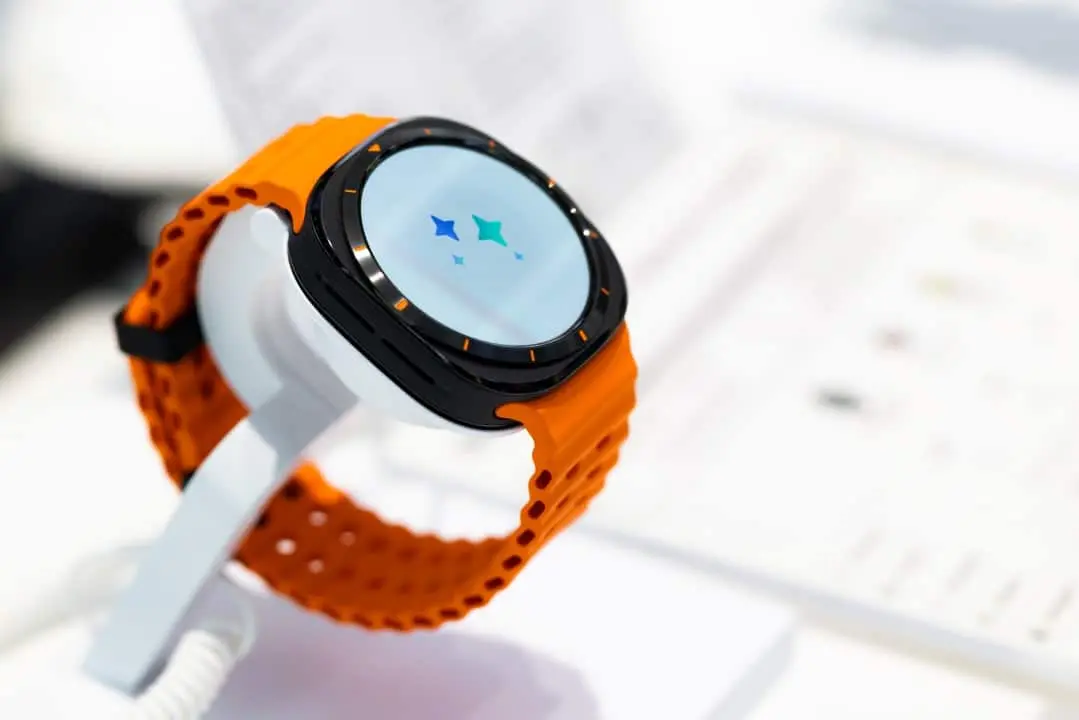
The South Korean manufacturer’s next generation of wearables has just passed a crucial step before reaching global shelves. Recent documents from the Chinese regulatory body revealed the registration of the long-awaited devices under the numbers SM-L3550 and SM-L7150. The approved technical data shows that the company chose to maintain the energy transfer rate fixed at 10W, repeating exactly the same electrical standard of 5V and 2A used in last year’s models. This technical decision shows that, unlike the smartphone market where recharge speeds easily exceed the 45W mark, the watch segment continues to operate under much more conservative parameters due to the physical limitations of the components.
The conformity seal issued by the Asian agency, formally known as China Compulsory Certification, functions as a mandatory passport for the sale of electronics in the country, attesting to strict safety standards against short circuits and overheating. Although the documentation guarantees the commercial viability of the devices and confirms that they passed electrical stress tests, enthusiasts who were waiting for a technological leap in plug time ended up frustrated with maintaining the old specifications. In practice, this means that the total time to take the battery from zero to one hundred percent should remain in the same range of one and a half to two hours seen in the current generation.
Signs point to imminent announcement of new smart watches
The emergence of these filings with government agencies often serves as the last bellwether before a global reveal, indicating that the final design and internal specifications have been fully defined. Technology market analysts point out that the production schedule is already in its final stretch, preparing the ground for the brand’s traditional gala event. Sources linked to the supply chain are betting that the official presentation will take place during the summer of the northern hemisphere, with July 22nd circulating heavily behind the scenes as the date chosen for Galaxy Unpacked, a stage that historically attracts millions of virtual spectators to learn about the company’s bets for the second half of the year.
More on this story: New Galaxy Watch 9 and Watch Ultra 2 receive certification in China and prepare to hit the market
- Official standard model identification under factory code SM-L3550.
- Premium variant registered in government systems with the nomenclature SM-L7150.
- Electrical power supply locked at a maximum limit of 10W for both versions.
- 435 mAh energy capacity designed specifically for the 44 mm version.
- Robust 784 mAh battery reserved for the most expensive and resistant edition of the line.
It is worth noting that the energy capacities listed still require definitive confirmation, as they derive from the crossing of information leaked by industry informants with raw data from the official record. The only irrefutable fact to date, stamped by certification engineers, is the stagnation in battery refueling technology. Experts point out that the difference in size between the batteries of the two models will result in very different usage experiences, with the more expensive version possibly achieving multiple days of autonomy, while the base model will require more frequent visits to the magnetic base.
Engineering challenges justify the manufacturer’s conservative choice
Wrist devices have an extremely restricted internal volume, which turns thermal dissipation into a real puzzle for hardware engineers. Raising the electrical current would require a complete redesign of the internal components and the inclusion of extra layers of graphene to prevent overheating in direct contact with the user’s skin. Faced with this challenging physical scenario, the Asian giant preferred to play it safe, guaranteeing the integrity of the equipment and the longevity of the lithium-ion cells rather than risking structural failures for a few minutes less plugged in.
This conservative stance reflects the same strategy adopted during the development of the previous generation of watches, which also did not present significant leaps forward in this department. Consumers who expected an evolution in charging speed will need to focus their expectations on other areas of the hardware, as the electrical architecture will remain unchanged. Current corporate strategy seems to direct all heavy research and development investments into the precision of medical biosensors, such as advanced sleep and blood pressure monitoring, in addition to seeking increasingly invisible and fluid communication with smartphones and headphones in the same family.
Next global event promises to expand the device ecosystem
The conference scheduled for the middle of the year should not be limited to just wrist accessories, sharing the spotlight of the global press with the company’s new generation of foldable cell phones, such as the Galaxy Z Fold 8 and Z Flip 8, which promise thinner hinges and brighter screens. Recent rumors also suggest the possible introduction of Galaxy Glasses smart glasses to compete directly in the emerging space computing segment. The leak of Chinese regulatory documents serves only as a technical preview, leaving surprises about suggested prices, titanium finish options and exclusive features based on artificial intelligence for the live broadcast.
See Also

Electrical discharge knocks man off roof in Jaguaruana after contact with power lines

Global auction raises US$11.9 million and Brazil’s historic currency reaches record value

Former fighter Prichard Colón dies at age 33 after decade in a vegetative state
Learn more: Slow charging of Galaxy Watch 9 and Ultra 2 forces users to tricks like fan and ice
Market analysts note that the manufacturer has found a commercial comfort zone, prioritizing aesthetic refinement and operating system stability over revolutions in energy management. The most robust version of the watch, the Watch Ultra 2, however, must compensate for the slow recharge with extremely high-resistance materials designed for extreme sports and an extended autonomy, thanks to the significantly larger energy tank. Only practical tests of continuous use, carried out after the analysis embargo has lifted, will be able to determine whether this equation of a larger battery with standard charging will make sense for the end consumer who invests in a premium product.
Bureaucratic approval defines the next steps for retail
The stamp from the Asian regulatory body indicates that the supply chain is already operating at maximum capacity to supply initial stocks shortly after the global announcement, avoiding shortages at launch. Historically, this type of government approval occurs approximately four to six weeks before official pre-sales open in the main markets. For the Brazilian public, this accelerated pace of international certifications suggests that the equipment will arrive at national retailers between the months of August and September, maintaining the traditional launch window in the country and preparing the ground for end-of-year sales.
In daily practice, the maintenance of the old electrical specification does not hinder the experience of the common user, who tends to get into the habit of leaving the accessory on the magnetic base while taking a shower or throughout the night. Old induction charging stations purchased in previous years will remain perfectly compatible with the new launches, reducing the generation of electronic waste. Those who consider extreme refueling speed a non-negotiable purchasing factor will have to explore the catalog of rival sports-focused brands or wait patiently for a future paradigm shift in tiny battery engineering.
Full coverage: Latest News (EN)