Omoda plans to launch E5 electric SUV for less than R$150,000 to take on BYD
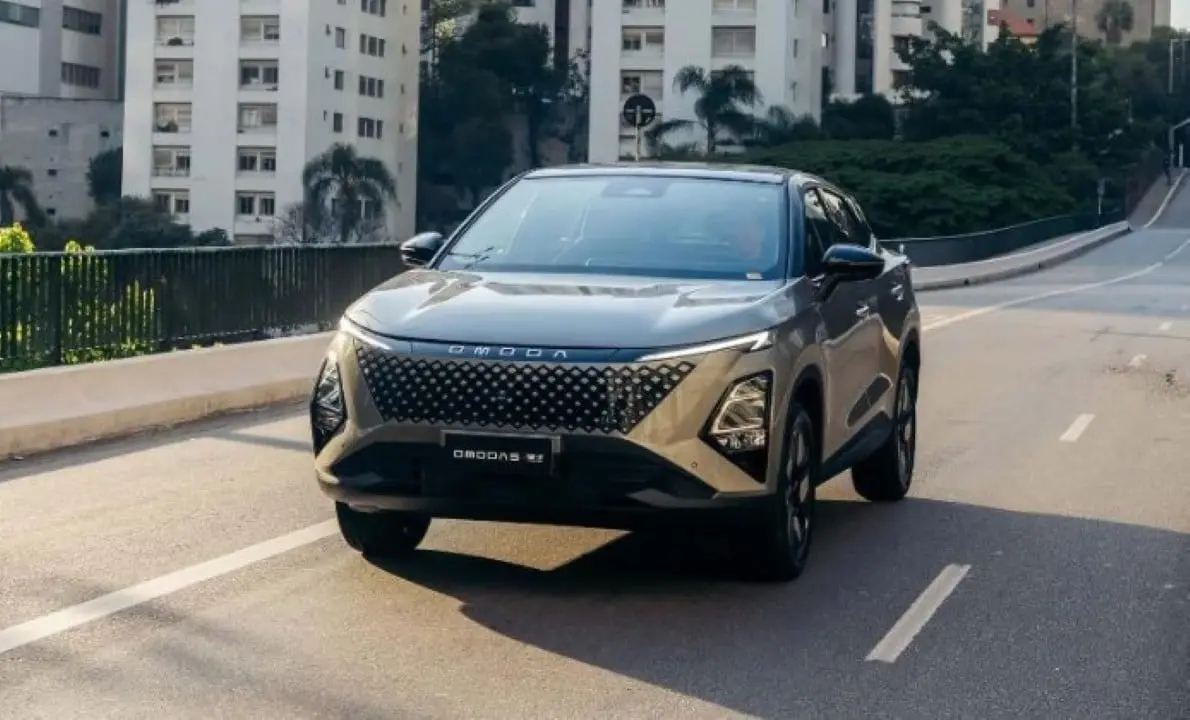
Chinese manufacturer Omoda, part of the Chery Group and which operates in the Brazilian market together with Jaecoo, has drawn up a new commercial plan to gain space in the competitive electric car sector. The automaker is working on developing a more affordable configuration of the Omoda E5 sports utility vehicle, with the aim of attracting drivers who seek the energy transition without giving up cost-benefit.
Today, anyone who wants to purchase the Omoda E5 at Brazilian dealerships needs to pay from R$209,990. However, the future variant should suffer a drastic cut of approximately R$60,000. This reduction would position the vehicle in the coveted R$ 149,990 range, the exact level where the current sales leaders in the entry-level category are fighting a real commercial war: the BYD Dolphin and the GWM Ora 03 BEV58.
How the dominance of Asian brands forces price adjustments
The national automotive ecosystem is undergoing an accelerated transformation, driven by the resounding success of automakers that focused on more accessible models. Vehicles like the Dolphin and Ora 03 set a new market rule by delivering robust technological packages for aggressive prices. Faced with this practical monopoly, competing companies are forced to recalculate their launch tables and strategies so as not to be isolated in the shop windows, justifying Omoda’s urgency in making its main product cheaper.
More on this story: Honda CR-V Advance Hybrid seeks space in the market with tradition and hybrid system
Technical data expected for the cheapest sports utility vehicle
The market projection indicates that the arrival of this unprecedented configuration of the Omoda E5 will have a direct impact on urban electric mobility choices. Preliminary technical data indicates that the automaker will be able to reduce production costs without sacrificing the core performance that characterizes the vehicle’s original design.
- Power delivered by the propeller: 204 horsepower (hp)
- Energy storage: 61 kWh battery pack
- Maximum range: up to 345 kilometers on a full charge, according to official Inmetro tests
Such specifications keep the utility vehicle on a technical par with its main rivals on the streets. The combination of engine power and autonomy suitable for daily commuting in large cities represents exactly what today’s consumer demands when switching to a power outlet.
See Also

Neighbors rescue 4-year-old child after fall from 5th floor in Poland

Horoscope of the day: Predictions for Libra show a period of decisive agreements and professional success

Munich: Boeing 787 Vietnam Airlines scrapes its tail on takeoff and makes an emergency landing after taking off off the runway
Low volume of registrations motivates change of commercial route
Since officially landing in Brazil, the current version of the Omoda E5 BEV has managed to register only around 500 units sold. This timid performance, when placed side by side with the thousands of monthly registrations of its rivals, raised an alarm among the brand’s management. The creation of a friendlier financial gateway serves as the company’s main move to popularize the SUV and ultimately boost its commercial results.
More than simply clearing stocks, the manufacturer sees this maneuver as a chance to fix the Omoda emblem in the minds of Brazilian drivers. The long-term plan involves building a network of loyal customers, proving that the company has the financial strength and industrial flexibility to meet the demands of a country that is adopting electrification at a constant pace.
What changes for the consumer with the new war of values
The introduction of a reduced-tag Omoda E5 promises to shake up the structures of the entry-level electric segment. The modern buyer has become demanding, looking for the perfect balance between on-board innovation, ecological appeal and a bill that fits the family budget. By positioning a mid-size SUV on the same financial shelf as the best-selling compact hatchbacks, the automaker can trigger a new wave of widespread discounts in the sector. Ultimately, this fight for space in garages benefits the end customer, who now has a wider range of efficient and economically viable alternatives.