Rare ‘Deer Moon’ paves way for July 2026 total solar eclipse
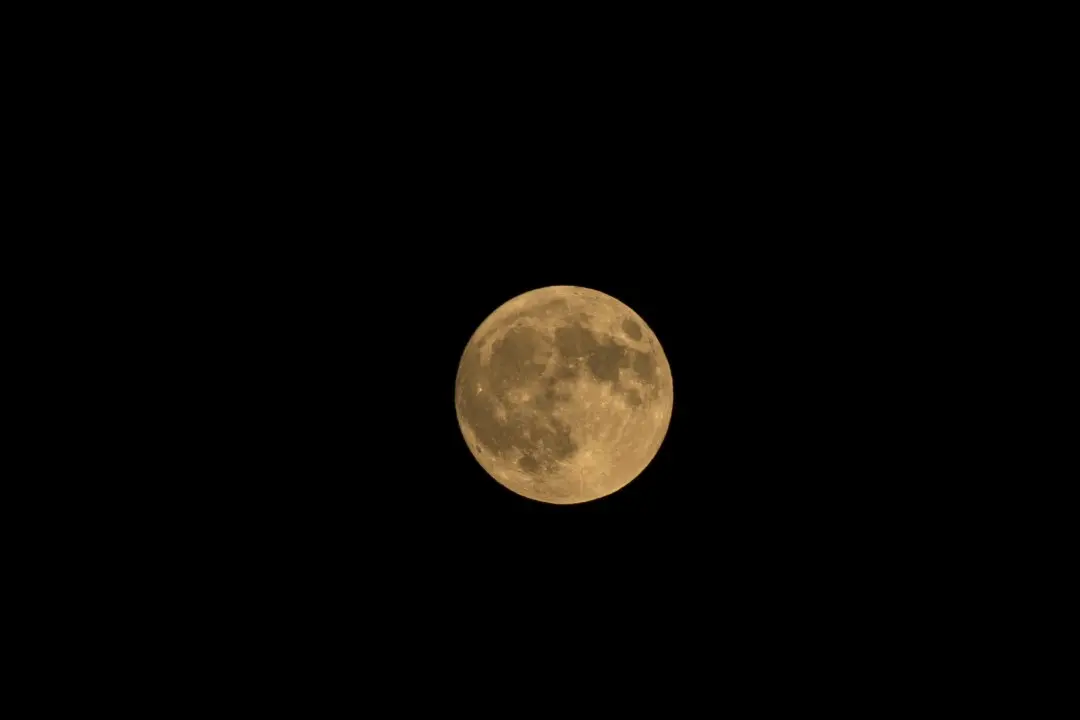
One of the most anticipated full moons, the so-called “deer moon”, which lights up the skies on July 29, 2026, will precede an even greater astronomical spectacle: a total solar eclipse. This celestial event promises moments of fascination for observers, as it casts its shadow and darkens the day in different regions of the planet.
Understand the meaning behind the name “deer moon”
The origin of the name “deer moon” dates back to ancient Native American traditions. They used this term to identify the time of year when male deer began to display their new, imposing antlers. The natural phenomenon therefore represents a period of renewal and vigorous growth of wildlife and nature in the middle of summer.
On the same topic: Lunar phenomenon in July 2026 prepares the sky for a major solar eclipse in Europe
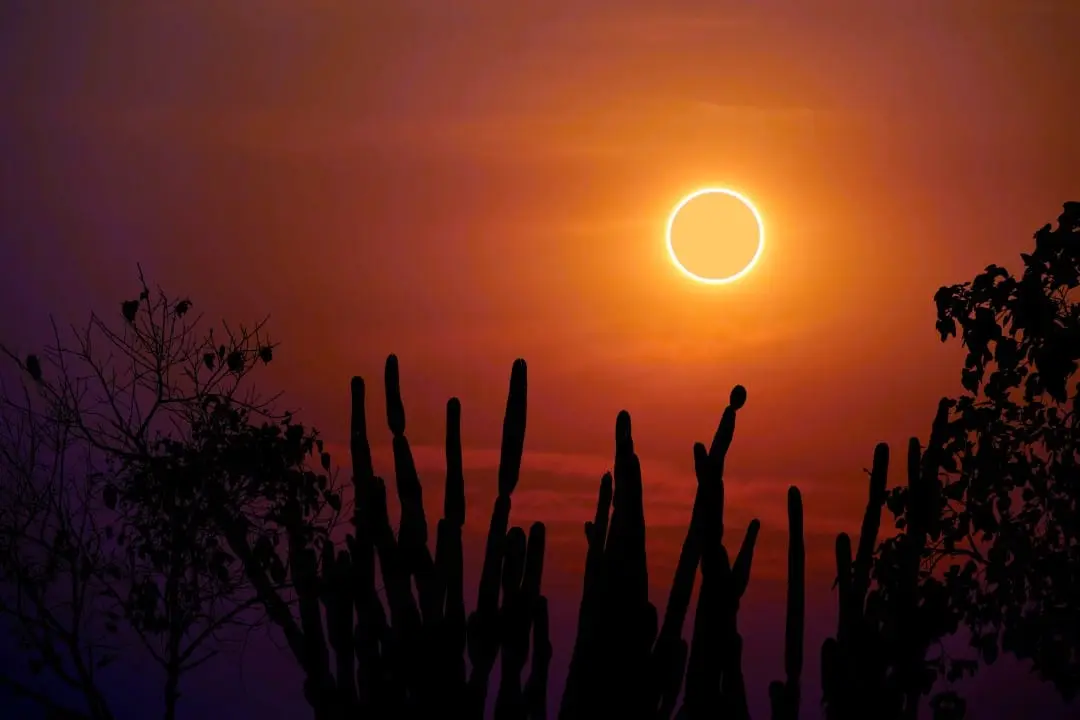
Find out when and where it will be possible to watch the total solar eclipse
The total solar eclipse, scheduled for July 29, 2026, will be an event of particular importance for astronomy enthusiasts located in parts of Europe. Countries such as Spain and Portugal, in addition to certain areas of the Arctic, will have the opportunity to witness minutes of total darkness, a unique moment provided by celestial alignment.
See Also

Electrical discharge knocks man off roof in Jaguaruana after contact with power lines

Global auction raises US$11.9 million and Brazil’s historic currency reaches record value

Former fighter Prichard Colón dies at age 33 after decade in a vegetative state
Although a full moon and a solar eclipse are distinct, the July moon’s position in the lunar cycle plays a crucial role in creating the ideal conditions for the subsequent solar eclipse. Both spectacles are natural phenomena directly linked to the complex orbit of the Moon around our planet, highlighting the interconnection of celestial bodies.
Celestial alignment and important tips for safe observation
In addition to the main astronomical events, sky admirers may have the chance to observe other phenomena during the same period in July 2026, such as occasional meteor showers. Experts emphasize the need to adopt appropriate safety measures when observing the solar eclipse, recommending the use of certified protective glasses to preserve eye health in light intensity.