End of an era: NTT Docomo shuts down 3G network in Japan and affects 350,000 users
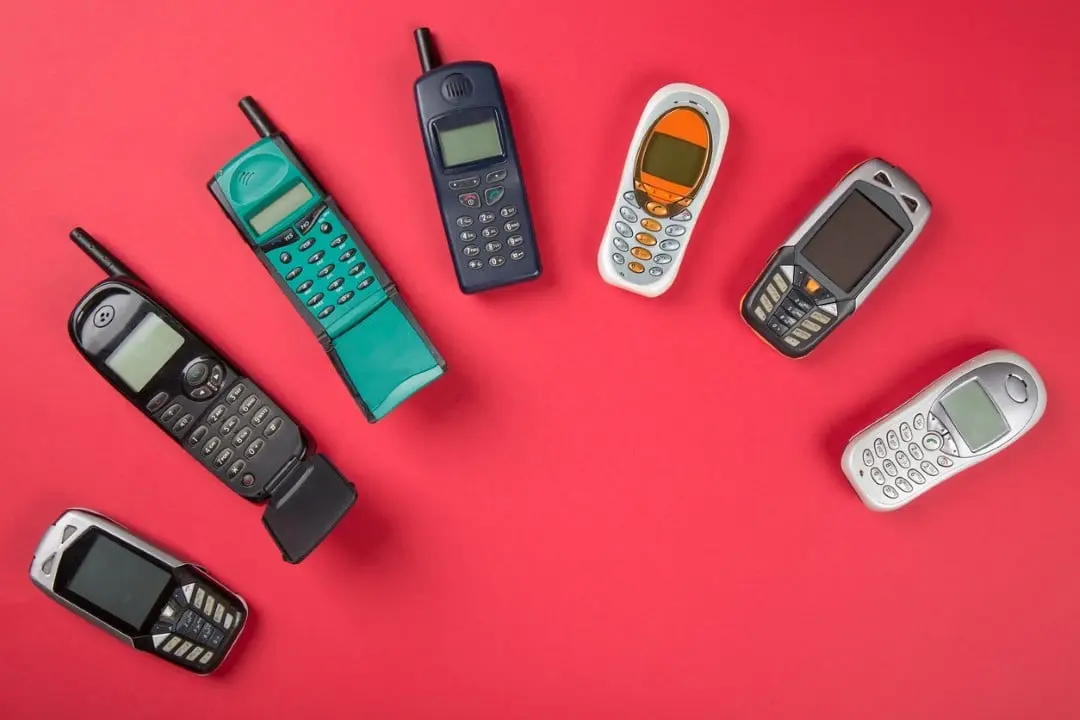
Telecommunications operator NTT Docomo officially ended the provision of its 3G signal throughout Japan on March 31, marking the definitive end of a technology that transformed communication in the country. The drastic measure, although widely expected by the technology market, left approximately 350 thousand customers without access to the mobile network, requiring a mandatory transition to more modern devices. This shutdown represents not just an infrastructure upgrade, but the end of a historic cycle for Asian mobile internet.
The deactivation movement is part of global strategic planning to accelerate the adoption of 4G and 5G networks, which offer infinitely higher speeds and lower latency in data transmission. The company’s 3G service, which was commercially named FOMA (Freedom of Mobile Multimedia Access), made history when launched in October 2001, consolidating itself as the first third generation network to operate commercially in the world. At that time, innovation put Japan years ahead of Western powers in consuming digital content via cell phone.
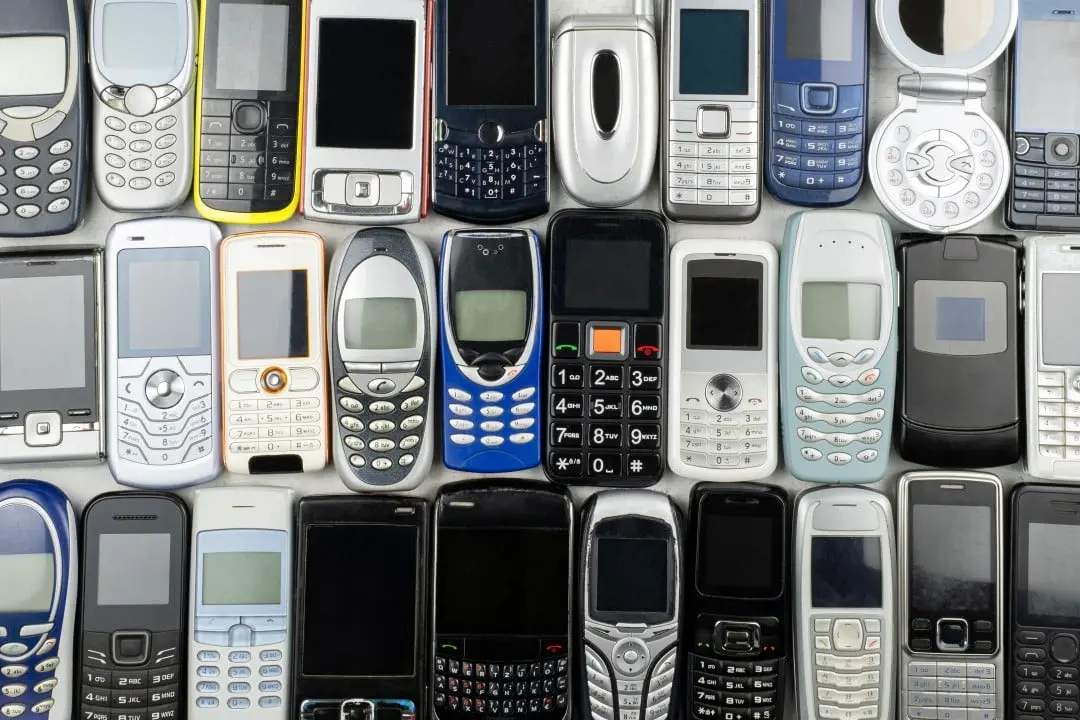
During its peak, recorded in 2011, the FOMA platform reached an impressive 40 million active subscribers, absolutely dominating the Japanese telecommunications sector. Now, with the closure of operations in this band, NTT Docomo is able to free up extremely valuable radio frequencies, which will be immediately reused to expand 5G coverage and begin practical tests for the future implementation of 6G. Spectrum reallocation is a fundamental technical maneuver to avoid data congestion in the country’s large metropolises.
More on this story: Reliance Jio launches Rs 123 plan for Nokia, Lava and itel entry-level phones in India
Historic impact of the first high-speed mobile internet
The introduction of 3G in the early 2000s completely revolutionized the way Japanese society interacted with technology on a daily basis, creating habits that persist to this day. For the first time, users were able to make video calls with acceptable quality, send emails with large files attached and browse the web fluidly through the legendary i-mode system. This pioneering ecosystem created a culture of mobile internet consumption long before the emergence of modern smartphones, establishing usability standards that would be copied globally in the following decade.
In the national competitive scenario, NTT Docomo was the last of the big giants to turn off its third generation transmitters, prolonging the service as long as possible. Its main rivals in the Japanese market had already completed this modernization process some time ago, with the operator KDDI (au) ending its 3G signal in March 2022, followed by SoftBank, which completed its transition in early 2024. Docomo’s resistance to keeping the network active for longer was precisely due to its huge base of loyal customers who were strongly reluctant to change devices.
The main obstacle to faster migration has always been the elderly public, who have a strong attachment to traditional flip cell phones, known in Japan as “garakei” (a reference to the Galapagos Syndrome, as they are highly evolved devices, but exclusive to the local market). These consumers value the simplicity of the system, the long battery life and the presence of large physical buttons, features that smartphones with touch screens do not offer with the same ease of use for people with motor or visual limitations.
On the same topic: Xfinity Mobile introduces plans with lifetime protection and global travel with no extra fees
Technical challenges and the definitive end of old services
From a telecommunications engineering point of view, maintaining a legacy infrastructure operating simultaneously with new generation networks generates exorbitant operational costs and a considerable waste of electrical energy. The definitive transition allows transmission towers to be updated with more efficient equipment, reducing the company’s carbon footprint and ensuring that the majority of the population has access to more stable connections. Furthermore, maintenance and finding replacement parts for old 3G antennas were becoming increasingly difficult in the international hardware market.
See Also

Electrical discharge knocks man off roof in Jaguaruana after contact with power lines

Global auction raises US$11.9 million and Brazil’s historic currency reaches record value

Former fighter Prichard Colón dies at age 33 after decade in a vegetative state
With the final signal cut, devices that operate exclusively on the 3G frequency instantly lost the ability to make or receive voice calls, send text messages and access any internet portal. Customers who ignored prior warnings and did not change their chip or mobile device are now completely incommunicado via the cellular network, relying only on Wi-Fi connections. The operator has repeatedly warned over the months that there will be no extension of the deadline or exceptions for the temporary reactivation of the affected lines.
Assistance programs for the technological transition of the elderly
To mitigate the social impact of this drastic change, NTT Docomo structured a massive task force over the last two years, focused exclusively on helping the most vulnerable portion of its customer base. The company mobilized thousands of employees in its physical stores to offer personalized service, patiently explaining the advantages of new devices and teaching the basic concepts of navigating on touch screens. The board’s central objective was to ensure that no citizen was digitally excluded after the signal was permanently turned off.
As part of this broad digital inclusion strategy, the telecommunications company implemented a package of practical benefits to encourage equipment updates before the stipulated deadline. The main initiatives adopted by the operator to make life easier for the most resistant consumers included the following direct support actions:
Learn more: Rakuten Mobile operator plans rate adjustment in Japan to contain rising costs in 2026
- Free distribution of basic smartphones to eligible customers who delivered their old devices to the brand’s authorized stores.
- Conducting weekly educational workshops, where instructors taught seniors how to use messaging apps, take photos and make video calls with family.
- Application of substantial discounts on monthly fees for 4G and 5G data plans during the first year of the contract for newly migrated users.
This corporate effort is directly aligned with the Japanese government’s guidelines to accelerate digital transformation across all layers of society by modernizing the country’s infrastructure. By forcing migration to smart devices, authorities hope to facilitate access to online public services, natural disaster early warning systems and telemedicine platforms, which are vital for a nation that has one of the oldest populations on the planet. Ultra-high-speed connectivity has become a fundamental pillar for public safety and social well-being.
The open path to innovation with 5G and the internet of things
Although the shutdown of the FOMA network brings a strong sense of nostalgia to many Japanese who grew up exchanging emails with pixelated emojis, the end of this era is exactly what makes the advancement of revolutionary technologies possible. The freed up bandwidth will be crucial to support the explosion of devices connected to the Internet of Things (IoT), enabling everything from the safe operation of autonomous cars on highways to the intelligent management of traffic lights and energy networks in so-called smart cities. The investment focus is now fully focused on consolidating 5G coverage in rural areas.
The constant evolution of telecommunications standards demonstrates that digital infrastructure requires cyclical and inevitable renewals to keep up with humanity’s growing data processing demands. Just as 3G replaced old analog signals in the past, the current scenario paves the way for artificial intelligence and augmented reality to operate without connection bottlenecks in the near future. This uninterrupted cycle of planned obsolescence and innovation reaffirms that technological adaptation is a continuous necessity for both large corporations and end consumers around the world.