Fan project recreates Counter-Strike on PSP and surprises with 60 frame performance
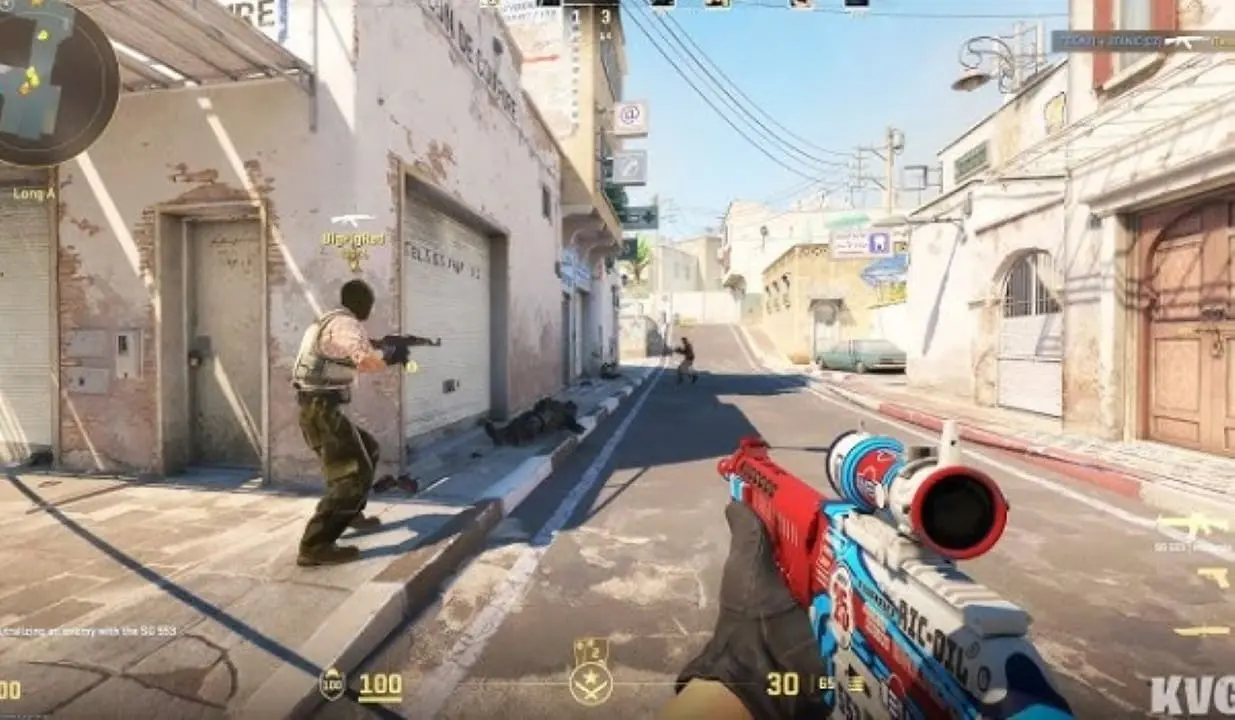
An impressive achievement in the hardware and software modding community entered the spotlight on July 28, 2026, proving that the passion for classic games has no expiration date. An independent programmer achieved the feat of making the iconic shooter “Counter-Strike” run natively on the PlayStation Portable, the famous PSP. The initiative, commercially named by enthusiasts as OpenStrike, represents a milestone in reverse engineering and code optimization, uniting two passions of digital culture that had never officially crossed paths. The feat immediately rekindled the nostalgia of millions of users and raised debates about the hidden power of hardware considered obsolete by the current industry.
The historic meeting between the computer classic and Sony’s portable console
During the first decade of the 2000s, the electronic gaming scene was largely dominated by Internet cafes, where version 1.6 of “Counter-Strike” reigned supreme on computers. The original title used the GoldSrc graphics engine, a profound modification of the technology from the first Quake, which made it perfect to run on desktop machines with different configurations. In the same period, more specifically from 2005 onwards, Japanese manufacturer Sony revolutionized the pocket market with the launch of the PSP, a device that promised to deliver PlayStation 2 graphics in the palm of your hand. The modding community, known as the homebrew scene, has always been very active on the portable, creating emulators and homebrew apps.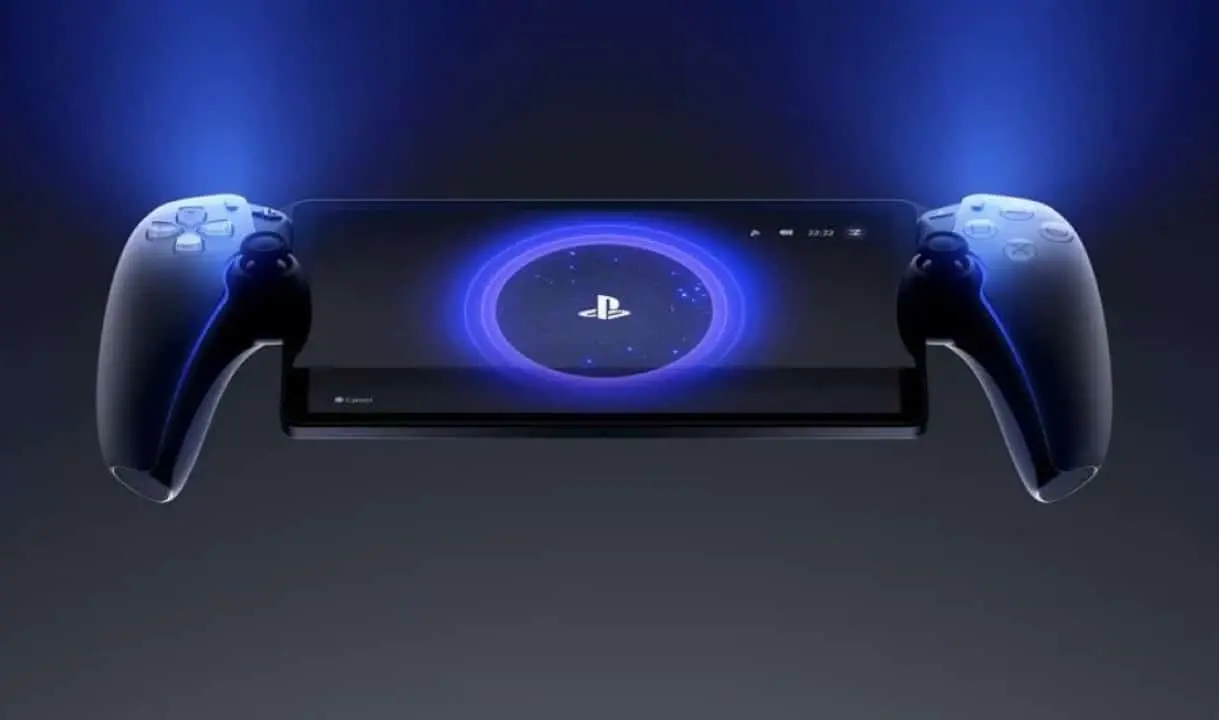
Despite both platforms sharing the same generation of players and a resounding sales success, Valve, the company responsible for the shooting franchise, never showed interest in developing an official version for the Sony ecosystem. This vacuum of more than two decades ended up serving as fuel for independent developers. The OpenStrike project does not act like a traditional emulator that tries to trick the system into running a computer file. This is a complete recreation of the game’s logic, requiring the user to have the original legally purchased files to extract the maps and three-dimensional models.
Behind the scenes behind the creation of the graphics engine developed by Yifeng Wang
The architecture that brings virtual gunplay to life on the console’s small screen was built from scratch to understand the device’s limitations. The brain behind this operation goes by the name of Yifeng Wang, an expert in open source technologies who works under the pseudonym doodlewind on the project hosting platform GitHub. With a career focused on creating interfaces and tools for the internet, the programmer saw the old video game as the perfect environment to test the limits of two of his experimental creations: the PocketJS and Pocket3D libraries.
Learn more: Developer adapts Counter-Strike for PSP in project that challenges old hardware
The researcher’s central objective was far from just creating a way to play video games on the bus. He wanted to prove to the software engineering community that his new code architecture was robust enough to manage complex three-dimensional environments in real time, going far beyond simply displaying static menus and buttons. The choice for the Sony device was strategic and ruthless. By using equipment with severe processing restrictions, Wang eliminated the possibility of masking poorly optimized codes with the use of brute force, something common in modern computers that have gigabytes of memory left over. If the system worked there, it would work anywhere.
Main hardware barriers faced during system programming
Adapting a tactical combat environment designed for keyboards and mice into turn-of-the-century pocket hardware required overcoming severe technological bottlenecks. Sony’s equipment had an internal architecture that required creative solutions to avoid completely freezing during virtual firefights.
- The video game’s central processor operated under the MIPS architecture, a set of instructions completely different from the x86 standard used by desktop computers, preventing any attempt to directly convert Valve’s original code.
- The amount of random access memory was a logistical nightmare, as the original model of the device (known as the PSP-1000) only had 32 MB in total, leaving a measly 24 MB free for loading textures, sounds and artificial intelligence.
- The main chip worked with a maximum frequency of 333 MHz, a number that required each programming line to be extremely streamlined to avoid slowdowns.
- The performance goal established by the creator was to achieve a fluidity of 60 frames per second, which forced the system to calculate physics, the position of enemies and draw the entire screen in an interval of just 16.7 milliseconds.
Faced with this restrictive scenario, the developer had to act as a meticulous translator, writing a new database that communicated intimately with the console’s silicon components, ensuring that no processing cycle was wasted on secondary tasks.
See Also

Nintendo launches nine games in May 2026 to unite Switch generations

NASA accelerates Artemis 3 mission with assembly of the Orion spacecraft and new tests
Apple system update crashes cell phones and drains battery quickly
Optimization tricks that ensured the fluidity of virtual combats
To overcome the machine’s lack of raw power, the strategy adopted was to anticipate calculations. The project’s golden rule determined that the video game should never calculate in real time something that could be previously solved on the developer’s computer.
On the same topic: Google launches Gemini 3.7 Flash with coding improvements and promotional price for developers
- The lighting of the scenes is no longer dynamic and is now “baked” directly into the geometry of the walls and floor, eliminating the need to process complex shadows during the characters’ movement.
- The audio files and visual textures went through an aggressive compression and resizing process, adapting perfectly to the laptop’s native screen resolution and saving precious space in RAM memory.
- The system started using BSP tree reading, a classic technique that divides the map into sectors and instructs the processor to draw only the corridors and boxes that are in the player’s direct field of vision, completely ignoring what is behind the walls.
Rigorous application of these resource-saving techniques yielded impressive results in practical tests. When loading the legendary de_dust2 map on a physical device, the measurement tools confirmed that the screen refresh rate remained at the desired target, even when multiple elements appeared simultaneously on the scene.
The current state of modding and the future of experimentation on old consoles
Despite the undeniable technical success, the current version of OpenStrike functions strictly as a proof of concept for programming enthusiasts. The experience still lacks fundamental elements that define the franchise’s identity, such as the possibility of connecting to servers to play with other people over the internet and the iconic circular menu for purchasing weapons and equipment at the beginning of each round. The artificial intelligence of enemies controlled by the machine also requires refinements to simulate the behavior of real players.
Even with these temporary absences, the initiative delivers exactly what it promised: the tactile and visual sensation of walking through the corridors of one of the most important games in history on an unlikely platform. The legacy of Yifeng Wang’s work transcends the simple emulation of an entertainment product. The research proves that the constraints imposed by old hardware continue to be one of the greatest catalysts for creativity in software engineering. The unlikely marriage between the computer giant and the small notable of Sony is no longer an urban legend on internet forums and is consolidated as a milestone in the preservation and reinvention of digital history.
More on this story: Pioneer brings back 1980s style with launch of the TS-X40 car speaker