Snap’s Challenge: Make Its $2,000 Glasses a Fashion Trend
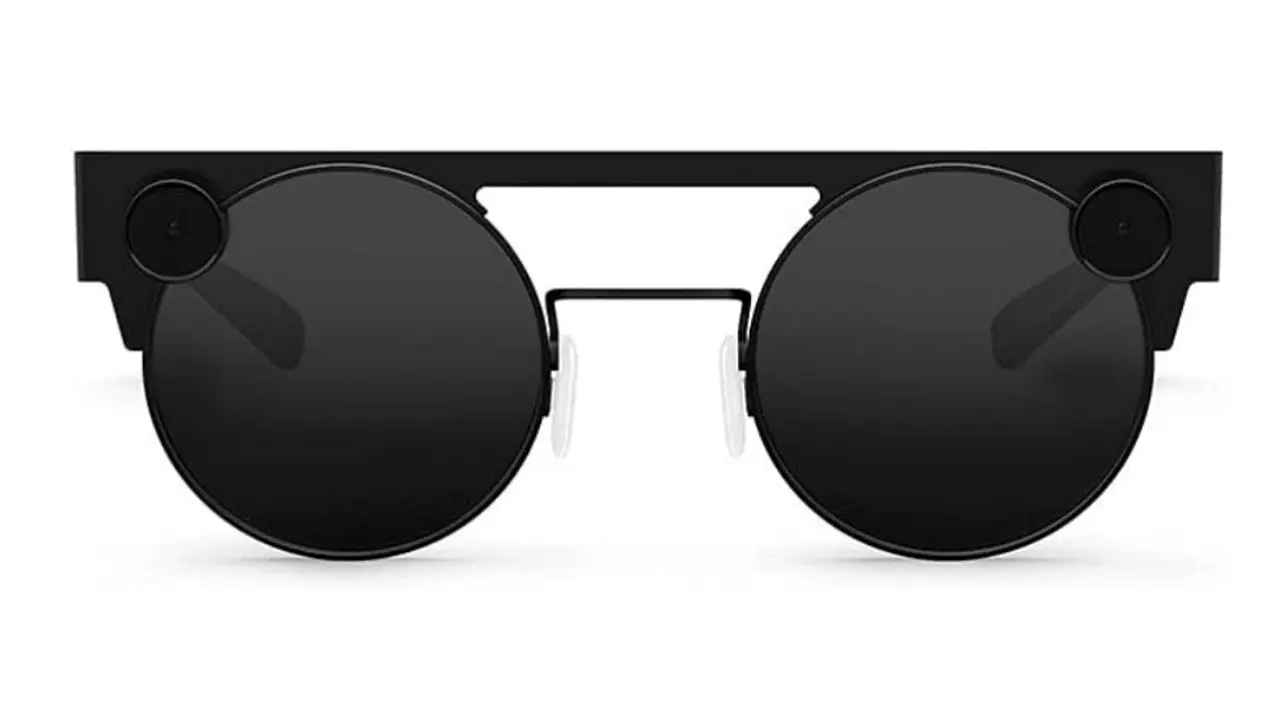
The attempt to merge fashion and technology reaches a new level of complexity when it comes to smart glasses. For Snap, the company behind the popular Snapchat app, the issue isn’t just about making a high-cost device, it’s about convincing the public that its $2,000 glasses can be a stylish and desirable accessory.
Spectacles 3, the latest model of Snap’s smart glasses, exemplifies this difficulty. Its robust design and thick lenses often raise questions about its practicality and aesthetic appeal for everyday use, especially in social settings.
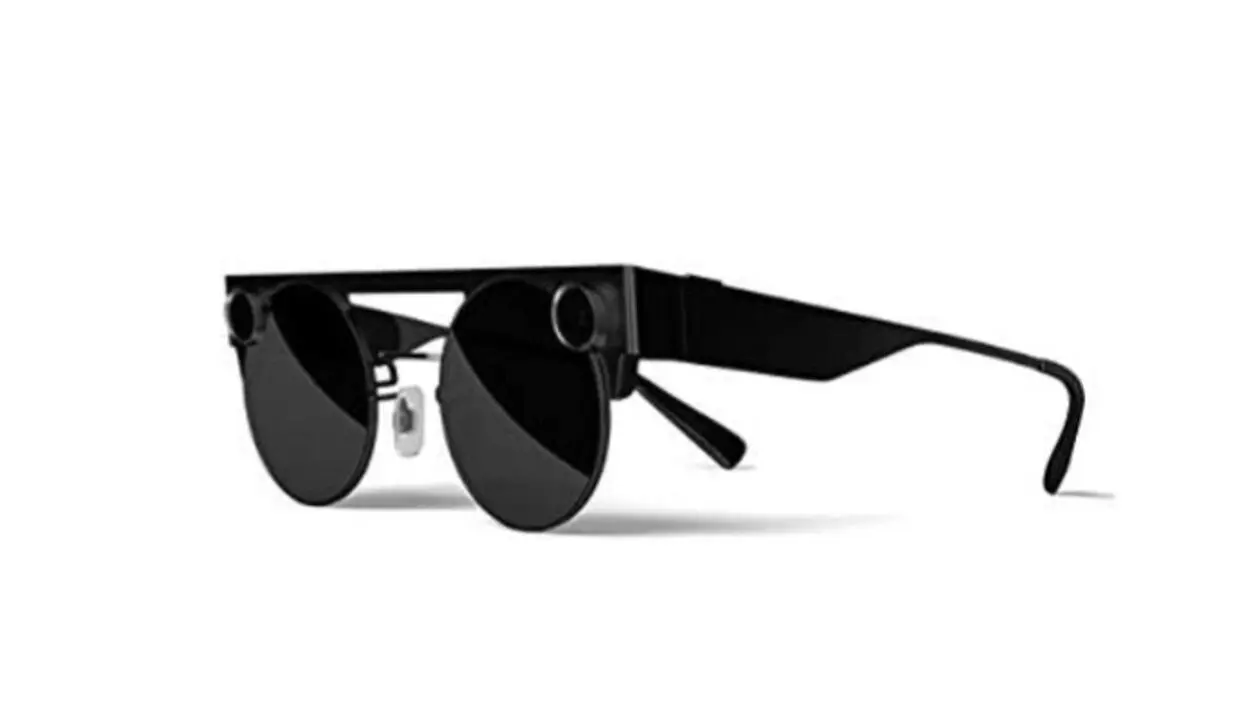
Even people with fashion experience, such as models and digital influencers, face barriers to integrating Spectacles 3 harmoniously into their looks. The images released by the company itself, with carefully produced professionals, reveal the effort to demonstrate a fashion potential that does not always translate into reality.
More on this story: Snap launches $2,195 Specs glasses with focus on human interaction and bold design
The main barrier lies in the inherent contradiction between the nature of wearable technology and the standards of haute couture. While technology seeks functionality and, sometimes, visibility of components, fashion values lightness, delicacy and discretion, preferring devices to become imperceptible or thoughtful design elements.
This difficulty is not unique to Snap; other big names in technology have faced similar setbacks. Google Glass, for example, launched with great expectations, failed to win over the public in part due to its futuristic and noticeable look, which did not align with the tastes of most consumers.
See Also

Electrical discharge knocks man off roof in Jaguaruana after contact with power lines

Global auction raises US$11.9 million and Brazil’s historic currency reaches record value

Former fighter Prichard Colón dies at age 33 after decade in a vegetative state
Companies like Meta, in turn, took a different approach when collaborating with Ray-Ban, creating glasses that look more like traditional models, integrating the technology in a less overt way to facilitate acceptance.
Even with initiatives such as Snap’s partnership with Dior, presented at high-profile events, the road to mass acceptance of smart glasses as fashion items is still long. The collaboration sought to elevate Spectacles’ status, but the challenge remains.
The public’s perception of privacy is another important factor. The idea of carrying a camera constantly on your face can be uncomfortable, adding a social and ethical layer to the already complex design and style equation.
Despite investments and attempts at innovation, the smart glasses industry continues to struggle to find the ideal balance between technological functionality, affordable price and, above all, a design that truly seduces consumers and fits the definition of a fashion accessory.