Toyota cuts price of 2026 RAV4 plug-in hybrid by more than $3,000 By Carolina Costa
4 min read
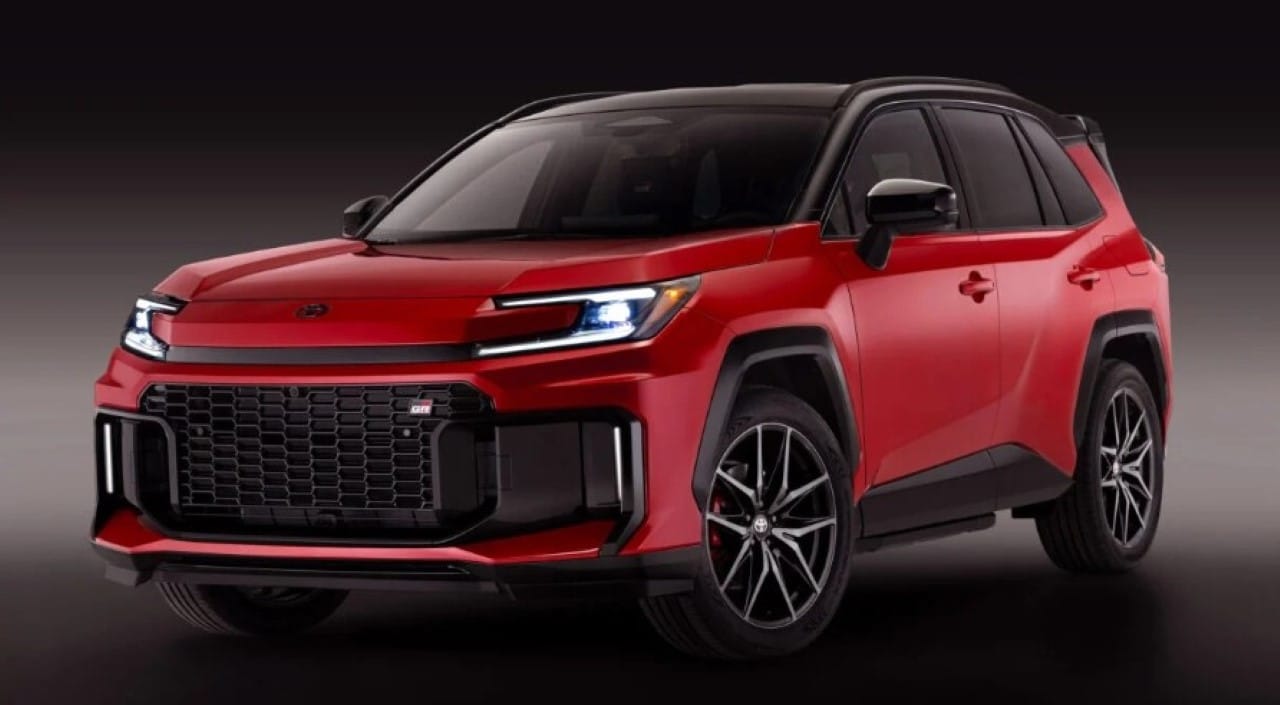 |
Japanese automaker Toyota has just announced significant changes to its most popular SUV, revealing that the 2026 model year of the plug-in hybrid RAV4 will lose the “Prime” moniker. In addition to the new nomenclature, the manufacturer applied an aggressive reduction in the amounts charged at dealerships, cutting more than US$3,000 from the initial price. The entry-level SE version, for example, will be sold for US$41,500, which represents an exact discount of US$3,315 compared to the previous year. The vehicle maintains its praised mechanical package, delivering a robust 324 horsepower and a purely electric range that reaches 42 miles.
This change in the vehicle’s name has a clear strategic purpose for the brand in the global market. By adopting the acronym PHEV (Plug-in Hybrid Electric Vehicle), the North American division aligns its communication with what is already practiced in Europe and Japan, making it easier for consumers to identify the technology. The movement occurs at a time when the energy transition dominates the agenda of the automotive sector, allowing buyers to immediately understand that the car can be recharged at the socket, maintaining the versatility of the combustion engine for long journeys.
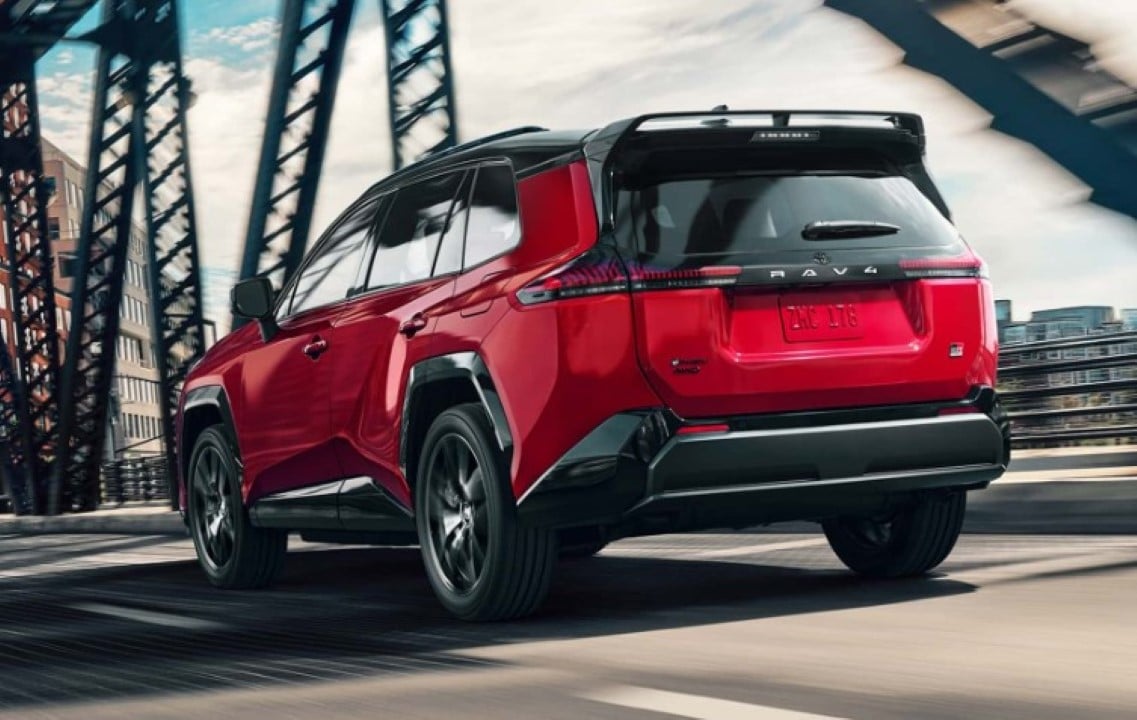
In terms of appearance and finishing, the 2026 line receives subtle updates, but these help to maintain the freshness of the project in the face of strong rivals such as the Honda CR-V. The bodywork features slight touches to the front grille and new designs for the alloy wheels, giving the utility vehicle a slightly more aggressive stance. These aesthetic changes were designed to attract a younger audience, without alienating the traditional clientele who value the sobriety and reliability characteristic of the company’s products.
New values and versions available for the North American market
Analyzing the updated price table, there is a considerable effort to make electrification more accessible. While the SE model starts at US$41,500, the top-of-the-line XSE configuration has been priced at US$45,300, a notable drop compared to the US$50,000 barrier previously charged. It is worth remembering that, according to United States market practices, buyers still need to add the mandatory shipping and processing fee, set at US$1,450 for all registrations.
The big surprise in the catalog for this season is the introduction of the unprecedented GR Sport variant, developed for those looking for a more engaging driving experience. Strategically positioned with a suggested retail price of US$48,500, this version incorporates the racetrack DNA of the Toyota Gazoo Racing division into the SUV’s familiar shape. The objective is to capture a market share made up of drivers who need space for their family, but do not give up on a bold look and superior dynamic behavior.
With this financial restructuring, the cost-benefit ratio of the plug-in rechargeable utility reaches its best moment since the launch of the current generation. The drastic reduction in the price tag considerably reduces the financial distance between the plug-in model and traditional hybrid versions that do not plug into a socket. Industry experts point out that this smaller margin will make the PHEV the logical choice for thousands of families, accelerating the return on investment through daily fuel savings.
What changes in the unprecedented sports configuration signed by Gazoo Racing
The GR Sport package goes far beyond mere decorative stickers and colored stitching in the cabin. The Gazoo Racing engineering team completely reworked the suspension geometry, installing stiffer springs and sport-calibrated shock absorbers to minimize body roll in tight corners. This exclusive tuning guarantees a much more direct and communicative steering response, transforming the way the vehicle behaves on winding roads, without completely sacrificing comfort on bumpy urban roads.
Upon opening the doors of the sporty configuration, occupants are welcomed by an environment that breathes performance and exclusivity. The front seats have prominent side flaps to hold passengers’ bodies during more sudden maneuvers, and are covered in a mix of synthetic leather and high-grip suede. Darkened details on the dashboard, aluminum pedals and contrasting red stitching complete the cabin atmosphere, distancing the model from versions focused solely on utilitarian use.
One of the greatest technological assets of the GR Sport version is the inclusion of the direct current (DC) fast charging system as a standard item. This functionality allows the battery pack to jump from 10% to 80% of its capacity in just 35 minutes when connected to a compatible charging station. Interestingly, this same ultra-fast charging capacity is only offered as an optional package paid separately for customers who opt for the XSE version.
Mechanical performance and electrical autonomy of the utility vehicle
With regard to energy efficiency, the model continues to be an absolute reference in its segment. The SE and XSE configurations retain the robust lithium-ion battery pack that provides up to 42 miles (approximately 67 kilometers) of completely emission-free driving. This electric range is statistically higher than the average daily commute of most North American drivers, allowing the journey from home to work to be completed without the combustion engine needing to be activated.