Price of the future iPhone 18 Pro should experience historic highs and reach unprecedented levels
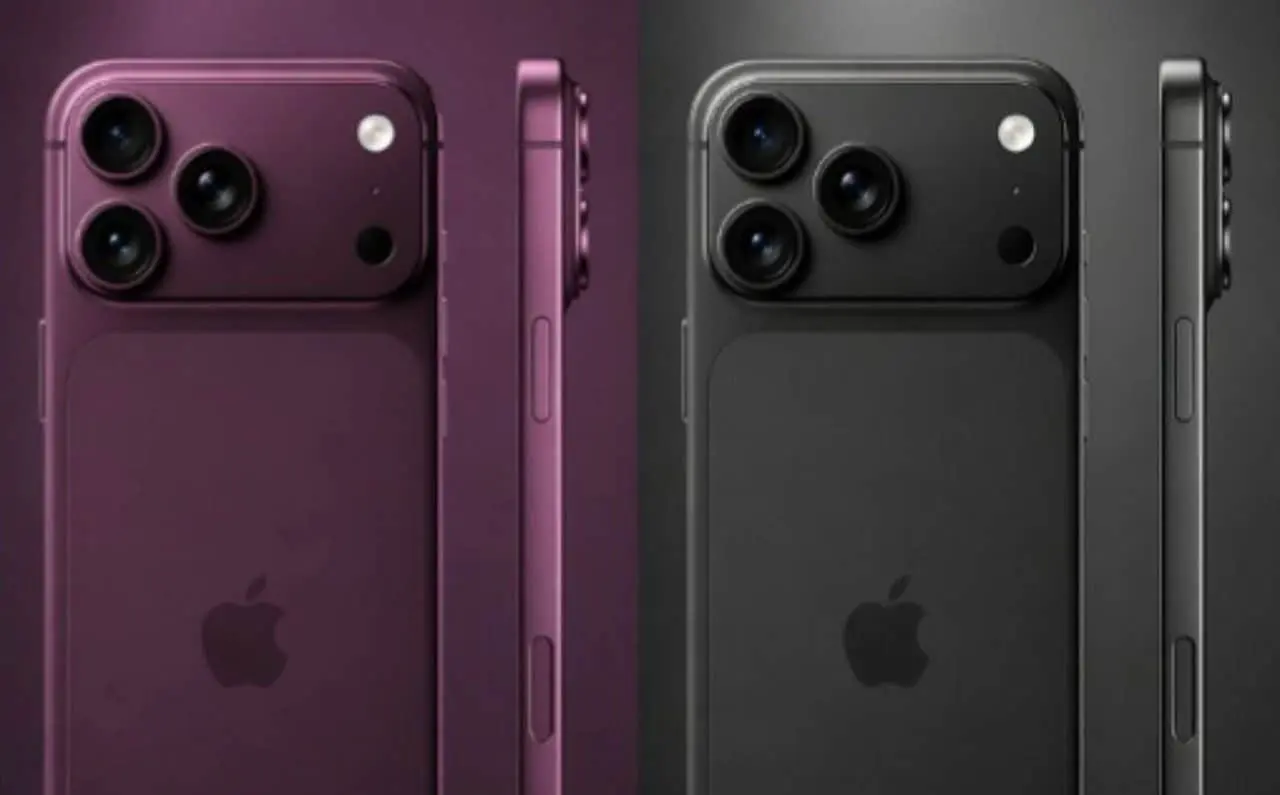
The world of mobile technology is closely following recent unofficial information about a significant financial leap in Apple’s next line of smartphones. Sources linked to the supply chain indicate that the iPhone 18 Pro, scheduled for the second half of 2026, could debut at retail starting at US$1,399. This amount means an increase of US$300 in relation to the models currently sold, representing a 27% jump that defies the projections of experts in the digital economy. Even with the company’s tradition of focusing on the premium segment, an increase of this magnitude raises questions about buyers’ absorption capacity.
Aggressive pricing strategy tests consumer limits
Market analysts assess that the transition from the US$1,099 level to US$1,399 represents a high commercial risk movement. Since the launch of the iPhone 11, the Pro variant has maintained remarkable consistency in its label, making this 27% increase an outlier in the manufacturer’s trajectory. For comparison purposes, the recent refresh of the entry-level MacBook Pro raised the cost from US$1,699 to US$1,999, an 18% variation that had already sparked debate. This percentage difference suggests the creation of a super luxury niche, where heavy investments in research into new semiconductors and state-of-the-art photographic lenses are transferred without cushion to the customer.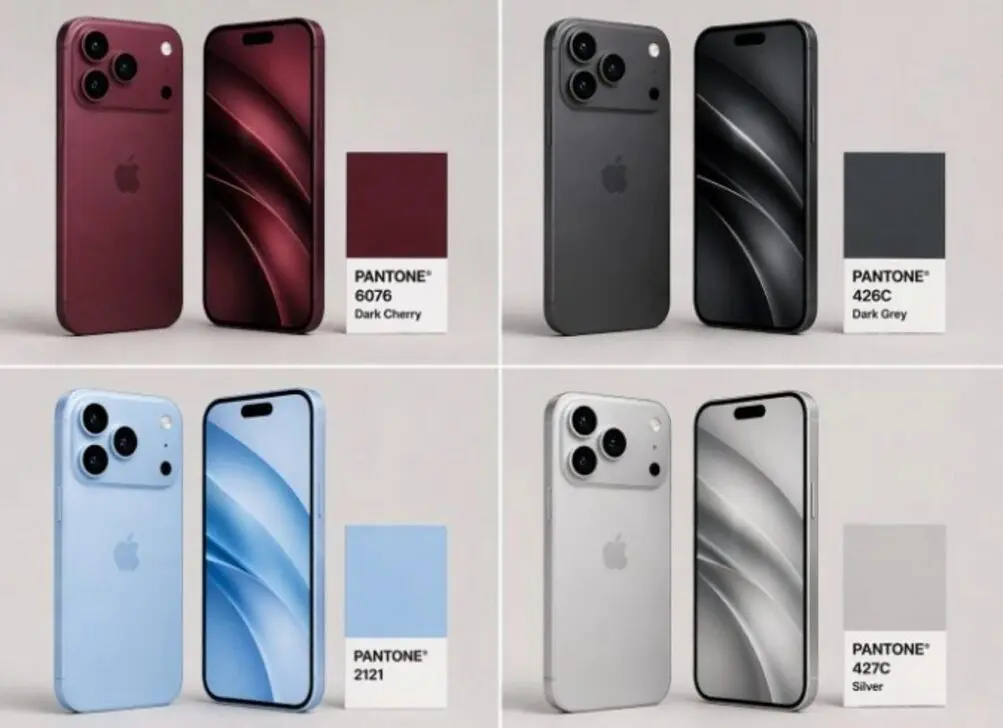
How the Cupertino giant’s computers dictated the uptrend
The practice of raising the entry cost of its devices is not an unprecedented maneuver for the California corporation. Often, the official justification lies in global inflation affecting the supply chain, making fundamental parts such as RAM memory chips and ARM architecture processors more expensive. When analyzing the brand’s latest launches, an upward trend in the prices charged for its portable computers is evident:
Learn more: Jovi’s new smartphone arrives in Brazil costing R$20,000 with a focus on photography
- The most basic edition of the MacBook Air saw an increase of US$200, going from the traditional mark of US$1,099 to US$1,299.
- The MacBook Neo model, known for being the gateway to the ecosystem for US$599, has been readjusted and now costs US$699.
- Machines aimed at the corporate public, such as the initial MacBook Pro, became US$300 more expensive, reaching the figure of US$1,999.
Such changes in different product categories reveal a structural change in the way the company projects its finances. The strategy points to a willingness to give up a greater number of units sold, prioritizing the maintenance of high profit margins in a macroeconomic environment that shows signs of contraction.
The complex calculation behind chief executive Tim Cook’s decisions
In previous conferences with shareholders, Tim Cook explained the logic that governs the definition of labels in stores. The executive made it clear that pricing transcends the sum of manufacturing costs, requiring a delicate balance between the number of devices shipped, the gross revenue generated and the net profit. According to the CEO, these three pillars guarantee the sustainability of the business in long-term windows, shielding the operation against quarterly crises. However, including an additional cost of 27% in the company’s flagship product has the potential to drastically reduce sales volume, which would force management to review its projections to avoid a flight of regular customers.
See Also

Electrical discharge knocks man off roof in Jaguaruana after contact with power lines

Global auction raises US$11.9 million and Brazil’s historic currency reaches record value

Former fighter Prichard Colón dies at age 33 after decade in a vegetative state
Change in purchasing behavior and extending the useful life of devices
Such a high barrier to entry has enough strength to transform the way people consume electronics, mainly affecting those who purchase the goods in cash. Charging almost fourteen hundred dollars for a smartphone will make the replacement interval, which is currently around three years on the global average, easily expand to four or five years. Furthermore, parallel rumors indicate that the most radical design changes will be restricted to models after 2026. This scenario discourages immediate purchases, leading consumers to preserve their current equipment instead of spending an exorbitant amount for specific improvements.
On the same topic: Experts consecrate Galaxy S26 Ultra as Samsung’s main highlight of the year
To try to soften the impact of this internal inflation, the brand offers an annual subscription-based update program in selected markets. This recurring payment method masks the real increase in the product and ensures that the individual continues to consume the company’s digital services. However, for the overwhelming majority of buyers around the world, who depend on traditional retail and do not have access to these direct credit facilities, the final amount charged on the shelf will remain a financial wall that is difficult to climb.
The domino effect that the new table could have on the luxury market
Setting the base iPhone 18 Pro at $1,399 will inevitably generate repercussions throughout the telecom ecosystem. As Apple acts as the main beacon for the high-end segment, its decision will act as a guide for direct competitors, such as Samsung and Google. Manufacturers in the Android universe will have the opportunity to inflate their own elite devices or adopt an aggressive price-freezing stance to capture Apple defectors. Regardless of the path chosen by rivals, the movement marks the era of ultra-premium smartphones, where access to cutting-edge photography and processing technologies becomes a privilege for a few, raising doubts about the viability of this commercial format in the next decade.