2026 ranking details the 20 cities with the highest air pollution in the world
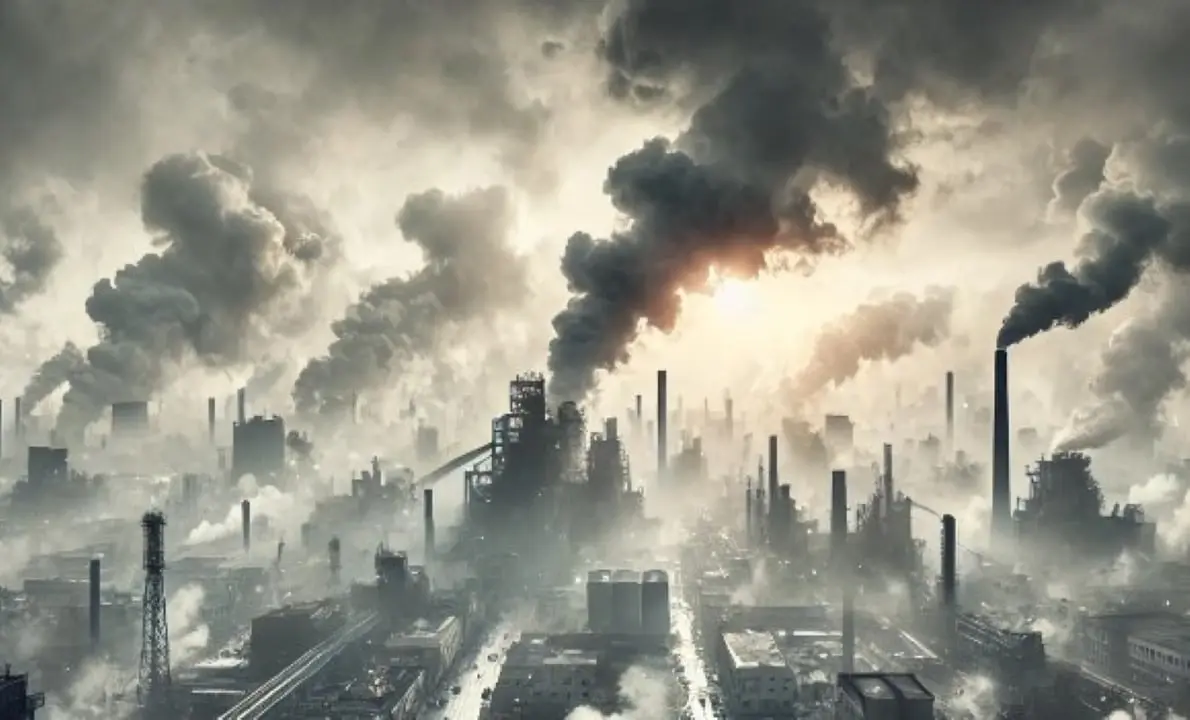
Air pollution reaches severe levels in cities around the world, according to a 2026 report
A report updated on August 4, 2026 revealed a worrying scenario for global air quality, highlighting 20 cities that had the highest levels of pollution. The data, monitored in real time through indicators such as the Air Quality Index (AQI) and the level of particulate matter (PM2.5), raises an alert for public health and the environment in different regions of the planet. Analysis of these numbers offers critical insight into the challenges authorities and communities face in the search for a healthier and more sustainable environment.
The severity of the numbers recorded in places such as Hope, Canada, and several cities in the United States, India and Israel, highlights the urgency of coordinated action to mitigate sources of pollution. More than just a list of names, the ranking serves as a thermometer to understand atmospheric dynamics and the consequences of human activities on a local and global scale, influencing the daily lives of millions of people.
Understanding the main indicators of air quality
To assess air purity, two indices are widely used: the Air Quality Index (AQI) and the concentration of Particle Material (PM2.5). The AQI is a numerical scale that converts concentrations of air pollutants into a single number, facilitating communication about the level of pollution. It considers several pollutants, such as ozone, nitrogen dioxide, sulfur dioxide and, mainly, particulate matter. The higher the AQI, the worse the air quality and the greater the health risk.
PM2.5 refers to fine inhalable particles in the air, with a diameter of less than 2.5 micrometers. These particles are so small that they can penetrate deep into the lungs and even the bloodstream, causing serious health problems. The sources of PM2.5 are varied, including the burning of fossil fuels, industrial processes, forest fires and vehicle emissions. Monitoring these indices is essential to alert the population and guide public pollution control policies.
Impacts of air pollution on human health
Prolonged or acute exposure to high levels of air pollution has serious consequences for human health. Among the most direct effects, respiratory problems such as asthma, chronic bronchitis and emphysema stand out. Children, the elderly and people with pre-existing illnesses are particularly vulnerable and may suffer exacerbations of their clinical conditions and an increase in the frequency of hospital admissions.
On the same topic: Green crust covers Ribeirão São Jerônimo and scares away fishermen in the northwest of São Paulo
In addition to respiratory diseases, air pollution is associated with cardiovascular problems, such as heart attacks and strokes, due to the inflammation and oxidative stress that fine particles can cause. There is also growing evidence linking air pollution to neurological disorders, lung cancer, and even complications during pregnancy. Reducing life expectancy in highly polluted regions is a growing global concern.
Environmental consequences of air contamination
Air quality not only affects human health, but has a profound and far-reaching impact on the environment. Air pollution contributes to global warming and climate change, as many pollutants, such as carbon dioxide and methane, are greenhouse gases. Additionally, pollutants such as sulfur dioxide and nitrogen oxides are precursors to acid rain, which damages forests, aquatic ecosystems, buildings and historic monuments.
The deposition of particulate matter can alter the composition of soil and water, affecting biodiversity and agricultural productivity. The reduction in visibility, caused by pollution haze, also impacts ecosystems and can interfere with navigation and transport. In short, the degradation of air quality unbalances entire ecosystems, threatening flora, fauna and natural resources that sustain life on the planet.
Learn more: Global electric vehicle sales are expected to exceed 25% by 2026 and half the market by 2035
A detailed analysis of the global pollution ranking in 2026
The most recent ranking, dated August 4, 2026, shows a notable geographic distribution of the most polluted cities, with a strong presence of North America in this specific update. Real-time AQI and PM2.5 data points to critical situations that require immediate attention. The list, which extends beyond the top 20 positions, reflects a complex reality where factors such as climate, geography, industrialization and natural events intertwine.
The predominance of cities in states such as Washington and Arizona, in the United States, and British Columbia, in Canada, suggests that phenomena such as seasonal forest fires may be exerting a significant influence, in addition to sources of urban and industrial pollution. Other urban centers in South America, the Middle East and Asia continue to face their own challenges, solidifying air pollution as a public health and environmental crisis on a global scale.
Hope, British Columbia, Canada: tops the list with severe air
Hope, in British Columbia, Canada, registered the most alarming index, with an AQI of 272, classified as “Severe”. This situation can be attributed to a combination of geographic and environmental factors. The British Columbia region is prone to wildfires during the hottest, driest months, and the resulting smoke can be transported long distances, affecting air quality in valleys and basins. Hope’s mountainous topography can act as a trap, trapping pollution and raising PM2.5 levels. Furthermore, industrial activities and road traffic in the vicinity of transport corridors also contribute to the load of pollutants in the local atmosphere.
US cities: concentration of health alerts
A considerable portion of the ranking is occupied by cities in the United States, predominantly in the states of Washington and Arizona, as well as Oregon. Chelan (AQI 182), Wenatchee (AQI 179), Scottsdale (AQI 177), Toppenish (AQI 176), Sunnyside (AQI 172), Ellensburg (AQI 172), Yakima (AQI 171), Mesa (AQI 170), Hermiston (AQI 168), Quincy (AQI 168), Kennewick (AQI 166), Glendale (AQI 158), Moses Lake (AQI 158), Phoenix (AQI 157), and Pendleton (AQI 157) were classified as “Unhealthy.”
- The recurrence of cities in these states can be explained by factors such as:
- Forest fires:The western US, particularly Washington and Arizona, has been severely impacted by more intense and prolonged wildfire seasons, releasing vast amounts of smoke and particulate matter into the air.
- Climatic and geographical conditions:Desert regions and valleys can experience thermal inversions that trap pollution close to the ground. Extreme heat can also increase the formation of tropospheric ozone, a pollutant.
- Agricultural and industrial activities:Controlled agricultural fires, dust from cultivated fields and emissions from local industries contribute to the pollutant load.
- Urban growth and traffic:The increasing population and number of vehicles in large metropolitan areas like Phoenix and Mesa generate significant emissions.
Coyhaique, Chile: the South American reality
Coyhaique, in the Aysén region, Chile, appears with an AQI of 168, considered “Unhealthy”. This city is often mentioned in air pollution rankings in South America, especially during winter. The main cause of its high pollution is the burning of damp wood for domestic heating, a common practice in the cold region of Chilean Patagonia. The geography of Coyhaique, located in a basin surrounded by mountains, exacerbates the problem by creating thermal inversions that trap smoke and other pollutants in the city’s atmosphere, preventing their dispersion and exposing the population to dangerously high levels of PM2.5.
See Also

Electrical discharge knocks man off roof in Jaguaruana after contact with power lines

Global auction raises US$11.9 million and Brazil’s historic currency reaches record value

Former fighter Prichard Colón dies at age 33 after decade in a vegetative state
More on this story: USA: Full adoption of electric cars by 2040 could save more than 100,000 lives, says study
Dhanbad, India: pollution and intense industrialization
Dhanbad in Jharkhand, India records an AQI of 158, also classified as “Unhealthy”. India has faced a serious air pollution problem for years, driven by a combination of rapid industrial growth, intense coal mining activity (Dhanbad is known as the “Coal Capital of India”), rising vehicle emissions, the burning of agricultural and urban waste, and the use of solid fuels for cooking and heating. Population density and disorderly urbanism contribute to the concentration of pollutants, making air pollution an ongoing public health crisis in the country.
Israeli cities: Tel Aviv and Haifa under alert
- Several cities in Israel were classified as “Unhealthy” with an AQI of 158: Pardes Hanna Karkur (Haifa), Qiryat Ono (Tel Aviv), Ramat Gan (Tel Aviv), Herzliyya (Tel Aviv) and Tel Aviv Yafo. Air pollution in Israel is often associated with a combination of factors:
- Heavy traffic:Densely populated metropolitan areas, such as Tel Aviv, suffer from vehicle emissions.
- Industry:The Haifa region in particular has industrial and petrochemical complexes that release pollutants into the air.
- Natural sources:Desert dust, carried by winds, also contributes to particulate matter in the air, especially in coastal areas.
- Urban development:Rapid urbanization and construction can generate dust and other forms of pollution.
Abu Dhabi, United Arab Emirates: challenges in the desert region
Abu Dhabi in the United Arab Emirates, with an AQI of 157, also falls into the “Unhealthy” category. Air pollution in this region has unique characteristics. In addition to emissions generated by heavy traffic and the oil and gas industries, the city is frequently affected by sand and dust storms coming from the desert. This natural dust mixes with anthropogenic pollutants, creating a harmful cocktail in the atmosphere. Accelerated urbanization and intensive energy use are also contributing factors.
Global efforts to combat air pollution
Faced with this alarming scenario, governments, international organizations and communities have intensified their efforts to mitigate air pollution. Global climate agreements, such as the Paris Agreement, include targets to reduce emissions that contribute to pollution. At the local level, cities implement low-emission zones, encourage public transport and cycle paths, and invest in renewable energy.
The transition to electric vehicles, the improvement of industrial filtration technologies and stricter regulation of fuel quality are other ongoing actions. Public awareness campaigns aim to educate citizens about the risks of pollution and the importance of adopting more sustainable habits. International collaboration is crucial to share best practices and technologies.
The role of technology in monitoring air quality
Technology plays a vital role in the fight against air pollution. Air quality sensors, like those developed by companies like Prana Air, provide real-time data on pollutant levels. These monitors can be installed in different locations, offering a detailed and up-to-date view of the situation. Apps and online platforms translate this complex data into publicly accessible information, allowing people to make informed decisions about their daily activities, such as avoiding outdoor exercise on high pollution days.
Additionally, computer modeling and artificial intelligence are used to predict pollution patterns and identify their sources. This predictive capability is invaluable for authorities to plan interventions and issue warnings in advance. Technological innovation continues to offer new tools for monitoring, analyzing and, ultimately, developing more effective solutions.
Individual and community actions for cleaner air
While the greatest responsibility lies with governments and industries, individual and community actions are crucial to complement efforts to combat air pollution. Choosing public transport, cycling or walking instead of private vehicles whenever possible reduces vehicle emissions. Raising awareness about the efficient use of energy at home, the preference for products with a lower carbon footprint and the correct disposal of waste also contribute.
Learn more: Wildfire smoke: health risks to the heart, brain and lungs and how to protect yourself
At the community level, participation in environmental advocacy groups, demanding more rigorous public policies and supporting local urban afforestation initiatives can make a difference. Educating family and friends about the risks of pollution and ways to mitigate it is another way to drive change. Small collective actions, added together, have the power to generate a significant impact on the quality of the air we all breathe.
The importance of inspection and environmental legislation
For air pollution reduction targets to be achieved, strict inspection and robust environmental legislation are essential. Laws that establish limits on industrial and vehicular emissions, that regulate the burning of waste and that promote the energy transition are fundamental pillars. Effective enforcement of these laws by supervisory bodies ensures that companies and citizens comply with standards and are held accountable for infractions.
The existence of a clear legal framework and the capacity for monitoring and sanctions are essential to discourage polluting practices and encourage investments in cleaner technologies. Constantly updating legislation to keep up with scientific advances and new environmental realities is also crucial. Without a solid legal framework and active oversight, efforts to combat pollution tend to be less effective.
The future of air quality: an ongoing challenge
The 2026 ranking of the world’s most polluted cities serves as a stark reminder that air pollution remains one of today’s biggest environmental and public health challenges. The persistence of high levels of AQI and PM2.5 in several regions, from Hope, in Canada, to Dhanbad, in India, passing through the dense urban areas of Israel and the United States, demonstrates the complexity of the problem. Geography, extreme weather events such as forest fires, industrialization, urban growth and energy consumption patterns converge to create risk scenarios.
The fight for cleaner air requires a multifaceted approach, combining advanced monitoring technology, effective public policies, rigorous enforcement, industrial innovation and significant changes in individual habits. The future of air quality will depend on the global ability to adapt to these new realities and implement sustainable solutions that protect both human health and the integrity of ecosystems. Awareness and coordinated action at all levels are the path to a planet with cleaner air.