Clues in Valve’s code point to a new reservation strategy for the Steam Machine
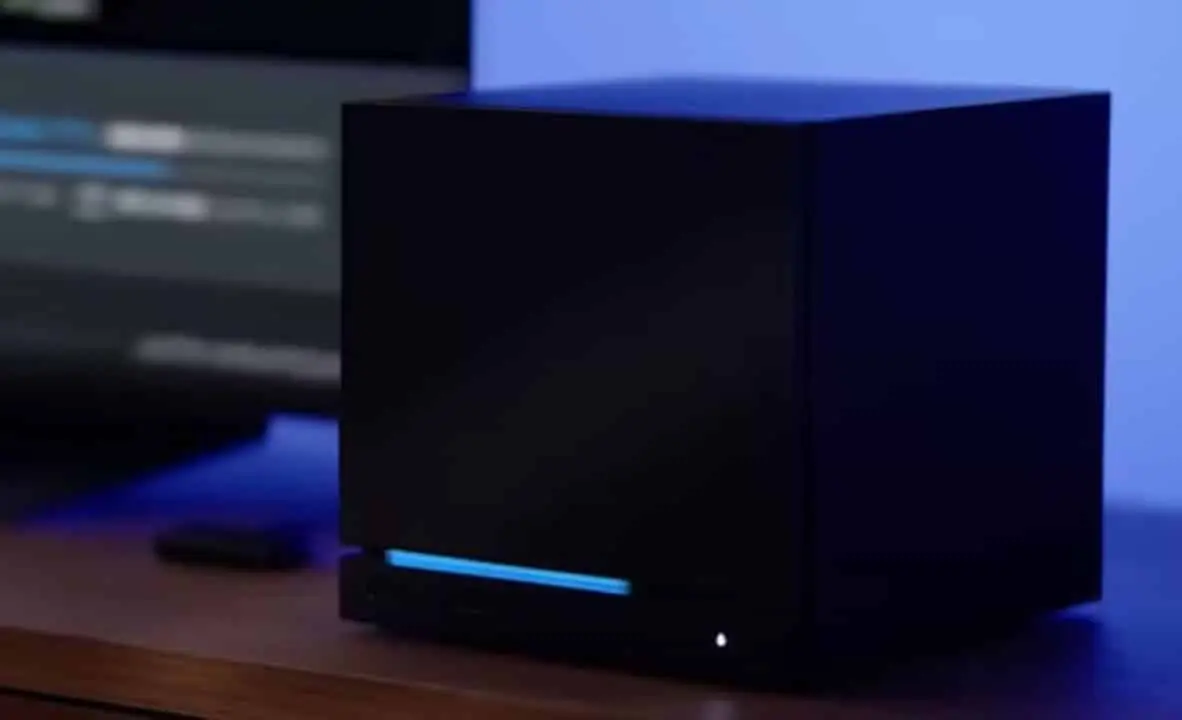
A recent analysis into Valve’s gaming platform’s internal files has brought to light preparations for a reservation engine focused on the highly anticipated Steam Machine. Independent programmers combed through the online store’s data structure and identified direct mentions of four variants of the equipment in the advance sales system. This finding gained initial notoriety through in-depth discussions led by members of the r/steamachine community on Reddit, who constantly monitor the company’s updates.
The implementation of this digital barrier indicates that the company seeks to avoid the logistical setbacks faced in previous launches. When the Steam Controller hit the market, stocks disappeared in just half an hour, generating a wave of frustration among real consumers due to the lack of an organized queue. On that occasion, malicious resellers managed to acquire up to eight controllers at a time using fake profiles, a predatory practice that haunted the entire gaming industry during the global chip shortage, and which the company is now trying to block by limiting purchases per individual.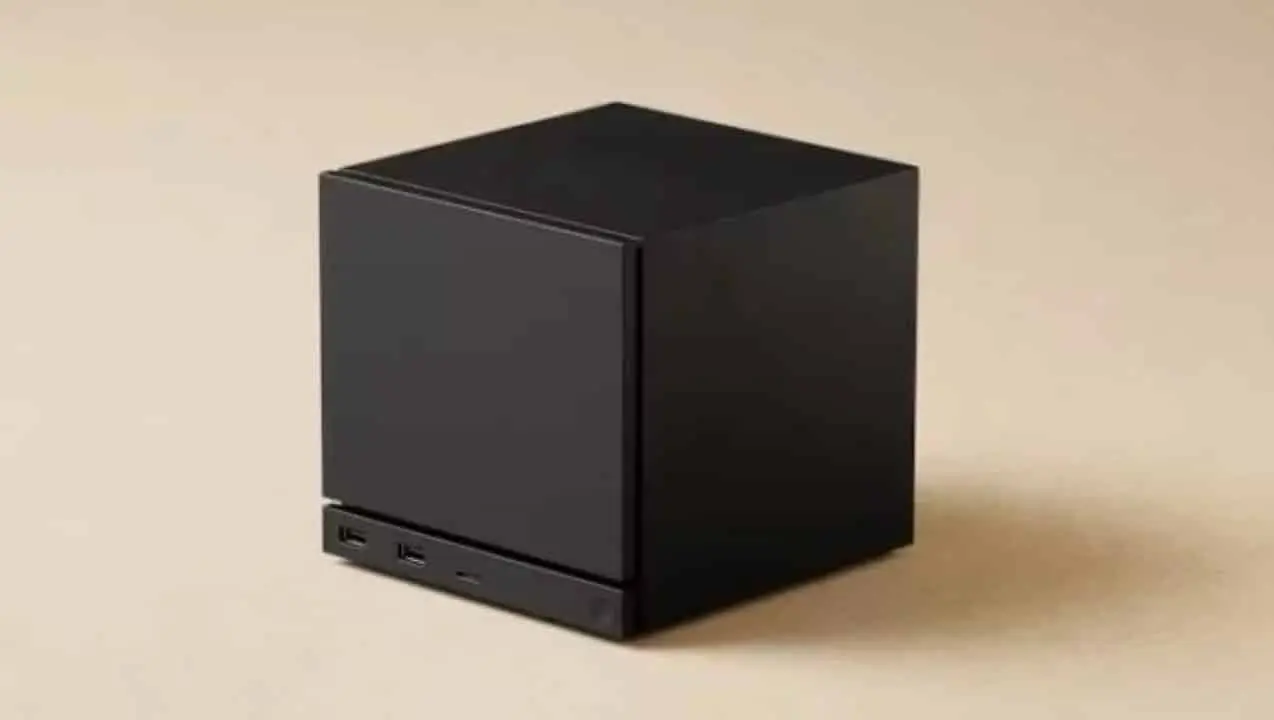
Unreleased equipment configurations appear in store records
The programming lines discovered in the database show that the device will reach virtual shelves with different hardware options. Although the files explicitly mention the existence of “4 Steam Machine Bundles”, the exact specifications of each set remain hidden in the source code. Faced with this gap in official information, the gaming community began to theorize about the possible combinations that will be made available to consumers:
- 512 GB model accompanied by official control
- 512 GB edition sold individually
- 2TB version including branded joystick
- 2TB option sold without additional accessories
The manufacturer had previously confirmed that the device would have two different internal storage capacities, divided between 512 GB and 2 TB. The strategy of offering boxes with or without the control peripheral makes sense to lower the entry cost and give the user freedom of choice. Furthermore, the leaked data shows that this same virtual queue infrastructure will cover other items in the brand’s catalog, including the popular Steam Deck, which often suffers from high demand and a lack of units ready for shipping.
Learn more: High components make new Steam Machine cost the same as a gaming PC
Security mechanisms to ensure fair purchases
The early marketing format will adopt guidelines very similar to the containment measures tested by Valve on its past peripherals. Instead of releasing the purchase button to everyone simultaneously, interested parties will need to register their interest and wait in a digital queue until their turn is called. This methodical approach drastically reduces the effectiveness of digital scalpers, who often use automated software to empty shelves in fractions of a second.
Scheduled requirements to filter buyers include:
- Strict restriction of a single console per registered profile
- Maximum period of 72 hours to make payment after notification by email
- Need to have an account without bans or restrictions in the store
- Mandatory to have carried out a previous financial transaction on the platform
The three-day interval for completing the order serves as an efficient filter, requiring true fans to pay attention to their inbox, while at the same time making it impossible for middlemen to accumulate bills. Those who try to circumvent the rules by creating dozens of fake accounts will come up against the company’s background check system, which cross-references data from old purchases to validate the customer’s authenticity.
Improved logistics to avoid immediate depletion
The Half-Life creator’s history in the hardware segment is marked by production bottlenecks and severe logistical difficulties. The implementation of this waiting list solves two headaches at once: it organizes the delivery of products in a cadence and creates a shield against professional fraudsters. When a user is selected in the queue, they do not purchase a product that is already in the warehouse, but rather guarantee the right to receive a unit that is yet to be finished on the assembly line.
See Also

Electrical discharge knocks man off roof in Jaguaruana after contact with power lines

Global auction raises US$11.9 million and Brazil’s historic currency reaches record value

Former fighter Prichard Colón dies at age 33 after decade in a vegetative state
This sales dynamic is infinitely superior to conventional retail launches, where website servers tend to crash due to massive traffic and shopping robots have an advantage over humans. The PC gaming giant has absorbed the hard lessons left by chaotic debuts in the past and is now building a technological foundation capable of bearing the weight of global interest without harming the end consumer.
On the same topic: Valve’s new console will cost the same as a gaming PC due to the increase in parts
Despite the wealth of details found in the files, the leak does not give a specific date for the start of reservations for the new console. It’s highly likely that engineers are just paving the digital groundwork for an announcement later in the calendar. The enthusiast community is betting that the official reveal of this shopping queue will take place in the coming weeks, although the company’s management remains completely silent about the schedule.
Behind the scenes of the data analysis that revealed the project
Data mining experts reached these conclusions after unraveling the silent updates made to the online store’s commerce server. The source code examined makes direct allusions to “4 Steam Machine Packs”, in addition to mentioning mysterious “2 Frame Packs” and listing groupings involving separate controls and the brand’s own portable computer. The architecture of this programming makes it clear that the company is standardizing its sales method for its entire ecosystem of physical devices.
This early discovery proves the level of caution and strategic planning adopted by the corporation before placing a high-value product on the market. Unlike hastily made debuts that result in public relations crises, Valve prefers to structure an unshakable back-office system before inviting the public to spend their money. This posture minimizes critical operational failures and ensures that hardware distribution occurs smoothly from the start.
More on this story: Steam Machine or PC? See what you can build with the value of the Valve console