Recent cases in aviation trigger phobia of flying in 25 million Americans
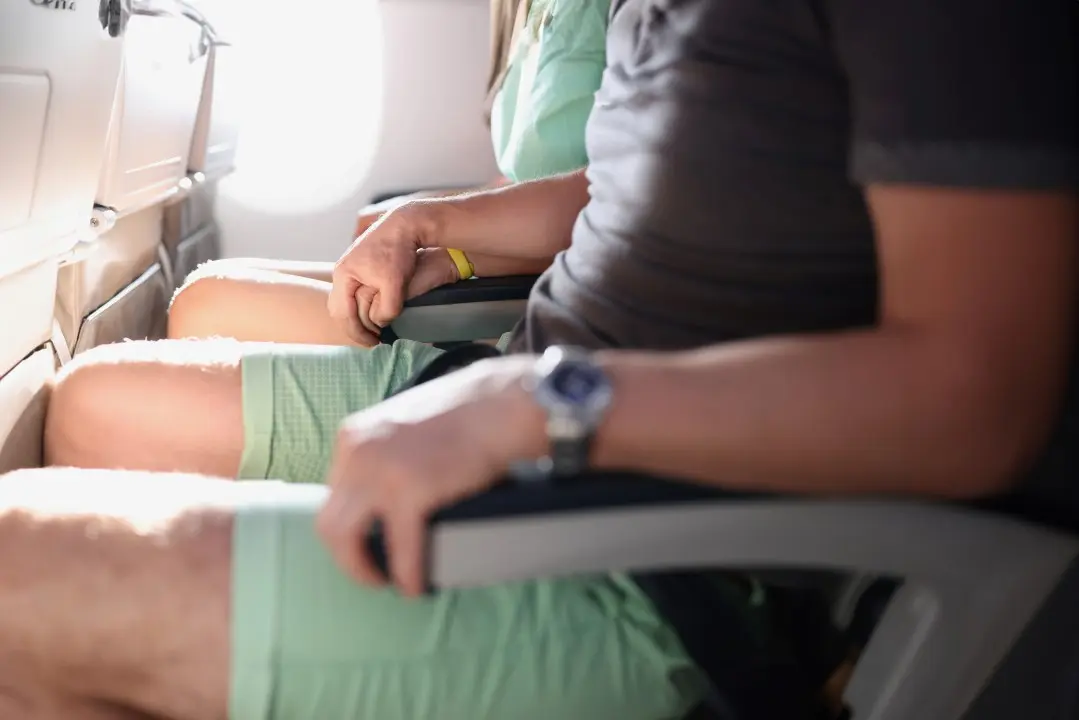
Businesswoman Adelynn Campbell experienced moments of terror on board an aircraft recently, needing direct support from a crew member to control a panic attack. The personal trauma occurred shortly before the tragic mid-air collision in January over Washington, D.C., when an American Airlines plane and a helicopter collided in mid-air, leaving 67 people dead and marking the worst catastrophe in the sector in the United States in the last two and a half decades. Even with statistical proof that air transport remains one of the safest options in the world, the recent news has worsened the passenger’s fear. At 30 years old and owner of a cafe in the city of San Diego, she reports that the current scenario has transformed the simple act of embarking into a highly exhausting experience.
Feeling a slight feeling of butterflies in your stomach before takeoff is part of the routine for many travelers. However, when this discomfort turns into uncontrollable despair, the search for therapeutic support becomes essential.
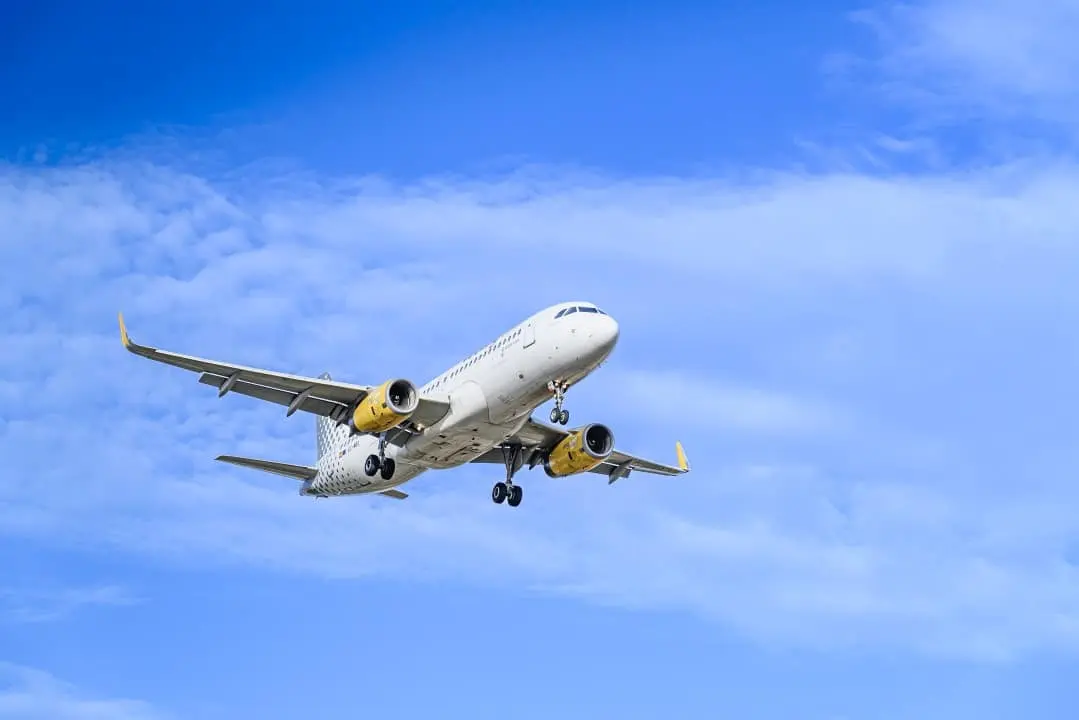
Below, we detail the mechanisms behind the dread of getting on a plane and the tactics recommended by experts to minimize this suffering.
Factors driving the growth of panic among passengers
Daily reports collected by mental health professionals and onboard teams point to an escalation in tension within the cabins, affecting people who already suffered from the problem to individuals who used to travel with peace of mind.
Californian psychologist Jennifer Dragonette, a specialist in treating phobias linked to aviation, observes a change in the profile of her patients. According to the professional, the volume of news about mechanical failures has made even experienced travelers start to question the safety of operations.
Official surveys by the American Transportation Security Agency (TSA) recorded a retraction in the flow of passengers in the United States between the months of March and April, when compared to the same period last year. Companies in the sector justify the drop by pointing to financial instability, the reduction in business travel and the fear generated by recent events in the airspace.
At the same time, the Federal Aviation Administration (FAA) publicly admitted that there are gaps in the sector’s inspection protocols. This scenario directly reflects on public confidence, as shown by a survey by the Associated Press-NORC Center for Public Affairs Research, showing that Americans’ sense of security has plummeted this year.
The psychological impact also affects those who work in the air, as highlighted by Sara Nelson, leader of the flight attendants union. She revealed that teams based in Washington, D.C., suffered a severe emotional shock after the January accident, leading several professionals to request medical leave and resulting in at least one definitive resignation.
The diagnosis of aerophobia and its main emotional triggers
The extreme fear of boarding an aircraft is called aerophobia, a condition that goes far beyond simple nervousness in the departure lounge. The disorder manifests itself through paralyzing anguish focused on specific stages of the journey, such as the moment the tires leave the runway, the approach to landing or the simple idea of remaining locked in a metal tube.
Learn more: Recent accidents make 25 million Americans fear air travel
Demographic data reveals that around 25 million adult citizens in the United States live with this diagnosis. Experts in the field of psychology note a curious pattern: the vast majority of patients develop the condition in adulthood, reporting that during childhood and adolescence they used to fly without any type of restriction.
Psychologist David Carbonell, who works in Chicago and has published books on the subject, explains that the phobia usually shows its first signs in the 20s to 30s. This window of time generally accompanies important milestones of maturity, such as the arrival of children or marriage, creating in the individual a perception that their own life has become more important to others.
A single episode of severe turbulence or a sudden go-around can be enough to permanently install the trauma in the passenger’s mind, warns the therapist.
In the case of Adelynn Campbell, who was already treating other stress conditions, plane blockage began to manifest itself a few years ago. As a transgender woman, she explains that the journey at airports carries an extra load of tension, especially due to the fear of being embarrassed during security searches and interacting with federal agents.
The root of the problem, according to Carbonell, involves complex mechanisms of the human brain. In most diagnoses, panic is not linked to the fear of a fatal fall, but rather to the response of the brain’s amygdala to the feeling of enclosure and the total lack of control over the surrounding environment.
The San Diego businesswoman translated this feeling literally, stating that the worst moment is when she realizes she is cornered and feels the air running out of her lungs.
More on this story: The search for longevity can become an obsession and generate anxiety, experts warn
See Also

China’s Shenzhou-23 mission reveals views of Earth from Tiangong station

Manchester City receives third offer from Barcelona for Rodri worth between €60 million and €80 million

Former boxer Prichard Colón dies aged 33 after long battle with brain injury
This reality is routine for crews, as union leader Sara Nelson reinforces. She reports that flight attendants frequently deal with passengers suffering from nervous breakdowns, needing to administer oxygen cylinders to stabilize acute crises at thousands of meters of altitude.
Therapeutic techniques to regain confidence in heights
Historically, commercial aviation remains the most reliable mode of transport on the planet, supported by rigorous maintenance protocols required by international agencies. The United States National Safety Council published a report in 2023 showing that the chance of losing your life in an air disaster is close to mathematical zero, being infinitely lower than the daily risks of driving a car, riding a bicycle or crossing a busy avenue.
However, mental health professionals are categorical that presenting spreadsheets and mathematical probabilities does not cure an alert brain.
Carbonell takes a direct approach with his clients, dispensing with numbers in the first session. The specialist usually tells patients that he is fully aware that they have already read all the safety reports and that this information clearly did not solve the problem.
On the same topic: Airline incidents increase fear of flying; learn how to deal with anxiety
For milder conditions, breathing control usually brings quick results. Psychologist Jennifer Dragonette, who treated Campbell at the Newport Healthcare clinic, located in Temecula, California, teaches that prolonging the exhalation time sends a physiological signal of relaxation to the central nervous system.
Severe diagnoses require the gradual exposure method. The treatment begins subtly and progresses in stages, as detailed by the Californian specialist:
- Visualization of static images of planes and turbines.
- Display of videos showing safe takeoffs and landings.
- Use of virtual reality glasses that place the patient inside a digital cabin.
The ultimate goal is not to eliminate fear completely, but rather to provide tools so that the person can tolerate discomfort without losing control of their actions.
Another tactic recommended by Carbonell is to take short flights just for training, without the pressure of getting to a business meeting or family event. During the journey, he asks patients to write down each physical symptom they experience in a notebook.
The act of registering rapid heartbeats or sweating on your hands works as a practical exercise in accepting anxiety, transforming panic into observable data.
The importance of communicating discomfort to the crew
With years of experience in the corridors of United Airlines, Nelson remembers that the human side makes all the difference. The former flight attendant says she lost count of how many times she had to sit on the floor of the plane just to hold the hand of a terrified traveler.
During a journey operated by Frontier Airlines, connecting Detroit to San Diego, Adelynn Campbell saw her breathing techniques fail miserably, culminating in a severe panic attack. The situation was only controlled because the person sitting in the next seat noticed the desperation and pressed the emergency button to call the team.
The airline employee sat next to the businesswoman and began to guide her breathing until the crisis lost its strength. The care went beyond the flight: the flight attendant asked for the passenger’s phone number and sent a message the next day to see if she was ok.
More on this story: Constant fear of cheating: understand the impact of relationship OCD on young people
The empathetic attitude deeply impacted the passenger, who classified the support she received as something surprising and welcoming.