AI chip shortage and rise: electronics become more expensive and arrive on the market later
The advancement of artificial intelligence has generated a growing demand for electronic components, resulting in shortages and rising prices. This situation directly affects the availability of memory chips and processors, essential for the manufacture of smartphones, notebooks and other consumer devices, causing delays and higher costs.
Artificial intelligence has established itself as a constant presence in current technology. However, what many don’t realize is that the infrastructure needed to support this growth in AI is now in direct competition with the production of household electronic goods such as televisions, audio and video receivers, gaming consoles and wireless headphones.
Artificial intelligence data centers demand vast quantities of processors, high-bandwidth memory (HBM), DRAM, NAND storage, and power management components. Chipmakers are prioritizing these high-value commercial customers, diverting production capacity from more common components. This results in a decrease in the supply of conventional memory and other items used in the consumer electronics industry. The issue is therefore no longer restricted to just high-cost AI GPUs or large server centers.
The effects of this change are already noticeable. In 2026, RAM memory prices showed a significant increase, and industries warn of rising component costs. Qualcomm, for example, reported that price adjustments will be essential, as the demand for AI infrastructure puts pressure on the supply of memory, wafers, packaging and testing capacity. TrendForce predicts that the DRAM market will remain tight in the third quarter of 2026, with contract prices projected to increase between 13% and 18%.
For consumers, the consequence can be reduced discounts, delays in product launches, extended delivery times, simpler specifications and, invariably, higher prices. This affects a range of products, from smart TVs and projectors to soundbars and audio and video receivers. While some manufacturers may be able to absorb the additional costs temporarily, this is not a sustainable long-term strategy.
Although artificial intelligence predominantly works in the cloud, the cost of maintaining and expanding this technology is gradually being passed on to the end consumer.
On the same topic: Casio launches line of ultra-resistant watches aimed at professionals in the heavy industry
Understand the details of the shortage of chips for artificial intelligence
Technology giants such as Microsoft, Google and Amazon are reallocating the production of wafers and the supply of RAM for artificial intelligence equipment for corporate use, especially for data centers. Companies like Samsung, SK Hynix and Micron prioritize manufacturing high-margin memory linked to AI and HBM over conventional DRAM and other chips found in consumer products. Experts warn of a possible “RAMageddon” in the consumer memory chip market.
Cloud service providers are making large purchases and entering into long-term supply agreements with manufacturers, worsening the global supply gap. As much of the access to content, programs and storage uses the cloud, any interruption in the supply of chips for these services would result in reduced access speeds and limits on storage capacity.
Price increases are already evident in the market
Apple has already readjusted the prices of several MacBook and iPad models, recognizing the impossibility of continuing to absorb rising memory and storage costs. The 512GB MacBook Air went from $1,099 to $1,299, the 1TB MacBook Pro went from $1,699 to $1,999, and the 128GB iPad Air went from $599 to $749. In the home entertainment segment, the company also raised the prices of both HomePod models and the Apple TV player.
Learn more: Race for AI inflates chip market and makes consumer electronics more expensive
The warning signs are already evident in the audio industry. FiiO has implemented price increases in the United States for four products starting April 1, including the JM21 digital audio player for $259.99, the M21 for $369.99, and the M33 for $699.99. The company attributed the measure to the rapid increase in the costs of memory chips, which have exceeded their absorption capacity, warning of possible further adjustments if component costs continue to rise.
Shanling indicated that the pressure on components, driven by artificial intelligence, extends beyond CPUs and RAM to memory, circuit boards, copper, aluminum and other materials. Prices for new and existing products are expected to increase from August, and some models with lower profit margins may be discontinued altogether.
This trend is relevant because modern audio and video equipment works like specialized computers. Smart televisions, streaming devices, AV receivers, wireless speakers, soundbars, and multi-room audio systems rely on processors, RAM, flash storage, networking chipsets, and power management components. These items are crucial to the functioning of your operating systems, streaming applications, room correction, video processing, voice control, wireless connectivity, and, increasingly, locally processed AI capabilities.

Roku also raised prices on its line of streaming hardware, citing global shortages of RAM and other components. The Roku Streaming Stick is up from $29.99 to $39.99, the Streaming Stick Plus is up from $39.99 to $59.99, and the Streaming Stick 4K is up from $49.99 to $79.99. The Roku Ultra jumped from $99.99 to $149.99, a 50% increase on a product that competes directly with platforms like Apple TV and Google TV.
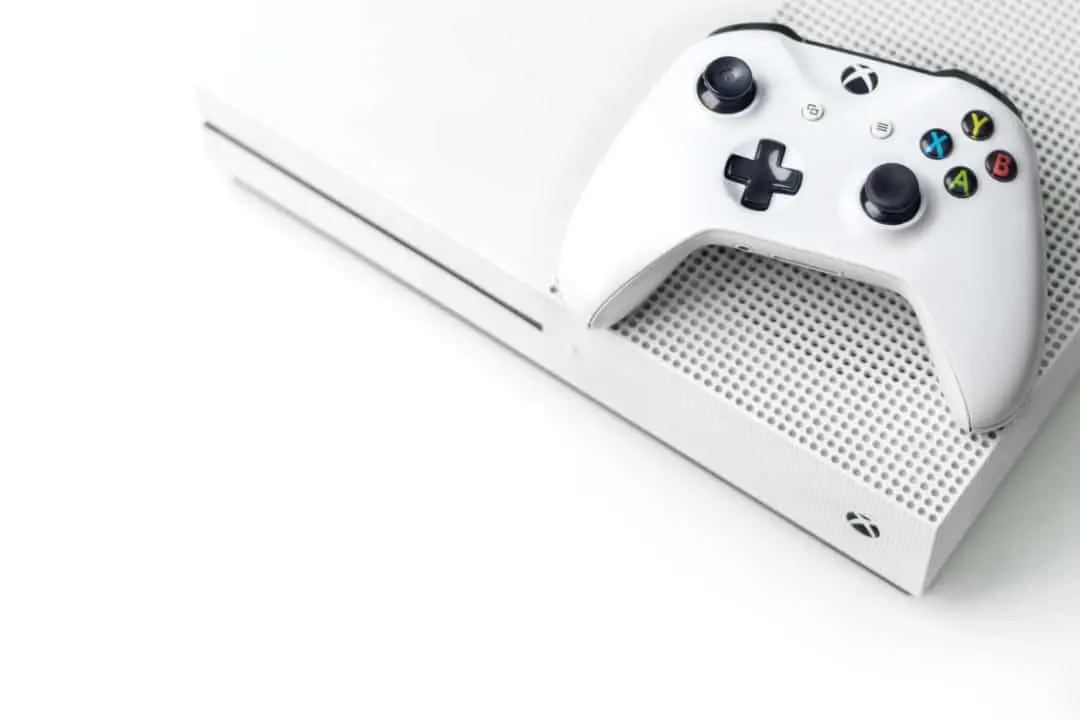
The electronic games industry faces even more severe impacts. Starting August 1, 2026, Microsoft has adjusted the prices of Xbox consoles globally, with increases of $100 for 512GB models and $150 for 1TB versions. The company also announced the discontinuation of the 2TB model. Microsoft declared that console storage and memory costs have grown more than 2.5 times, with a warning that they could double again by the end of 2027.
With these adjustments, the 512GB Xbox Series S now costs $499, and the 1TB version costs $599. The Xbox Series X Digital Edition retails for $749, while the standard 1TB Series X retails for $799. It is notable that these consoles, which have been on the market for six years, are moving away from their original launch prices, instead of becoming more affordable over time, which goes against the historical pattern of the video game industry.
See Also

Electrical discharge knocks man off roof in Jaguaruana after contact with power lines

Global auction raises US$11.9 million and Brazil’s historic currency reaches record value

Former fighter Prichard Colón dies at age 33 after decade in a vegetative state
More on this story: Partnership between South Korea and Italy prioritizes chip development and artificial intelligence
Sony also raised PlayStation 5 prices on April 2, due to pressure from rising memory costs on its hardware division. The standard PS5 went from $549.99 to $649.99, the Digital Edition went up to $599.99, and the PS5 Pro jumped from $749.99 to $899.99. Even PlayStation Portal had its price raised from $199.99 to $249.99.
The television industry is unlikely to avoid the consequences. Premium models may have enough margin to absorb some of the extra costs for a period of time, but mid-range and entry-level televisions operate on much tighter margins. If component prices continue to rise, manufacturers will have few alternatives: increase sales prices, reduce discounts, reduce specifications, postpone launches or cut production.
China: solution to shortages or rise of new control?
Semiconductor manufacturers in China are rapidly expanding production as the advance of artificial intelligence strains global processor, memory and storage chains. This extra capacity has the potential to alleviate shortages and help electronics companies control rising costs. However, viewing China solely as a “savior” of the global market ignores much more complex geopolitical and economic dynamics.
China is no longer simply looking to catch up to the United States in the field of artificial intelligence. The 2026 Stanford AI Index reveals that the difference in performance between the two countries’ leading AI models has practically closed, with an alternation in leadership since the beginning of 2025. Furthermore, China stands out in AI research publications, citations, total patent volume and industrial robot installations.
Chinese companies such as DeepSeek, Moonshot AI, Alibaba and Z.ai are developing models that are increasingly efficient, often more affordable and have greater availability compared to their American counterparts. This union of competitive performance, reduced operating costs and open access is helping Chinese artificial intelligence platforms gain users in different parts of the world, including the United States.
The United States still holds an advantage in high-powered artificial intelligence accelerators. Nvidia’s H200 chip, for example, is more powerful than Huawei’s Ascend 950PR, and China still faces limitations in advanced manufacturing equipment and production capacity for cutting-edge chips. However, these restrictions did not slow down Chinese progress; on the contrary, they have fueled Beijing’s quest to replace American processors, software and manufacturing equipment with domestically developed alternatives.
The projection is that processors made in China will represent about half of the Chinese market for artificial intelligence chips in 2026, while American semiconductor companies have lost their prominent position in the country. China is not just expanding its production capacity; it is actively building a competitive AI ecosystem, with the potential to challenge American hegemony over models, hardware, standards, and the global technological infrastructure.
This situation creates a complex political and economic dilemma. Greater Chinese production could mitigate shortages, lower component costs and increase product availability. At the same time, dependence on Chinese memory, processors and manufacturing capacity would grant Beijing considerable influence over the supply chains used by manufacturers of televisions, audio, automobiles, smartphones and computers.
Learn more: PS5 owners gain permanent access to two major titles in the virtual store
The central question, therefore, is not whether China can reverse the crisis in the semiconductor market. The real question is whether the United States and its allies are willing to allow their main technological rival to establish itself as the indispensable supplier to the rest of the world.
The Big Picture of the Chip Shortage
In 2021, the global chip shortage was mainly caused by factory disruptions due to the pandemic, supply chain issues and a sudden increase in demand for computers, game consoles and other electronics. At that time, artificial intelligence was not yet a determining factor.
However, just as these tensions seemed to be easing, the rapid expansion of artificial intelligence gave rise to a new problem, with the potential to be more lasting. AI now influences everything from the automotive sector and consumer electronics to large data centers, which demand vast amounts of electricity and water. To meet this requirement, chipmakers are shifting production toward high-margin AI processors, advanced memories and data center components, reducing capacity devoted to conventional DRAMs and other chips for consumer products.
Until demand for AI chips stabilizes and production of memory and other critical components normalizes, shortages and high costs will likely continue. Some industry forecasts indicate that this pressure could persist until at least 2028.
Companies building artificial intelligence infrastructure will continue to invest, as they have the necessary resources. Consumer electronics manufacturers will have no alternative but to pass on part of the rising costs to their products. Ultimately, the consumer will be the most affected, paying more for televisions, computers, game consoles, streaming devices and smartphones that, at times, will offer less innovation for the amount spent.