Producer defines Resident Evil roadmap until 2029 with remakes and tenth game
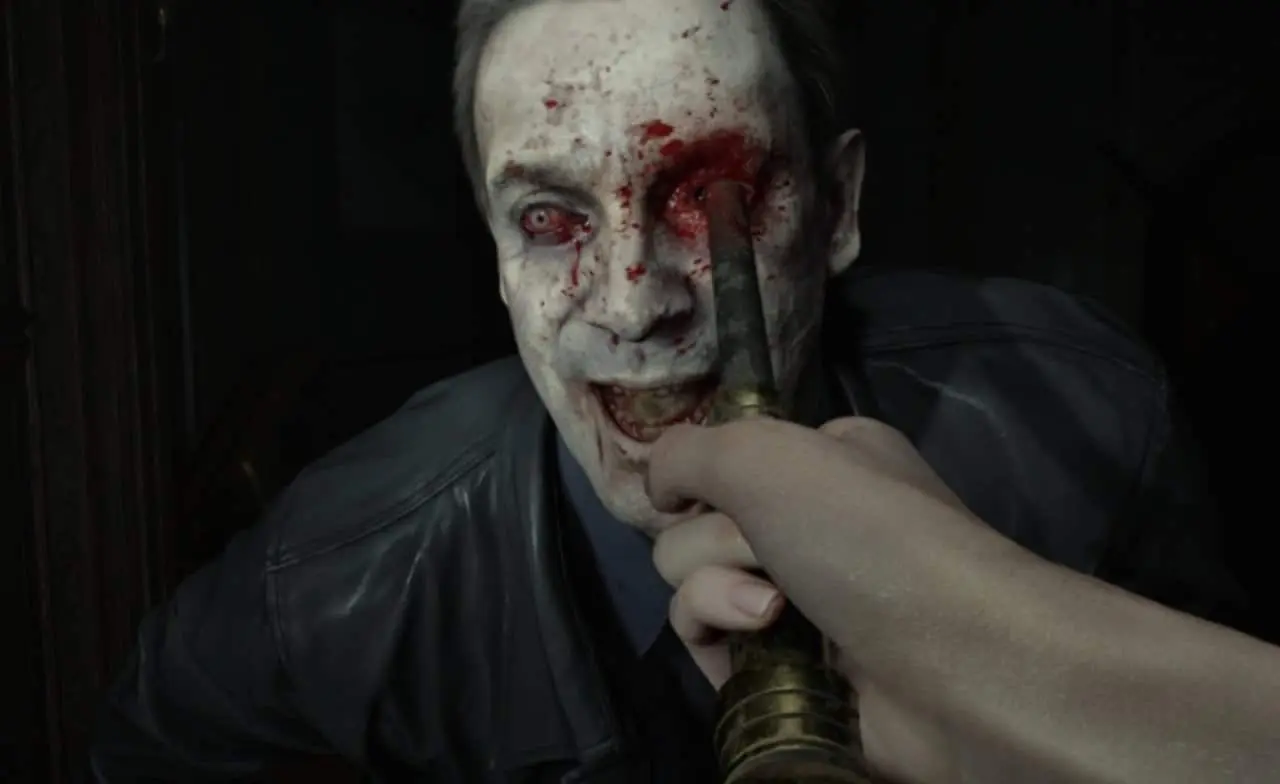
Japanese producer Capcom has consolidated an ambitious schedule to secure the future of its flagship survival horror brand until the end of this decade. Internal planning stipulates the launch of the tenth main title in the Resident Evil series, in addition to an unprecedented recreation of the first game in the franchise, originally released in 1996. This strategy aims to maintain the relevance of intellectual property in the global market, combining profound technological innovations with the recovery of players’ affective memories.
To avoid large gaps between launches, the company adopted a business model based on alternating projects. The delivery of completely new adventures will be interspersed with modernized versions of classic works, ensuring a constant presence in physical and digital stores. This format solves one of the biggest problems in today’s high-budget industry, where the development time for a single piece of software can exceed half a decade of intense work.
Executing this script requires perfect synchronization between multiple studios and creative departments around the world. Internal documents point out that the company has mapped out the next five years of operations with extreme precision, focusing on sustaining community engagement while continuously improving its behind-the-scenes proprietary tools.
On the same topic: Capcom outlines ten-year plan for Resident Evil with new games and remakes
Release calendar intersperses unreleased sequences and classic recreations
The release schedule establishes a clear order for the products that will reach consoles and computers in the coming years. The developer’s immediate priority is the completion of the ninth numbered chapter, which will serve as a bridge to a new narrative arc and test the limits of current interactive entertainment platforms.
Soon after this sequel arrives, attention will turn to rescuing acclaimed stories that still operate on older systems. The forecast suggests that, around 2027, fans will receive the recreation of Resident Evil Code: Veronica, an adventure starring Claire Redfield that marked the series’ transition to fully three-dimensional scenarios at the time of the Dreamcast console.
The following year, the focus shifts to the events leading up to the disaster at the original mansion, with the modernization of Resident Evil Zero. The 2002 title, famous for forcing the player to control two characters simultaneously, will undergo a structural review to adapt item management and puzzle solving to contemporary fluidity standards required by the market.
The culmination of this production cycle is scheduled for 2029, a period that should coincide with the arrival of a new generation of consoles, such as the successors to the PlayStation 5 and Xbox Series X. The tenth main game is treated internally as the most expensive project ever financed by the brand, designed to redefine the standards of the horror genre.
- Immediate release of the ninth numbered chapter to start a new phase of the story.
- Arrival of the remade version of Code: Veronica estimated for the year 2027.
- Modernization of Zero’s protagonist duo mechanics scheduled for 2028.
- Tenth main game debuts in 2029, focused on next-generation hardware.
Updates to proprietary graphics engine boost photorealism
Capcom’s entire production system depends directly on the RE Engine, a creation tool that has transformed the studio’s efficiency over the last decade. Sharing code and visual resources between different teams has drastically reduced operational costs, allowing advances made in fighting or action games to be immediately applied to horror titles.
To support the ambition of future projects, this software architecture is currently undergoing a severe redesign. Engineers work to ensure that the engine can process massive, detailed environments without frame rate drops, integrating advanced artificial intelligence systems and ultra-high-resolution photogrammetry. Technological independence protects the company from licensing fees charged by third-party engines.
More on this story: Capcom releases free trial version for Resident Evil Requiem months after launch
Changing perspective transforms the atmosphere of the original mansion
The decision to rebuild the first game in the franchise for a second time exposes the evolution of consumer preferences over almost thirty years. The 1996 version and its acclaimed 2002 remake used fixed cameras and rotation controls, an excellent format for generating claustrophobia, but considered obsolete by current gameplay standards.
See Also

China’s Shenzhou-23 mission reveals views of Earth from Tiangong station

Manchester City receives third offer from Barcelona for Rodri worth between €60 million and €80 million

Former boxer Prichard Colón dies aged 33 after long battle with brain injury
The new project will abandon static angles in favor of an over-the-shoulder third-person perspective, aligning with the production company’s recent commercial successes. This change requires designers to completely redo the architecture of the iconic Spencer mansion, as the original corridors were designed to function only from pre-determined viewpoints.
Modernization also directly affects enemy behavior and the physics of armed confrontations. The development team’s biggest challenge is to implement an agile and responsive targeting system without destroying the feeling of vulnerability, keeping the scarcity of ammunition and psychological tension intact throughout the campaign.
Learn more: New Resident Evil Requiem DLC will bring Leon back to Raccoon City
Financial sustainability and global team management
The high-budget games market is going through a period of economic instability, with productions easily exceeding the hundreds of millions of dollars mark. The model of interspersing remakes with new titles works as a financial shield for the developer, mitigating the risks inherent in creating properties from scratch.
Recreations require less spending on concept research and marketing campaigns, as they already have the nostalgic appeal of an established fan base. The capital generated by these nostalgic sales directly finances the technical experimentation and long maturation time required by the numbered chapters, creating a highly sustainable cash cycle.
To handle so many work fronts, the corporation divides its employees into ultra-specialized divisions and invests in intelligent outsourcing. Partner studios take on the creation of secondary textures and quality testing, freeing creative directors to focus exclusively on the narrative and core mechanics of each work.
Learn more: Details of the new Resident Evil Requiem expansion with Leon S. Kennedy
Narrative evolution prepares the franchise for the future of entertainment
The survival of a horror brand for more than three decades depends on the ability to mature along with its audience. Capcom has invested heavily in cinematic-grade motion capture and voice acting, hiring real actors to transfer complex facial expressions to digital models. This level of human detail strengthens emotional connection during moments of extreme tension.
The script for the next games requires a careful review of dialogues and situations that worked in the nineties, but would sound caricatured today. The transition to a more serious and grounded biological thriller tone has yielded record sales in the company’s fiscal reports, proving that the audience approves of the new creative direction adopted by the screenwriters.
By planning its operations towards 2030, the company demonstrates a deep understanding of its own legacy in the digital entertainment market. Delivering experiences that combine classic survival horror with cutting-edge rendering technologies consolidates the franchise’s position as an absolute reference in the sector, ensuring its relevance for the next generations of hardware.