Valve controller hides classic cinema sound effect in case of fall
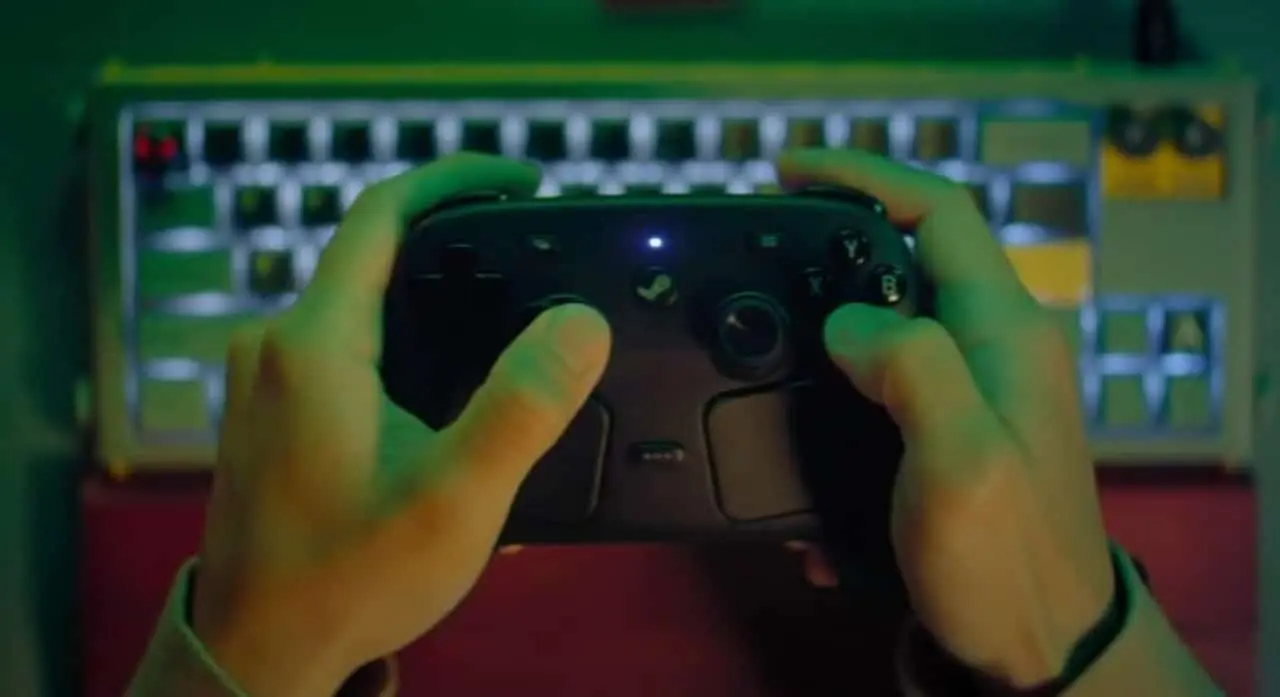
An unusual feature has just been revealed in the latest joystick launched by Valve. Consumers noticed that, when falling onto a surface, the device reproduces the classic “Wilhelm scream” — a sound effect created in 1951 for the film “Drums Distant” and exhaustively popularized in the Star Wars franchise. The news quickly gained traction on online forums, especially on Reddit, where several buyers attested to the veracity of the joke hidden in the hardware.
The curious detail operates completely independently, eliminating any prior connection to computers or consoles. Even if the accessory is disconnected from power or just searching for a Bluetooth signal, cinematic audio can be triggered upon impact. However, the execution of the sound does not follow an exact pattern, as not all falls result in the emission of the scream.

More on this story: Understand the advantages and technical obstacles of the unprecedented Steam Controller launched in 2026
The technology behind joystick audio playback
Engineers and technology enthusiasts explain that the noise originates from the equipment’s internal vibration motors. This part, responsible for tactile feedback, can vibrate at specific frequencies that imitate the operation of a traditional speaker. The result of this engineering is a surprisingly clean and audible vocal emission, which attracts the attention of anyone who lets the device slip from their hands.
Experiments conducted by owners of the device show a certain unpredictability in the activation of the surprise. Throws from a height of almost a meter towards soft upholstery tend to trigger recording frequently, while sharp hits on hard flooring rarely generate any noise. Furthermore, the system appears to have a time lock, preventing the sound from being played repeatedly in a short interval, regardless of the intensity of the shock.
Irregular operating patterns intrigue consumers
The secret functionality remains active at all times, ignoring the need to communicate with the brand’s ecosystem. During community evaluations, it became clear that it is not necessary to have a Steam Deck or a computer connected nearby for the game to happen. This absolute autonomy indicates that the code responsible for the sound effect was written directly into the basic physical components of the product.
Learn more: Steam controller emits Wilhelm scream when falling and reveals Valve’s creative Easter egg
The lack of a clear logic for triggering the audio became the most debated aspect among the curious:
- Cushioned impacts on pads trigger the sound trigger easily.
- Direct shocks against hard floors are usually ignored by the system.
- There is a mandatory silence interval after consecutive activations.
- The violence of the impact has no direct relationship with the guarantee of reproduction.
- The mechanism operates perfectly without any network or Bluetooth connection.
The impact of play in relation to rival accessories
The presence of this secret in Valve’s equipment started a debate about what other giants in the sector could do with their own hardware. Players began to imagine scenarios where the Nintendo Switch’s Joy-Cons would emit Mario’s classic jumps when they fell. Likewise, the idea arose that the PlayStation 5’s DualSense would be the ideal candidate to whine with the voice of the Astro Bot robot after an accident.
See Also

Electrical discharge knocks man off roof in Jaguaruana after contact with power lines

Global auction raises US$11.9 million and Brazil’s historic currency reaches record value

Former fighter Prichard Colón dies at age 33 after decade in a vegetative state
Sold abroad for US$99, the item requires a considerable investment on the part of gamers. However, the discovery of this humorous touch ended up raising the perception of the product’s value, attracting the eyes of even those who were not planning the purchase. The initiative shows that the manufacturer took the time to insert purely fun elements into the project, delivering an experience that goes far beyond just pressing buttons.
The warm welcome from the internet gaming community
The consumer public embraced the news with great enthusiasm on social media. Forum members dedicated hours to testing their own devices, posting videos proving the existence of the hidden function. The fact that the system didn’t always work ended up generating an extra charm, transforming the tense moment of dropping an expensive electronic device into a comical and unexpected situation.
On the same topic: Return of the Steam Controller in 2026 brings innovations and restrictions on PC
Market analysts point out that attitudes like this recall a golden age of technology, where developers had more freedom to hide jokes in their codes. Giants like Apple, Microsoft and Nintendo themselves have built legacies full of secret messages and fun interactions on their operating systems and consoles. The recently launched accessory draws from this same source, creating a nostalgic link with classic computing culture.
What haptic innovation means for the next generation of hardware
The episode makes it clear that technology companies still see value in giving their launches a unique identity, avoiding the coldness of technical specifications. The ability of vibration motors to act as improvised, high-fidelity speakers opens up a range of opportunities for the next generations of joysticks and intelligent peripherals.
Game development studios can begin to exploit this mechanical capability to deliver immersive sonic responses directly into users’ hands during gameplay. The precedent set by this simple game proves that it is technically viable to extract multiple uses from a single vibrating component, increasing the level of interaction between the player and the machine.
More on this story: PS5 owners gain permanent access to two major titles in the virtual store
Finally, the case reaffirms that the end public values brands that are not afraid to demonstrate creativity and a certain level of relaxation. Simple insertions, like a famous cry from the movies, are capable of transforming a piece of plastic and circuits into an object with a soul, establishing an emotional connection that no impeccable technical sheet could achieve alone.