

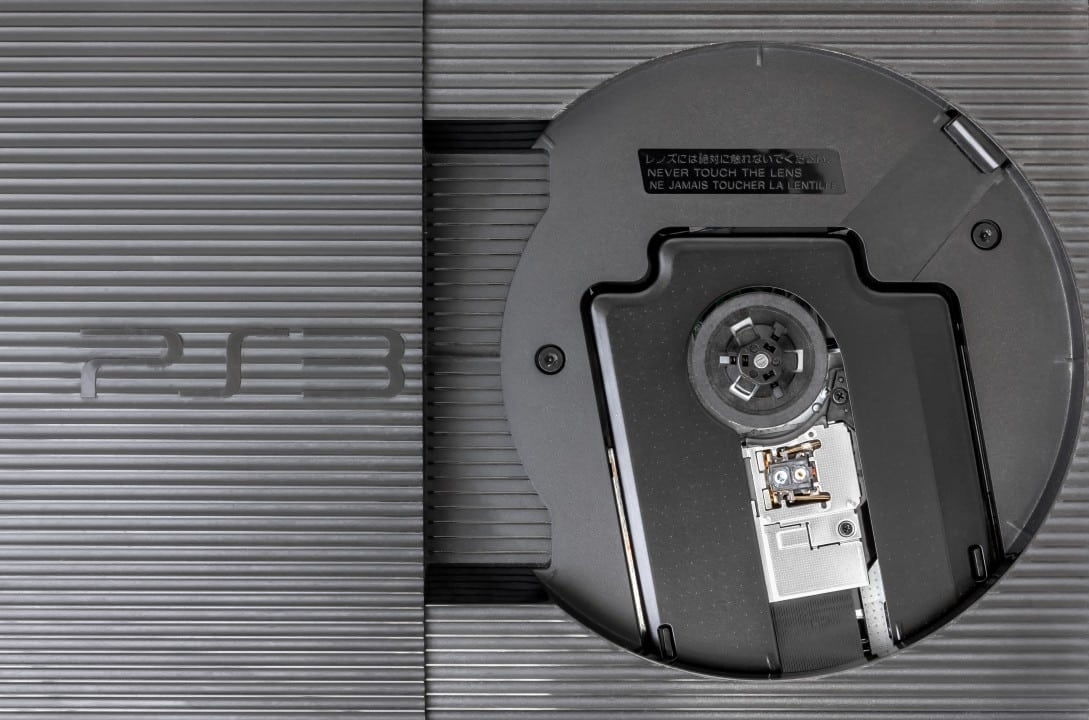
The scenario of digital preservation and software aimed at reviving classic consoles on mobile devices has just gained a boost with the arrival of ARMSX3. Developed by the same collective of programmers that was successful with the ARMSX2 system, focused on the PlayStation 2, this new project takes on the bold mission of running PlayStation 3 titles directly on smartphones. With this launch, the emulation market for Google’s operating system becomes even more heated, putting the novelty on a collision course with other promising initiatives, such as aPS3e and RPCSX-UI Android.
Understand the technical architecture driving the new open source emulator
Available completely openly through the GitHub platform, the software is still in a very early stage of development, being treated by its creators only as a proof of concept. The program’s central structure works as a direct adaptation of the renowned RPCS3, which has already dominated the execution of Sony console games on desktop computers for a few years now. This migration highlights the remarkable technical capacity of developers in translating extremely complex codes for the mobile ecosystem, breaking hardware barriers that historically made this level of processing unfeasible.

More on this story: Five paid games are free on the Play Store for a limited time
The big difference between this version and its direct competitors is the integration of recent improvements aimed specifically at the ARM architecture, work that derives directly from the efforts of the original RPCS3 team. It is worth remembering that the PlayStation 3 used the dreaded Cell Broadband Engine processor, a piece of engineering so peculiar that even today it requires a lot of powerful computers to be virtually replicated. Thanks to these native optimizations for modern cell phone chips, command translation occurs much more fluidly, creating a solid foundation for a vast library of games to run on tablets and phones in the future.
Initial performance requires high-end processors to function
During the preliminary code validation phases, the programming team focused its stress tests on the acclaimed extreme sports game Skate 3. Reports released by the creators indicate that the application was able to load three-dimensional graphics and sustain a frame rate that fluctuated between 20 and 30 per second, a considerable milestone for the platform. However, to achieve this level of performance, it was strictly necessary to use very high-performance hardware, more specifically a device equipped with Qualcomm’s powerful Snapdragon 8 Gen 2 processor.
Learn how to install and configure system files
Technology enthusiasts who want to test the new feature can now download the installation packages directly from the project’s official website. For the virtual environment to operate without errors, the user is obliged to provide the console’s original system file, which can be downloaded legally and free of charge from the official Sony portal. However, those responsible for the project issue a strong warning to those curious: as it is an embryonic experiment, the overwhelming majority of the catalog will not run at playable speed, in addition to the process causing severe heating of the battery and internal components of the cell phone.
Learn more: Flappy Bird phenomenon: creator Dong Nguyen withdrew the game at the height of its million-dollar success
The initial configuration process follows the same intuitive logic that has become standard in applications aimed at previous generations of the brand. Immediately after starting the program, the user simply needs to indicate the root storage folder, import the manufacturer’s system file and point to the directory where the digital copies of the games are stored. Once this bureaucratic step is complete, the application’s main menu takes care of automatically organizing the covers and information of recognized titles, providing visually pleasing navigation through your personal library.
Practical tests reveal the limits of technology in premium devices
Independent evaluations recently carried out on a Vivo X300 Ultra smartphone demonstrated that software stability varies drastically depending on the game selected. The gigantic computational demand required by emulation makes it clear that entry-level or mid-range cell phones will not have any chance of running this technology, restricting its use to an exclusive niche of high-end devices. Below, we detail the behavior of some specific works that were subjected to these rigorous batteries of practical tests:
- Skate 3: The title experienced extreme slowness in the initial menus, a classic symptom when compiling complex textures, which resulted in the application abruptly closing before the game even began.
- 3D Dot Game Heroes: The system managed to render the scenes and characters correctly, but the refresh rate did not exceed the 15 frames per second mark, falling behind the performance offered by competitors on the same device.
- Catherine: This work delivered the best scenario among all those evaluated, managing to sustain an average of 22 frames per second, which guaranteed a minimally acceptable experience thanks to the game’s more rhythmic and puzzle-focused rhythm.
Advanced customization options try to overcome graphical glitches
As is absolutely normal in any software that is in the alpha programming phase, severe graphical glitches occur quite frequently, manifesting themselves mainly when the device’s screen is rotated to horizontal mode. To try to compensate for this chronic instability and occasional unexpected interruptions, the tool offers a robust control customization package. Users can connect traditional physical controllers via Bluetooth connection or map virtual buttons directly to the touchscreen, adapting gameplay to their preference.
People with a higher level of technical knowledge also find space to modify the native rendering resolution, an excellent tactic for relieving the load on the smartphone’s processor. Furthermore, the application allows the injection of customized video drivers, an essential maneuver to extract maximum power from the cell phone’s graphics card. The set of these niche features makes it clear that, as the code matures over the next few months, the scenario for preserving complex games on mobile devices will reach an unprecedented level of accessibility.