

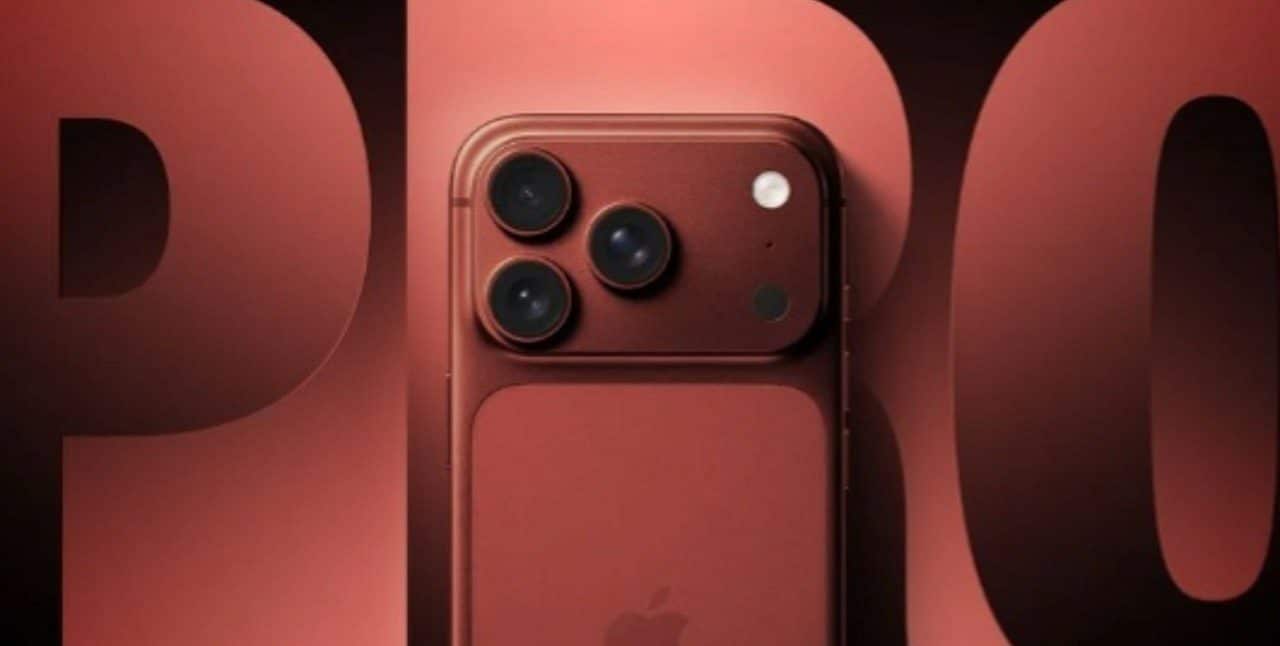
Apple is expected to present the iPhone 18 Pro in early September 2026, with the likely date set for September 9th. This annual schedule is a strategic decision by the company, based on complex manufacturing cycles, consumer purchasing behavior and the intricate logistics of global trade. Choosing this period in the fall allows partners like TSMC, responsible for silicon production, to organize the allocation of large volumes, in addition to enabling Apple to record high revenues in the fourth quarter of the fiscal year and align with Wall Street expectations.
Production of iPhone chips and the complexity of transporting goods
Scheduling semiconductor wafers with manufacturing partners such as TSMC is done multiple quarters in advance and sets up Apple hardware availability in the fall, well in advance of distribution to consumers. Producing tens of millions of iPhones for the launch period requires detailed planning and efficient allocation of resources at every stage of this complex process.
Apple Silicon uses custom designs, which means there are no off-the-shelf system-on-chip (SoC) options; each component is specifically designed for Apple. TSMC, the manufacturing partner, has limited production capacity and cannot handle sudden changes. Apple’s fixed annual cycle allows TSMC to plan long-term supply of silicon and other components for the entire iPhone ecosystem.
Additionally, Apple needs significant processing capacity, including robust shipment volume, to bring iPhones to market. The company seeks to have this process take place as close as possible to the holiday season to optimize revenue in the fourth quarter. Choosing September as the initial sales peak allows Apple to secure the majority of shipping capacity before holiday shipping actually begins.
Agreements with operators and subscription plans influence the launch date
The September launch window coincides directly with telecommunications companies’ annual update cycles and fourth-quarter earnings close metrics for Wall Street. In addition to optimizing the hardware cycle, Apple considers the annual period in which its user base is located, as cell phone contracts are a crucial factor in purchasing decisions, generally lasting annually.
More on this story: Next iPhone 18 could bring innovative cameras and foldable version, rumors indicate
With the average iPhone user’s contract expiring at the end of September, Apple is releasing a new model just as that purchasing decision arises. This point is often emphasized by operators, who seek to secure new long-term contracts, as most buyers have contracts that automatically renew in September.
Apple also offers several subscription services that boost average revenue per user over the lifespan of a new iPhone. These services, available on monthly or annual plans, often come with a one-month free trial for new users. This allows consumers to familiarize themselves with the new phone and services before the contract begins, increasing average revenue per user (ARPU). Any new iPhone will likely have one month left on the annual subscription, offering a similar break-in period before fully renewing.
On the same topic: Switch successor is revealed by Nintendo with total recreation of Zelda Ocarina of Time
Apple ecosystem integration: hardware and software in tune with iPhone
The launch of the iPhone serves as the primary mechanism for rolling out major iOS updates, introducing SDKs to developers, and introducing complementary hardware across the Apple ecosystem. The iPhone isn’t the company’s only product; other crucial items like the Apple Watch, AirPods, and to some extent the iPad depend on the smartphone.
All of Apple’s products and retail strategies are built around the same iPhone launch event in early September. Interrupting the iPhone’s pace would affect the company’s entire hardware structure.
Apple’s software update schedule for iOS also follows its own rhythm: from the presentation at the Worldwide Developers Conference (WWDC) in May, through regular updates throughout the summer, to the release of beta versions on new devices in September. iOS has a yearly cadence for both its main release and subsequent updates in October, December, and March. Moving the iPhone launch out of September would affect the entire system.
Details on the official iPhone 18 Pro launch schedule
An article detailed Apple’s schedule for the launch and arrival in stores of the iPhone 18 Pro family on August 9, 2026. The traditional launch in the second week of September undergoes a small change this year due to the Labor Day holiday, which occurs on September 7. As Apple avoids events the day after the holiday, the forecast points to September 9th as the launch date. In addition to presenting the new iPhone models, this will be the first major event for the new CEO, John Ternus, who takes over from Tim Cook on September 1st.
Learn more: IPhone 18 Pro Max leak indicates biggest battery in Apple history
Labor Day isn’t the only date Apple is looking to avoid. Mark Gurman, an expert in the sector, explains that the company may postpone the start of pre-sales. He suggests that “considering the date of September 11th falls on the 25th anniversary of the terrorist attacks, it is unlikely that Apple would choose that date.” On a previous occasion when September 11th fell on a similar date, Apple moved pre-orders to September 12th. The company is expected to take a similar approach this year.
The crucial end date is the in-store launch, when consumers receive their new iPhones. The iPhone 18 Pro and 18 Pro Max should arrive the week after pre-sales begin, probably returning to the launch rhythm, scheduled for September 18th. However, the foldable iPhone Ultra may experience delays. David Phelan, a contributor in the field, highlights contradictory information, suggesting that the iPhone Ultra may be on track for a full launch, while other models may have a limited release or be delayed until October.
Why the Fall iPhone Launch Remains Unchanged
Apple remains tied to the September release schedule because changing that schedule would destabilize TSMC’s silicon allocations, increase shipping costs ahead of the holiday season and disrupt carrier contract renewal cycles. The traditional September launch date is an operational necessity, driven by silicon manufacturing cycles, shipping capacity reservations, and fixed consumer contracts for hardware and annual subscription renewals.
Moving the September start would halt Apple Silicon manufacturing, raise the costs of shipping orders before Christmas, and weaken developer timelines, which are set each June at WWDC. Apple’s market dominance is built around September; Moving away from this tradition would destabilize the ecosystem supporting the launch and risk weakening the iPhone’s dominant position on the global stage.